




The Urban Stargazer's Challenge
For anyone living in or near a city in India, the frustration is familiar. You look up on a clear night, hoping to see the majestic sweep of the Milky Way or the bright beacon of a planet, only to be met with a hazy, orange-tinged sky. This phenomenon,
known as light pollution, is caused by the combined glow of streetlights, buildings, and vehicles, which scatters in the atmosphere and washes out all but the brightest celestial objects. It can make traditional stargazing feel like an impossible hobby, leaving you thinking that you need to travel to a remote, dark-sky location. While that’s true for seeing faint nebulae, the brightest planets in our solar system—like Jupiter, Saturn, Mars, and Venus—are often bright enough to punch through the urban glare. The real challenge isn't that they are invisible, but that they are hard to distinguish from airplanes or the brightest stars without a guide.
How Astronomy Apps Cut Through the Noise
This is where your smartphone becomes an urban astronomer's best friend. Modern stargazing apps use a combination of your phone's GPS, compass, and gyroscope to know exactly where you are and which direction you're pointing it. They then create a real-time map of the sky, overlaying it on your screen. This technology, often called augmented reality (AR), essentially gives you celestial superpowers. When you point your phone at a bright object in the sky, the app can instantly identify it. Is that brilliant dot Venus or just a high-altitude airplane? The app knows. Some apps also have features specifically designed for urban users, like settings that adjust the number of stars shown on the screen to match what you can realistically see from a light-polluted area. By filtering out the objects you have no hope of seeing, they declutter the view and focus your attention on achievable targets, like planets.
Top Apps for City Planet Hunters
While many apps are available, a few stand out for their user-friendliness and powerful features, making them ideal for beginners in the city. Stellarium Mobile: Available as a free and paid version, Stellarium is a favorite among astronomers for its realistic sky simulation. Point your phone at the sky, and it identifies everything in real-time. You can use its search function to find a specific planet, and an arrow will guide you to its location. The app can also simulate the view for any time and place, helping you plan when a planet will be most visible. SkyView Lite: This is another excellent free app that uses augmented reality to help you navigate the cosmos. One of its best features for beginners is its simplicity; just point and identify. You can also set reminders for celestial events, like when the International Space Station (ISS) will be flying over your location. It works offline, which is a bonus if you find a stargazing spot with poor connectivity. Star Walk 2: Known for its beautiful graphics and beginner-friendly interface, Star Walk 2 is great for getting started. The free version is highly capable, showing you planets, constellations, and satellites. Its 'Time Machine' feature lets you see what the sky looked like in the past or will look like in the future, which is both fun and educational.
Your First Urban Planet Hunt
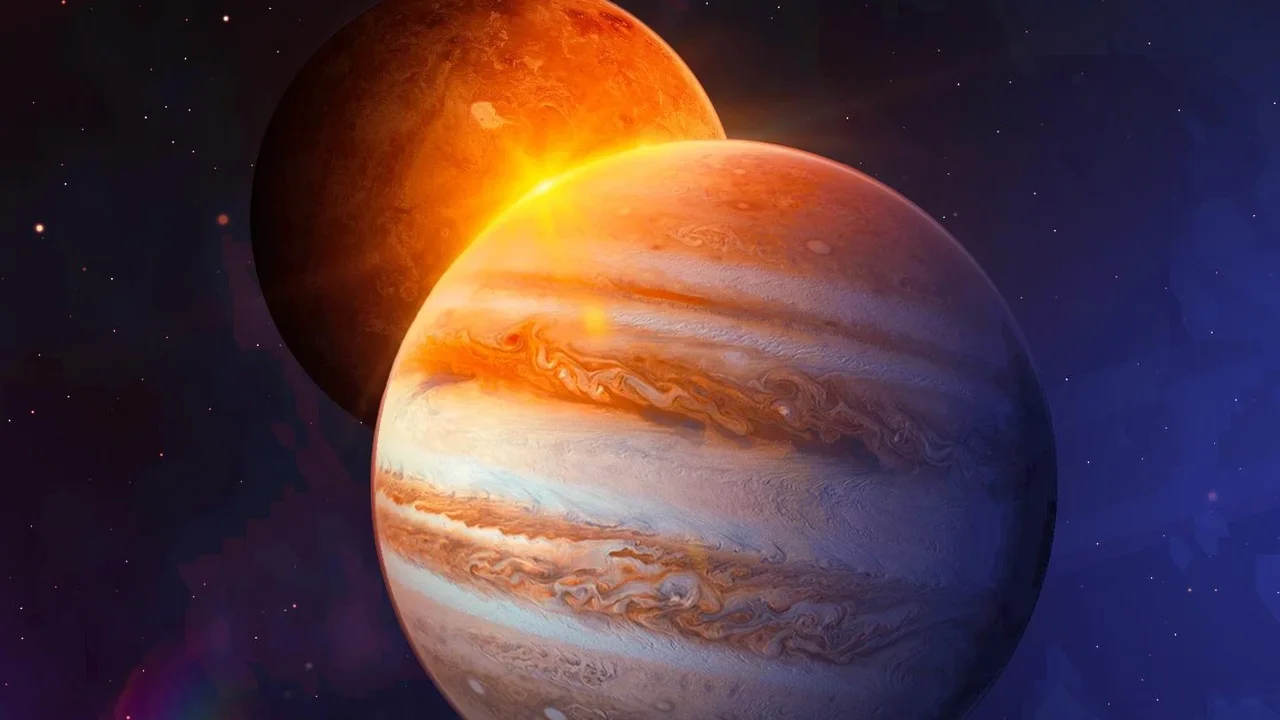
Ready to try it out? First, check your chosen app's sky calendar to see which planets are visible tonight. Planets like Jupiter and Venus are often incredibly bright and easy to spot once you know where to look. Find the safest spot you can with the clearest view of the sky—a balcony, a rooftop, or a local park away from the most intense streetlights. Give your eyes about 15-20 minutes to adjust to the darkness; this will make a huge difference. Then, launch your app. Use the search feature to locate your target planet, for instance, Jupiter. The app will show you exactly where it is. Now, lower your phone and look in that same direction with your own eyes. You should see a bright, steady point of light that doesn't twinkle as much as a star. Congratulations, you’ve just spotted a planet from the middle of the city.
Beyond the App: More Urban Tips
While an app is your primary tool, a few other tricks can enhance the experience. Even a basic pair of binoculars can dramatically improve your view. With binoculars, you might be able to see the four largest moons of Jupiter, which appear as tiny pinpricks of light flanking the planet. Also, timing is everything. Use your app's 'time travel' feature to see when your target planet will be highest in the sky. Objects are clearer when they are higher up because you are looking through less of Earth's turbulent atmosphere. Finally, patience is key. Some nights will be clearer than others. Don't be discouraged by haze or clouds. The planets aren't going anywhere, and with your new digital guide, you'll be ready to find them whenever the opportunity arises.