





The Two Faces of Fibre
First, let's get to know our hero. Fibre is a type of carbohydrate that your body can't digest. It passes through your system relatively intact, but it’s far from useless. There are two main types, and both play a role in satiety. Soluble fibre dissolves
in water to form a gel-like substance. Think of what happens when you add water to oatmeal. Insoluble fibre, on the other hand, does not dissolve in water. It acts like a scrub brush for your digestive system, adding bulk to stool. Many foods contain both types, which work together to keep you full and your digestive system healthy.
It Physically Fills You Up
One of the simplest ways fibre keeps you full is by taking up space. High-fibre foods require more chewing, which slows down your eating and gives your brain time to register that you're full. Once in your stomach, both soluble and insoluble fibres add bulk to your meal. Soluble fibre, in particular, absorbs water and expands, literally increasing the volume of food in your stomach and creating a physical sensation of fullness. This gastric distention sends signals to your brain that you've had enough to eat, helping you feel satisfied with smaller portions.
Slowing Things Down for Lasting Energy
Have you ever felt a sudden crash in energy after a carb-heavy meal? That's often due to a rapid spike and subsequent fall in blood sugar. Fibre is your defence against this. The gel formed by soluble fibre significantly slows down the emptying of your stomach. This means that the sugars and other nutrients from your meal are released into your bloodstream much more gradually. This process not only keeps you feeling full for a longer period but also helps prevent those sharp blood sugar spikes, leading to more stable energy levels and reduced cravings long after you've finished your meal.
A Conversation With Your Hormones
The magic of fibre extends beyond just the physical. As fibre travels to your intestines, it influences the release of powerful gut hormones that regulate appetite. When your gut bacteria ferment fibre, they produce compounds that stimulate the release of hormones like peptide YY (PYY) and glucagon-like peptide-1 (GLP-1). These hormones travel to your brain and act as powerful satiety signals, effectively telling your brain that you are full and don't need to eat anymore. So, by eating fibre, you're not just filling your stomach; you're actively sending messages to your brain to turn off hunger signals.
Your Indian Fibre-Rich Food Guide
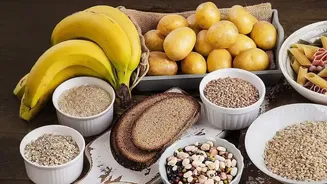
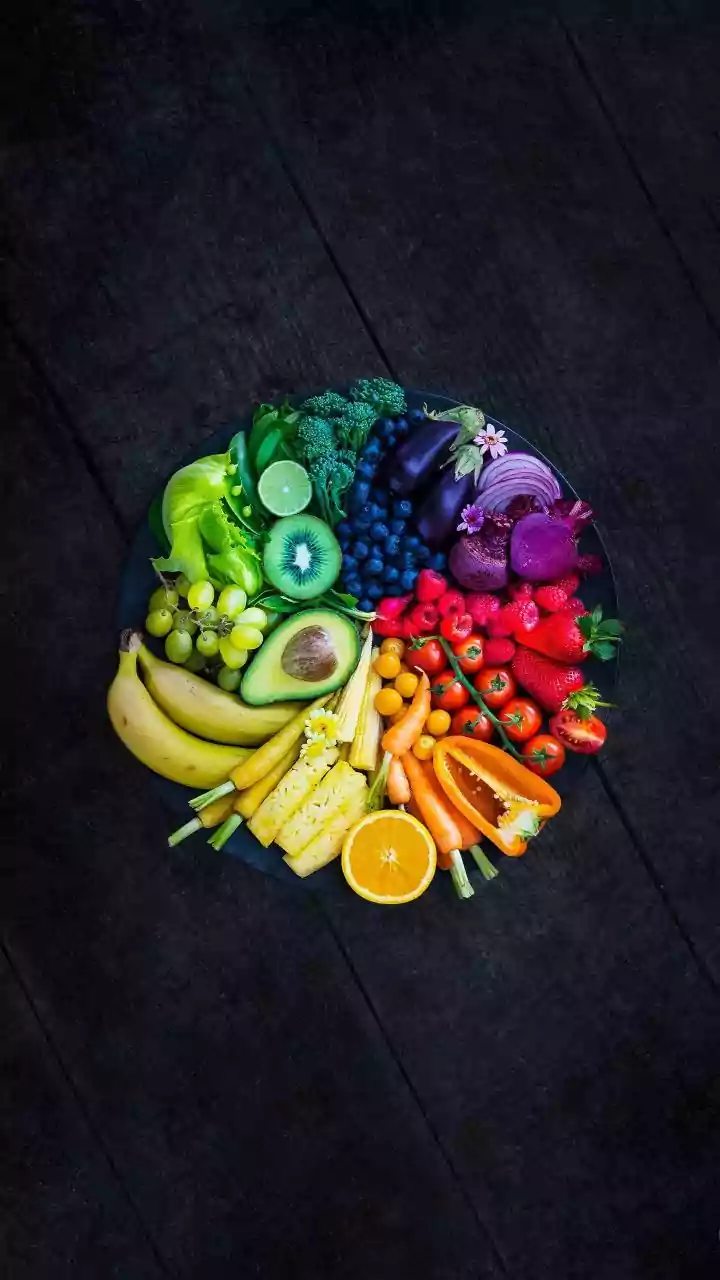
Putting this knowledge into practice is easy, especially with the abundance of fibre-rich foods in the Indian diet. Incorporating more of these can make a significant difference. Start by swapping refined grains for whole ones like whole wheat atta for rotis, brown rice, and millets like jowar, bajra, and ragi. Lentils and pulses, the heart of many Indian meals, are fibre powerhouses—think of dal, chana, and rajma. For fruits, guavas are exceptionally high in fibre, along with apples and bananas. And don't forget your vegetables; leafy greens, carrots, beans, and okra (bhindi) are all excellent choices.