



Why Dhania Is Your Best Friend
In the world of urban gardening, some plants are high-maintenance divas. Coriander, or dhania as we lovingly call it, is not one of them. It's the opposite: a reliable, low-effort companion that delivers big rewards. Its biggest advantage is speed. You
can go from seed to garnish in as little as four to six weeks. Unlike fruiting plants that require months of patience, coriander offers near-instant gratification. It also doesn’t demand a sprawling garden bed. A simple pot on a windowsill or a small container on your balcony is all it needs to thrive, making it the ideal herb for apartment dwellers. Given how essential it is in almost every Indian kitchen, having a fresh, perennial supply is a true game-changer.
The Right Home: Pots and Soil
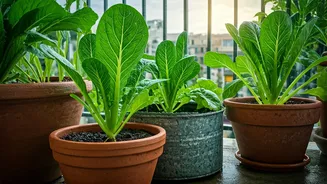
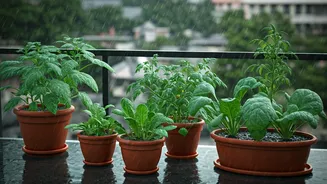
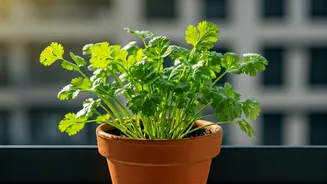
Success starts with the right foundation. For coriander, choose a pot that is at least 6-8 inches deep and wide. This depth gives the roots room to grow, while the width allows you to sow enough seeds for a lush harvest. A terracotta pot is an excellent choice as it's porous and allows the soil to breathe, but a basic plastic pot will also work perfectly. The most critical feature is drainage. Ensure your pot has at least one hole at the bottom to prevent waterlogging, which is a common cause of root rot. For the soil, a simple, well-draining mix is best. You can buy a standard potting mix or create your own by combining equal parts garden soil, cocopeat (for moisture retention), and compost or vermicompost (for nutrients).
The Seed-Splitting Secret
Here's a tip that separates novice gardeners from seasoned pros. The small, round balls you buy as coriander seeds are actually fruits, each containing two seeds. If you plant them whole, they will germinate, but the process will be slow and erratic. To guarantee a quick and dense sprout, you need to split them. Simply place the seeds on a flat surface, cover them with a paper towel, and gently roll a rolling pin or a glass bottle over them. You're not trying to crush them into powder, just apply enough pressure to split the husks in half. This simple step dramatically increases your germination rate and is the key to achieving that 'quick win' promise. You can also soak the split seeds in water for a few hours overnight before planting to speed things up even further.
Sowing, Sun, and Water
Now for the fun part. Fill your prepared pot with the soil mix, leaving about an inch from the rim. Lightly water the soil so it's moist but not soggy. Sprinkle your split seeds evenly across the surface. Don't worry about perfect spacing; a dense sowing leads to a lush patch of green. Cover the seeds with a thin layer of soil, about a quarter-inch deep. Place the pot where it will get at least 4-5 hours of sunlight. In the Indian climate, gentle morning sun is ideal. The harsh afternoon sun can cause the plant to 'bolt'—flower prematurely—which makes the leaves bitter. Water your pot gently every day, ensuring the soil stays consistently moist. A small watering can or a spray bottle works best to avoid dislodging the seeds.
The Art of the Harvest
In about four to six weeks, you'll have a pot full of fragrant coriander leaves ready for your kitchen. How you harvest makes a huge difference. Don't pull the entire plant out from the root! This is a one-time harvest. For a continuous supply, use the 'cut and come again' method. Use a pair of scissors to snip the outer, larger leaves at the base of the plant. Always leave the small, inner leaves intact. These will continue to grow, providing you with a fresh harvest every few days. This technique encourages the plant to become bushier and more productive. By harvesting this way, a single pot of coriander can keep you supplied with fresh garnish for weeks on end.
Troubleshooting Bolting
The most common problem you'll face, especially in warmer months, is bolting. This is when the plant, stressed by heat, decides to flower and produce seeds instead of growing more leaves. The leaves become sparse and develop a stronger, less pleasant flavour. To delay bolting, keep the plant well-watered and try to provide it with some shade from the intense afternoon sun. You can also sow seeds in succession every two weeks to ensure you always have a fresh batch of young plants ready for harvesting. If your plant does bolt, it's not a total loss. You can let it go to seed and harvest your own fresh coriander seeds for the next planting cycle.