


The Monsoon Challenge for Balcony Gardens
For urban dwellers in India, a balcony garden is a cherished escape. It’s a patch of green amidst the concrete, a source of fresh herbs, and a personal retreat. But the same monsoon rains that bring relief from the summer heat pose a significant threat
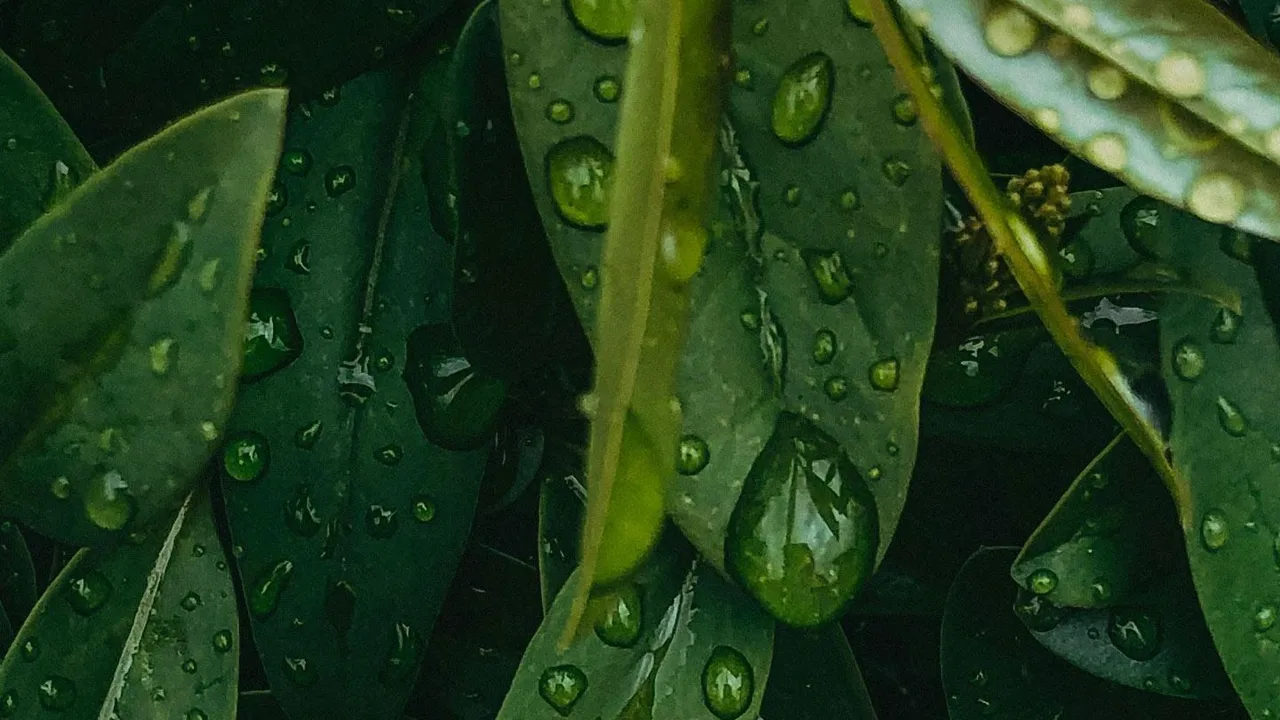
to these container gardens. Unlike gardens on the ground, balcony plants are uniquely vulnerable. Heavy downpours can physically batter delicate leaves and stems, but the primary danger is waterlogging. When pots are saturated with excessive rain, drainage holes can't keep up. This leads to a lack of oxygen in the soil, suffocating the plant's roots and creating the perfect environment for root rot, a condition that is often fatal. Furthermore, the constant wetness and high humidity encourage fungal diseases and attract pests like slugs and snails. Intense rain can also wash away essential nutrients from the soil, leaving plants weak and struggling.
Understanding Vertical Waterproofing Shields
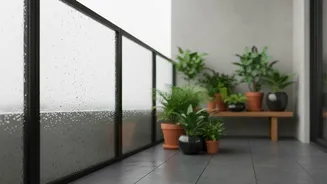
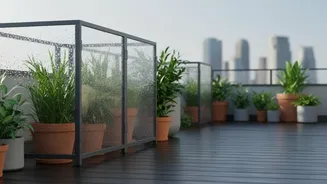
When people hear “waterproofing,” they often think of basement walls or rooftop terraces. However, the principles of vertical waterproofing can be adapted to create protective shields for your balcony railings. In this context, it doesn't mean sealing the entire balcony structure, but rather installing a vertical barrier that deflects the direct, driving force of monsoon rains. These shields act as a buffer, preventing the full volume of water from deluging your pots. Think of them as a raincoat for your railing. Options range from clear PVC blinds, which offer protection without sacrificing the view, to more solid panels that provide a sturdier defence against both wind and rain. The goal is not to create a completely enclosed space but to strategically shield the most exposed areas of your garden from the worst of the weather.
How These Shields Work
The function of a vertical shield is simple yet highly effective. Its primary job is to intercept rainwater before it hits your plants with force. By deflecting the direct onslaught, it prevents soil erosion within the pots and reduces the physical damage to leaves and flowers. Secondly, it controls the amount of water entering the pots. While your plants still benefit from natural rainwater, the shield prevents the rapid oversaturation that leads to waterlogging. This is crucial during multi-day rain events where soil has no chance to dry out. Good systems, like outdoor roller blinds or panels, can be adjusted. You can deploy them during a heavy downpour and then retract them to allow for better air circulation and sunlight when the weather clears, which is vital for preventing fungal growth.
Choosing Materials and Installation
There are several materials well-suited for creating these protective shields, catering to different budgets and aesthetic preferences. Transparent PVC or vinyl sheets, often sold as outdoor blinds, are a popular choice in urban India. They are effective, relatively inexpensive, and allow you to continue enjoying your view. For a more robust solution, you might consider corrugated polycarbonate panels or acrylic sheets. These are lightweight yet strong and can be fastened to the balcony railing. Bamboo blinds or 'chiks' with a weatherproof coating offer an eco-friendly and aesthetically pleasing option, though they may offer less protection during very heavy storms. Installation can be a DIY project for those comfortable with basic tools. Many outdoor blinds come as a kit that can be screwed into the ceiling or wall of the balcony. For more permanent structures like glass or polycarbonate panels, professional installation is recommended to ensure they are secure and can withstand strong winds.
Beyond Just Rain Protection
While the primary purpose is to shield plants from extreme rain, these vertical barriers offer several other benefits. They can act as a windbreak, protecting taller plants from being snapped or uprooted during gusty monsoon storms. Depending on the material, they can also provide a degree of shade, which can be beneficial for more delicate plants that might otherwise suffer from intense afternoon sun, even during the rainy season. This partial shade can help moderate the temperature on the balcony. Finally, a physical barrier can help deter certain pests, including birds that may be tempted to nibble on your plants. By creating a more controlled microclimate, these shields help you maintain a healthier and more resilient garden ecosystem throughout the year.