





What Exactly Are Munition Codes?
At its core, the US military runs on logistics, and a key part of that system is the Department of Defense Ammunition Code, or DODAC. This alphanumeric identifier is assigned to every type of ammunition, from small arms bullets to sophisticated guided
missiles. Think of it as a universal product code for weaponry. The DODAC system allows for precise tracking, inventory management, procurement, and deployment of munitions across all branches of the armed forces. Each code specifies not just the item itself but often its packaging and interchangeability, ensuring that a unit in the field receives the exact type of ordnance it needs. Without this classification system, managing a global military supply chain would be nearly impossible, especially during a high-intensity conflict.
Recoding Expired Missiles for the Front Line
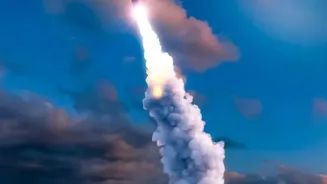
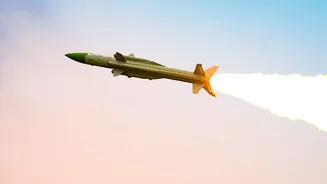
The recent controversy stems from a disclosure by Acting Navy Secretary Hung Cao, who confirmed that the US Navy has been 'recoding' munitions that were previously classified as expired or unserviceable. Specifically, munitions marked with condition codes 'Echo' or 'Foxtrot'—designations for items that are unserviceable but potentially repairable—have been re-evaluated, certified, and sent into combat. Cao compared the process to making stale bread edible again, a striking analogy for stretching vital military resources. This practice was implemented for weapons used in 'Operation Epic Fury', a key phase of the Iran war, highlighting the immense demand for precision weapons like Tomahawk cruise missiles. The decision to recode suggests that existing stockpiles are under significant strain.
A Supply Chain Under Immense Pressure
The need to reuse older munitions is a clear symptom of a logistics network stretched to its limits. High-intensity warfare consumes resources at a staggering rate, and the conflict in Iran has exposed potential bottlenecks in the US defense industrial base. A Pentagon Inspector General report recently highlighted 'strategic inventory shortfalls' resulting from the high expenditure of munitions in the war. Modern conflicts are often defined by the ability to sustain the flow of supplies over vast distances into a 'contested logistics' environment, where enemy actions actively disrupt supply lines. The US has not faced a logistical challenge of this scale in decades, forcing planners to find creative, and sometimes controversial, solutions to keep frontline forces supplied.
Ramping Up Production Isn't an Instant Fix
While the immediate solution has been to recode existing assets, the long-term answer is to increase production. According to Secretary Cao, the manufacturing of critical Tomahawk missiles has already surged from roughly 125 per year to over 60 per month. However, scaling up the defense industrial base is a slow and complex process. It involves not just assembling the final product but revitalizing an entire ecosystem of subcontractors and raw material suppliers. The Center for Strategic and International Studies estimated that replacing the Tomahawks used in the initial weeks of the conflict could take years. This lag between demand and supply is a critical vulnerability that the recoding initiative is attempting to bridge, ensuring warfighters have the tools they need now, not years from now.
The Broader Strategic Implications
This revision of munition codes is more than a logistical footnote; it's a reflection of modern warfare's realities. It underscores the immense challenge of sustaining a major conventional war against a near-peer adversary, a scenario drastically different from the counterinsurgency operations of recent decades. The decision reveals both American ingenuity under pressure and potential vulnerabilities in its preparedness for prolonged, high-tech conflicts. For allies and adversaries alike, this development is a key indicator of US military readiness and industrial capacity. It signals that even for the world's most powerful military, the material costs of war are profound, forcing a constant, dynamic adaptation on and off the battlefield.