







Why This 'Hack' is Trending Now
Let’s be honest: meal planning isn’t new. Our parents and grandparents were masters of it. But in the face of steadily rising inflation and unpredictable grocery bills, it has re-emerged as a modern 'hack' for urban households. The feeling of walking
into a supermarket for just a few things and walking out with a bill that far exceeds your budget has become all too common. This financial pressure is driving a return to basics, where planning what you eat is the first line of defence against overspending. It transforms your weekly grocery run from a reactive, expensive chore into a proactive, budget-friendly exercise in control.
The Triple-Saving Benefit
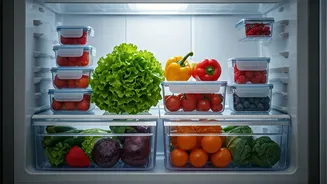
The primary appeal of meal planning is saving money, but its benefits are threefold. First, you save money directly by eliminating impulse buys and duplicate purchases. A plan and a list keep you focused. Second, you save by drastically reducing food waste. When every ingredient has a purpose for a specific meal, you're less likely to find wilted greens or expired dairy lurking in the back of your fridge. In India, where a significant amount of household food is wasted, this is a huge win. Third, you save time and mental energy. The daily 'What's for dinner?' dilemma vanishes, freeing up valuable headspace and reducing weeknight stress.
Step 1: Audit Your Kitchen
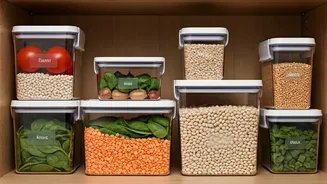
Before you even think about recipes, start with what you already have. Do a thorough inventory of your pantry, fridge, and freezer. What spices are you full on? How much dal, rice, or atta is left? You’ll likely find ingredients you forgot you had. Plan your first week of meals around these existing items. This 'eat-down' challenge not only clears out clutter but also ensures your first planned grocery shop is significantly smaller and cheaper, providing an immediate and motivating financial win.
Step 2: Create a Realistic Plan
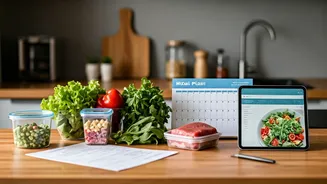
Don’t aim for a gourmet seven-day menu on your first try. Start small. Plan for three to four dinners for the upcoming week. For an Indian kitchen, this means deciding on the main dishes—like a dal, a specific sabzi, or a chicken curry—and building from there. Remember to be realistic about your schedule. If you know Tuesday nights are hectic, plan for a quick-fix meal like a simple khichdi or a pre-prepped dish. The best plan is one you can actually stick to.
Step 3: Build Your Master Grocery List
Once your meals are planned, translate them into a detailed grocery list. Go through each recipe and write down every single ingredient you don't have. This is crucial. A vague list like 'vegetables' invites impulse buys. A specific list like '250g bhindi, 1kg potatoes, 2 onions' keeps you laser-focused. Organise your list by supermarket aisle (produce, dairy, dry goods) to make your shopping trip faster and more efficient, further reducing the temptation to wander and browse.
Step 4: Embrace Light Prep
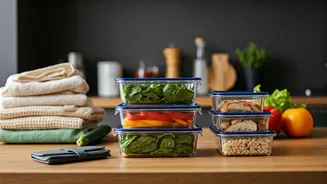
You don't have to spend your entire Sunday cooking for the week (unless you want to). But a little prep goes a long way. This 'light prep' can be as simple as chopping onions, garlic, and ginger and storing them in the fridge. You can wash and chop vegetables for your sabzis, boil chickpeas, or make the base masala for a few curries. Spending 60-90 minutes on this over the weekend means a weeknight meal can come together in under 20 minutes, making you far less likely to give up and order in—another massive money-saver.