


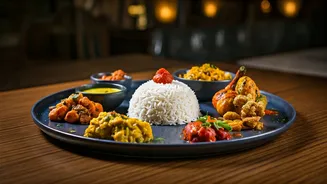



The Philosophy: Minimal Spice, Maximum Flavour
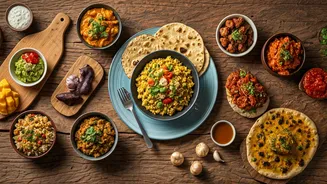
Unlike many other Indian cuisines known for complex spice blends, Assamese cooking is defined by its restraint. Most dishes are built on a foundation of ginger, garlic, turmeric, and green chillies, allowing the natural taste of the core ingredients to
shine. The focus is on freshness, with a heavy reliance on seasonal vegetables, river fish, and local herbs. This approach, influenced by centuries of agrarian tradition and Southeast Asian cooking techniques like fermentation and steaming, results in food that is light, aromatic, and deeply connected to the land.
Khaar: The Unconventional Star
A traditional Assamese meal often begins with Khaar, a unique class of dish named after its main ingredient. This alkaline liquid is prepared by filtering water through the ashes of sun-dried banana peels. While it may sound unusual, the resulting ingredient has a distinct, smoky flavour and is believed to cleanse the palate. It is used to prepare dishes with raw papaya, lentils, or fish, creating a flavour profile that has no equivalent elsewhere in India. So integral is Khaar to the culture that the phrase 'Khar Khuwa Axomiya' (Khaar-eating Assamese) is used to describe the people of the state.
Masor Tenga: A Tangy Affair
If there is one dish that represents the soul of Assamese cuisine, it is Masor Tenga. Meaning 'sour fish', this light, tangy curry is a household staple, especially during warmer months. The sourness comes from ingredients like tomatoes, elephant apple (Ou Tenga), or lemon, creating a refreshing, almost soup-like broth. Made with fresh river fish like Rohu or Katla, it is minimally spiced, allowing the flavour of the fish to be the hero. It’s often enjoyed at the end of a meal to aid digestion.
Duck with Ash Gourd: A Festive Delicacy
Known locally as 'Haah Kumurat Diya', duck meat curry with ash gourd is a celebrated dish reserved for special occasions and festivals like Bihu. Duck meat holds a special place in Assamese culinary tradition. The rich flavour of the meat is perfectly balanced by the subtle sweetness of ash gourd, particularly a fragrant local variety called 'joha kumura'. The curry is prepared with whole spices, with black pepper playing a key role, resulting in a robust and aromatic dish that is a true festive treat.
Aloo Pitika: The Ultimate Comfort Food
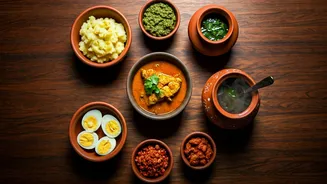
Simplicity at its finest, Aloo Pitika is the Assamese version of mashed potatoes and a beloved comfort food. Boiled or roasted potatoes are mashed with raw chopped onions, green chillies, fresh coriander, and a drizzle of pungent mustard oil. While the basic version is a staple, it is often elevated with additions like boiled eggs, mashed pumpkin, or even dried fish, making it a versatile and satisfying side dish that accompanies almost every meal.
Pitha: More Than Just a Sweet
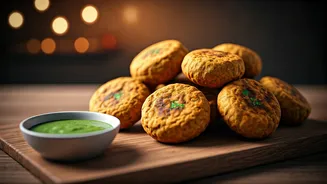
No Assamese festival, especially Bihu, is complete without Pitha. These are a class of rice cakes that can be sweet or savoury, and come in numerous varieties. They are typically made from glutinous rice flour ('bora saul'). Popular versions include Til Pitha (thin, rolled pancakes filled with sesame seeds and jaggery) and Narikol Pitha (half-moon shaped cakes stuffed with a sweet coconut mixture). Pithas can be steamed, fried, or roasted, showcasing the versatility of rice in the region's culinary arts.