



The Allure of Light and Illusion
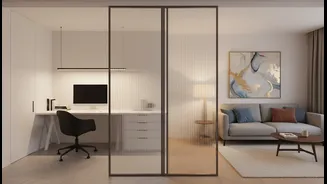
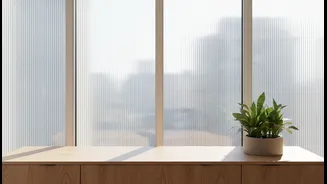
Fluted glass, also known as reeded or ribbed glass, is characterized by its vertical grooves. These channels do something magical in a small space: they diffuse light, scattering it softly throughout a room to reduce glare and create a bright, airy ambiance.
Unlike a solid wall or a heavy door, a fluted glass partition can separate a living area from a home office or a kitchen from a dining nook without blocking precious natural light. This creates a sense of division and privacy while maintaining an open, connected feel. The vertical lines also create a clever optical illusion, drawing the eye upward and making ceilings feel higher, a classic trick to make compact rooms seem larger than they are. Its semi-transparent nature means you get privacy—obscuring details and clutter—without plunging adjacent spaces into darkness, a perfect solution for modern studio apartments.
A Timeless Texture, Not a Fleeting Trend
Before you dismiss it as the latest fad, it's worth noting that fluted glass has a rich design history. It was a hallmark of the Art Deco and Mid-Century Modern movements, periods celebrated for their commitment to materials that were both beautiful and functional. Its enduring presence in design over the last century suggests it has timeless appeal. Unlike fast-fashion interior trends that demand a complete overhaul every few years, the classic texture of fluted glass integrates well with various styles, from minimalist and industrial to traditional. This versatility means it is less likely to feel dated, reducing the impulse to rip it out and replace it. Choosing materials with a proven track record is a key step in creating a home that evolves with you, rather than against you.
Tackling Trend-Led Renovation Waste
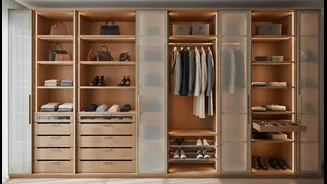
The cycle of trend-driven renovations is a significant source of waste. Every time we chase a new aesthetic, old materials like drywall, laminates, and fixtures often end up in landfills. Opting for durable, long-lasting materials is a core principle of sustainable design. Glass, as a material, is highly durable and recyclable. Fluted glass, when used as an architectural element like a partition, door, or cabinet inlay, is an investment in permanence. It's more robust and less likely to show minor scratches than some alternatives. By choosing a material that you won't want to discard in a few years, you are actively reducing future renovation waste. This aligns with a more mindful approach to home design, where quality and longevity are valued over temporary fads. This philosophy encourages us to see our homes not as disposable sets but as lasting spaces.
Practicality and Cost in the Indian Context
So, is it practical for the average Indian apartment? Fluted glass is surprisingly low-maintenance; the vertical grooves can be easier to wipe down than large, flat panes that show every streak. In terms of cost, it is a premium material, but its price in India can vary widely. Basic clear fluted glass can start from around ₹150-250 per square foot, while frosted, coloured, or laminated versions can be significantly more expensive. While the initial outlay may be higher than for a plywood partition, its durability and timeless appeal can offer better long-term value. Emerging production in markets like India is also making it more accessible. When planning, it's crucial to balance the aesthetic and functional benefits with your budget, considering it a long-term upgrade rather than a simple decorative touch.