







From Filter Kaapi to Artisanal Roasts
For decades, coffee in India was largely a tale of two extremes: the traditional filter coffee beloved in the South and the instant coffee that filled pantries nationwide. The idea of a café was functional, epitomized by the old Indian Coffee House, a place
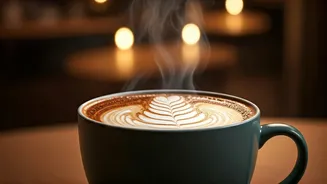
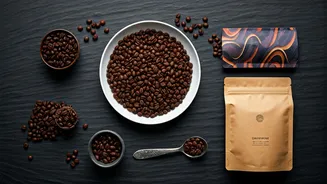
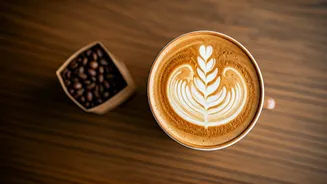
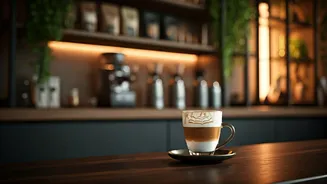
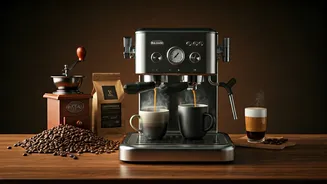
for affordable snacks and intellectual debates. The turning point began in the late 1990s with chains like Café Coffee Day, which introduced a generation to the café as a hangout spot. Today, the market has matured into its “third wave,” a movement focused on coffee quality, origin, and the craft of brewing. Brands like Blue Tokai and Third Wave Coffee Roasters are leading this charge, educating consumers about single-origin beans and artisanal brewing methods like pour-overs and AeroPress. This shift caters to a growing base of consumers, particularly millennials and Gen Z, who are willing to pay a premium for a superior product and a unique experience.
The Rise of the 'Third Place'
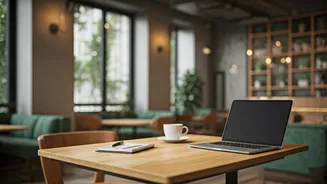
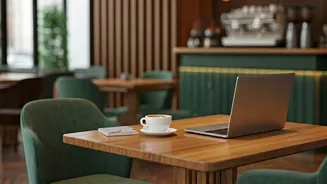
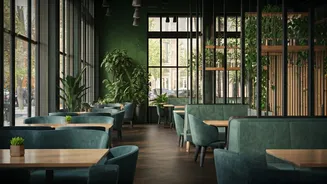
The modern Indian café is no longer just a place to grab a beverage; it has become a vital 'third place'—a concept coined by sociologist Ray Oldenburg to describe a social environment separate from the two primary ones of home and the office. In a post-pandemic world with hybrid work models, cafés have seamlessly filled the gap, transforming into vibrant co-working hubs for freelancers, students, and remote employees. Recognizing this, new-age cafés are designed with this function in mind, offering high-speed Wi-Fi, ample charging points, and even sound-proof pods for meetings. This evolution is a strategic business decision. By providing a comfortable and functional space, cafés encourage longer stays and repeat visits, building a loyal community that feels a sense of belonging.
A Menu Beyond the Beans
While specialty coffee might be the main draw, the economic model of the modern café relies on a much wider array of offerings. The menu has expanded significantly to include elaborate food selections, gourmet pastries, and healthy, plant-based options. This diversification is crucial for increasing the average spend per customer and catering to a wider range of occasions, from a quick breakfast to a leisurely dinner. Visits are no longer just for a caffeine fix but are increasingly occasion-led, including work meetings, social celebrations, or simply a desire to unwind. By becoming all-day destinations, cafés maximize their real estate and create multiple revenue streams beyond the espresso machine.
The Economics and Demographics Driving the Boom
The rapid evolution of India's café culture is underpinned by strong economic and demographic trends. A rising middle class with increased disposable income, rapid urbanization, and a young population with global exposure are key drivers. This younger demographic, in particular, prioritizes experiences over possessions and is heavily influenced by global trends seen on social media. The market is forecast to grow significantly, with some reports projecting the out-of-home coffee market to reach $3.2 billion by 2028. This growth has attracted a wave of international brands like Tim Hortons and Starbucks Reserve, intensifying competition for both established domestic players and independent cafés. The expansion is not just limited to metros; chains are now aggressively entering Tier-II and Tier-III cities, tapping into a growing desire for urban lifestyle experiences across the country.
Challenges and the Road Ahead
Despite the booming market, the path forward is not without challenges. High real estate costs, intense competition, and rising operational expenses put a constant pressure on profitability. The very success of the café model has led to market saturation in some urban pockets, making it harder for new entrants to stand out. To succeed, brands must continuously innovate, focusing on creating a unique brand identity, ensuring operational excellence, and fostering genuine community engagement. The future of the Indian café will likely involve even greater personalization, technological integration for efficiency, and a continued focus on sustainability and authentic experiences. The café is no longer just selling coffee; it is selling a lifestyle.