



Prepare Your Pots for Success
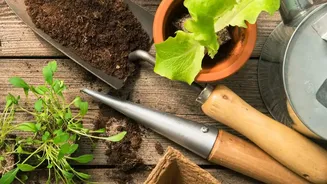
Before you start sowing seeds, getting your containers ready is the most crucial step. After the monsoon, soil is often compacted and waterlogged. First, ensure every pot has clear drainage holes to prevent water from stagnating, a common problem that
leads to root rot. Loosen the old soil or, ideally, replace it with a fresh, well-draining potting mix. A good combination is garden soil, compost, and a bit of sand or cocopeat. This blend provides essential nutrients while allowing excess water to escape, creating a healthy environment for new plants to thrive during the cooler, drier months ahead.
The Best Vegetables for Your Post-Monsoon Garden
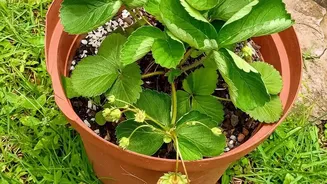
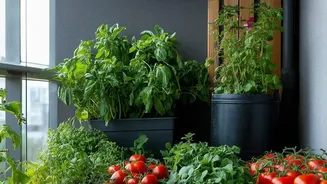
The period from October to February is fantastic for growing a variety of vegetables in containers. Leafy greens are an excellent choice. Spinach (Palak) grows quickly in wide, shallow pots and loves the cooler weather. Fenugreek (Methi) and Coriander (Dhania) are also easy to grow and can be harvested within weeks. For root vegetables, choose deeper pots. Radishes (Mooli) are fast-growing and great for beginners. Carrots (Gajar) and Beetroots also do well, but require containers at least 12 inches deep to allow their roots to develop properly. Even tomatoes can be grown successfully, with one plant per 12-inch pot being a good rule of thumb. Balconies that receive 5-6 hours of sunlight are ideal for these crops.
Colourful Flowers to Brighten Your Space
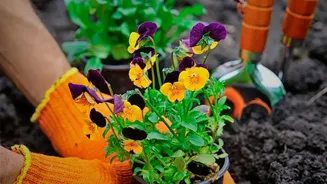
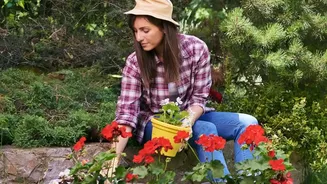
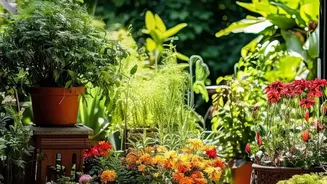
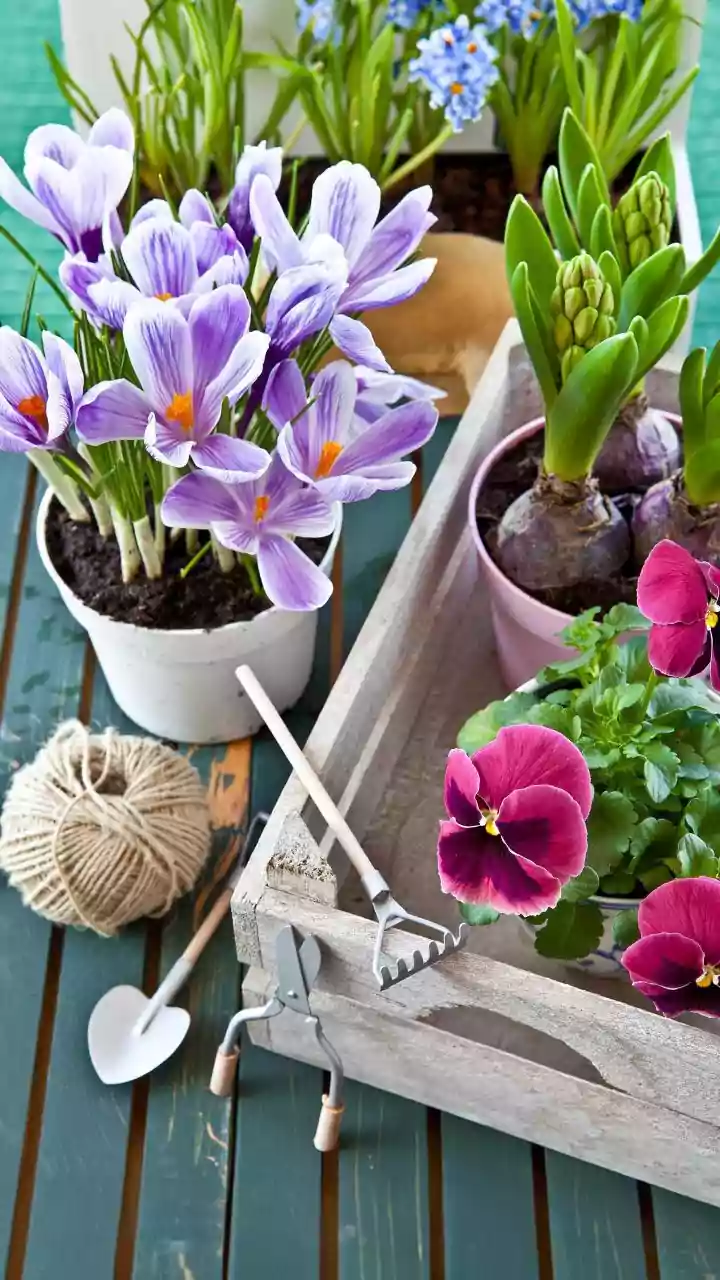
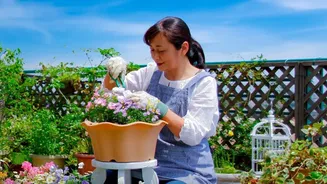
Winter is the best season for flowering annuals in India, and many are perfect for pots. Marigolds (Genda) are a classic choice, known for their resilience and vibrant orange and yellow blooms. Petunias are another favourite, producing a cascade of trumpet-shaped flowers that look wonderful in hanging baskets and window boxes. For a touch of elegance, consider Chrysanthemums (Guldaudi), which offer large, long-lasting blooms in various colours. Dianthus, with its frilled petals and sweet, clove-like scent, is another excellent option that thrives in full sun. Other easy-to-grow choices that will add a splash of colour to your balcony include Pansy, Calendula, and Alyssum.
Flavourful Herbs for Your Kitchen
A small herb garden on your windowsill can provide fresh flavours for your cooking all winter. Mint (Pudina) is incredibly easy to grow and adapts well to containers, though it can spread quickly. Coriander (Dhania) thrives in the cooler post-monsoon weather and can be sown directly into pots. Other herbs that do well in the Indian winter include Rosemary, which loves sunlight and well-drained soil, and Dill. Even Basil (Tulsi), a staple in many Indian homes, will grow well with plenty of sunlight and protection from cold drafts. Growing your own herbs is not only convenient but also ensures you have a fresh, pesticide-free supply right at your fingertips.
Key Care Tips for Healthy Plants
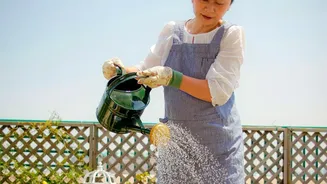
As the season changes, so do your plants' needs. With the humidity dropping, you'll need to monitor your watering schedule. The rule is to water only when the top inch or two of soil feels dry to the touch; overwatering is a more common problem in winter than underwatering. Most winter vegetables and flowers prefer a spot that receives at least 4-6 hours of sunlight daily. Regularly remove any dead or yellowing leaves to keep the plants healthy and direct energy towards new growth. Finally, keep an eye out for common winter pests like aphids. A simple spray of neem oil solution can help keep them at bay organically.