



Ride the Rails Through the Mist
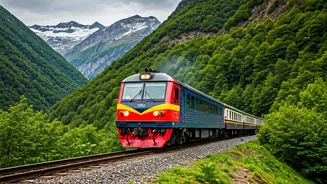
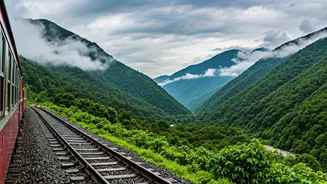
There is a certain magic to watching the monsoon-drenched landscape unfold from the window of a train. In July, several of India’s iconic railway lines become journeys through the clouds. The Kalka-Shimla Railway, a UNESCO World Heritage site, is a prime
example. The toy train chugs slowly through over 100 tunnels and across 800 bridges, offering panoramic views of pine forests and misty valleys that are exceptionally green during the rains. Similarly, the Nilgiri Mountain Railway to Ooty and the Darjeeling Himalayan Railway offer nostalgic rides through tea gardens and hills shrouded in fog, turning the journey itself into the main event. The Konkan Railway, connecting Mumbai to Goa, is another marvel, cutting through the Sahyadris where passengers are treated to views of countless waterfalls and vibrant greenery.
Drive the Lush Western Ghats
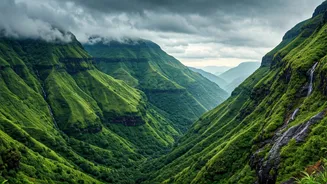
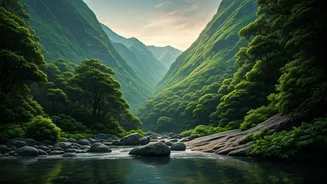
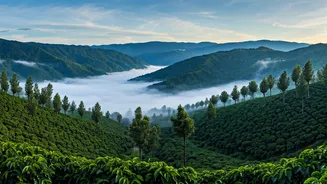
For those who prefer to be behind the wheel, a road trip through the Western Ghats in July is an unparalleled experience. The route from Mumbai towards Goa transforms from a bustling cityscape into a serene canvas of green. Destinations like Lonavala, Mahabaleshwar, and Panchgani in Maharashtra become monsoon heavens, with viewpoints like Tiger's Leap offering dramatic sights of valleys filled with mist. Further south, the roads winding through Coorg and Wayanad in Karnataka and Kerala are flanked by rain-fed coffee and spice plantations. The drive to Munnar in Kerala is particularly special, as the monsoon amplifies the beauty of its sprawling tea estates and brings its many waterfalls, like Athirapally, to full, roaring life. Driving these routes means you can stop at will to enjoy the cool air and the endless shades of green.
Trek to a Blooming Paradise
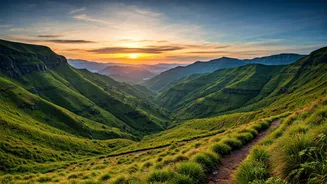
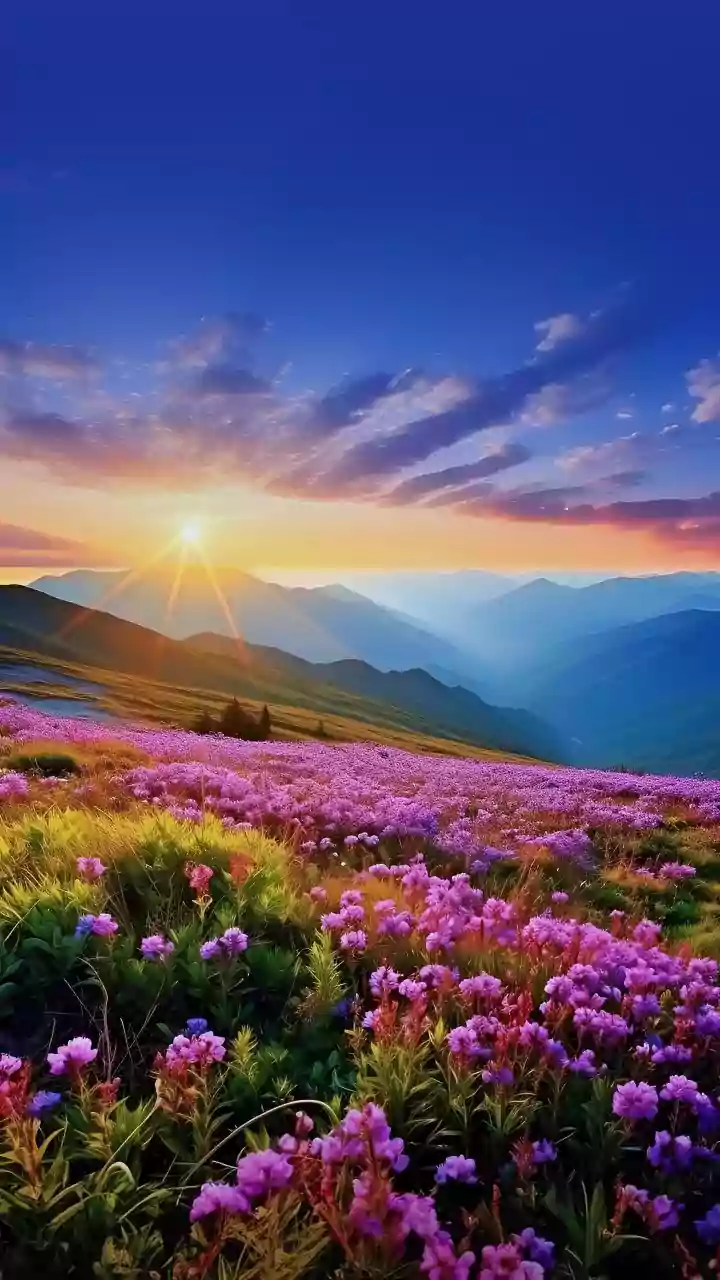
July is a spectacular month for trekking, especially if your goal is a grand floral view. The Valley of Flowers National Park in Uttarakhand is a UNESCO World Heritage site that truly comes alive this month. After the snow melts, the valley floor becomes a vibrant carpet of hundreds of species of flowers, including the elusive Brahma Kamal. The monsoon showers ensure the landscape is at its peak bloom, creating a photographer's and nature lover's paradise. While the trek requires preparation, the payoff is a view that is only available for a few months each year. Permits are necessary and should be arranged in advance, particularly for the peak season of July and August.
Chase Waterfalls in the Sahyadris
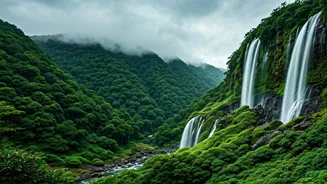
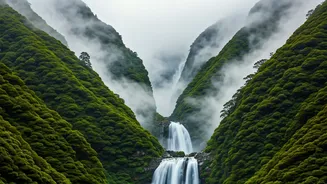
The monsoon reawakens dormant waterfalls across the country, and July is the prime time to witness them in their full glory. The Sahyadri range in Maharashtra and the surrounding regions are hotspots for waterfall treks. The trek to Devkund Waterfall in Bhira, Maharashtra, leads you through a dense forest to a stunning plunge pool. The Andharban trek, which translates to "dark forest," is another popular choice, taking you through a dense jungle path with numerous streams and waterfalls descending into a valley. In Goa, the Dudhsagar Waterfall trek offers a view of one of India's tallest waterfalls, a thunderous cascade that is especially powerful during the monsoon. These treks often involve navigating slippery paths and stream crossings, but the reward is an up-close experience with nature's raw power.
Escape the Rains in a High-Altitude Desert
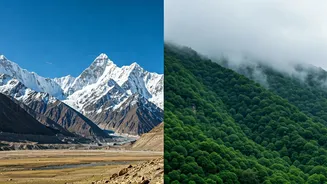
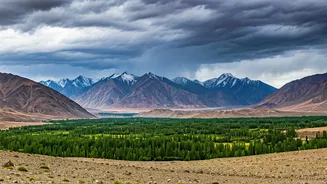
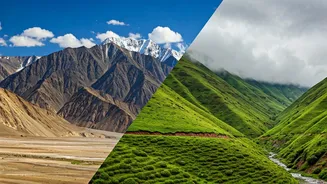
If you want spectacular views without the downpour, head north. The high-altitude desert landscapes of Ladakh and Spiti Valley are at their most accessible in July. Lying in a rain-shadow region, these areas receive minimal rainfall, offering clear blue skies and pleasant weather ideal for road trips and trekking. The Manali-Leh highway is typically open, making iconic destinations like Pangong Tso Lake and Nubra Valley reachable. The dramatic, barren mountains, ancient monasteries perched on cliffs, and vibrant cultural festivals like Hemis make for a different kind of scenic travel, proving that breathtaking views aren't always green.