

Beyond Jugaad: The New Art of the Wardrobe
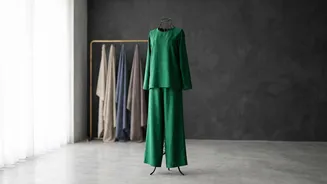
Restyling isn't just about mending a torn seam or replacing a button anymore. It is a thoughtful and creative process of reimagining what you already own. Think turning a beloved old saree into a chic lehenga, a contemporary gown, or even a set of stylish
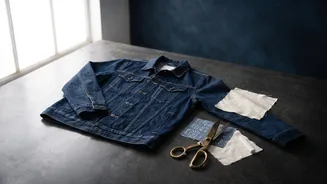
palazzo pants. This movement goes beyond the traditional Indian knack for 'jugaad' or frugal innovation; it's a conscious choice to move away from the fast fashion cycle of wear-once-and-discard. It's about seeing the potential in every garment, whether it's an heirloom piece from your mother’s closet or a festive outfit from last season. Brands and designers are tapping into this sentiment, offering services that transform old treasures into new, wearable art, proving that style and sentiment can coexist beautifully.
Why Now? The Shift to Conscious Consumption
Several factors are driving this trend. Economically, shoppers are becoming more discerning, seeking maximum value and utility from their purchases. The desire for 'intelligent spending' has made consumers question the need for a constantly revolving wardrobe. Culturally, there's a powerful and growing awareness around sustainability. Consumers, particularly younger generations like Gen Z, are increasingly conscious of fast fashion's environmental impact, from textile waste to water consumption. This has sparked a move toward 'slow fashion', which champions quality, durability, and timeless design over fleeting trends. The rise of social media influencers who champion outfit repeating and upcycling has also made it not just acceptable, but fashionable, to re-wear and reinvent clothes.
From High Fashion to Your Home
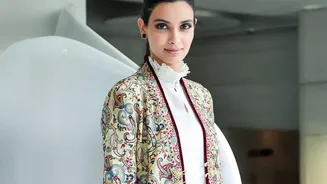
The restyling ethos is visible across the fashion spectrum. High-end Indian designers are increasingly focusing on creating versatile, timeless pieces that blend traditional craftsmanship with modern silhouettes, encouraging investment in garments meant to last. At the same time, a wave of specialised brands and studios has emerged, focusing squarely on upcycling and restyling. Labels like Doodlage, which creates collections from factory waste, and Punah:, which revamps existing garments, are leading the charge. These brands not only give a second life to textiles but also empower consumers to participate in a circular fashion economy. Some even offer services where you can send in your old clothes to be transformed into something entirely new and customised.
Unlocking Your Own Wardrobe's Potential
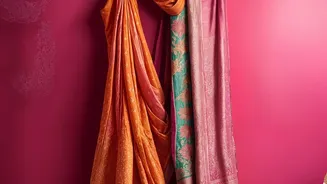
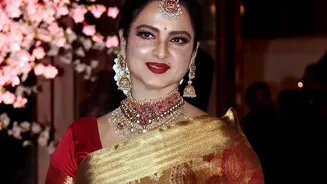
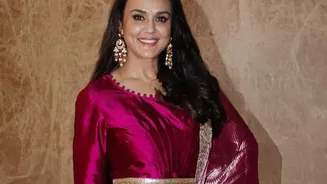
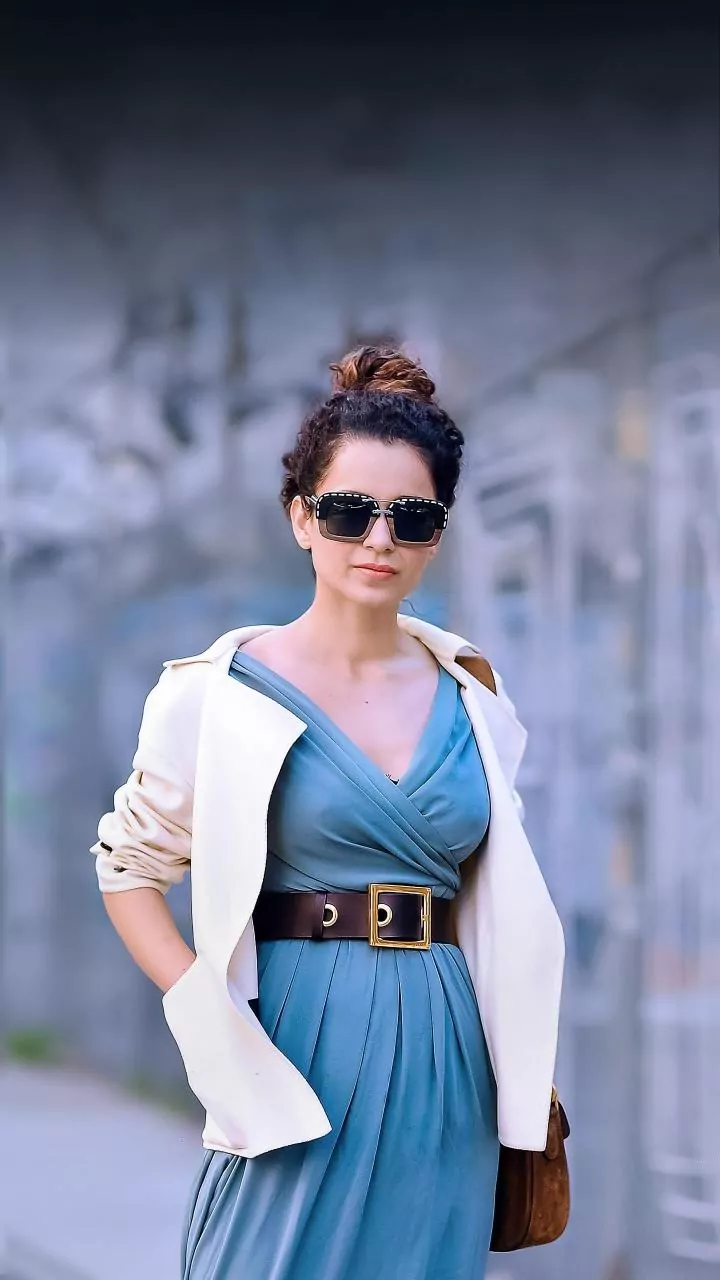
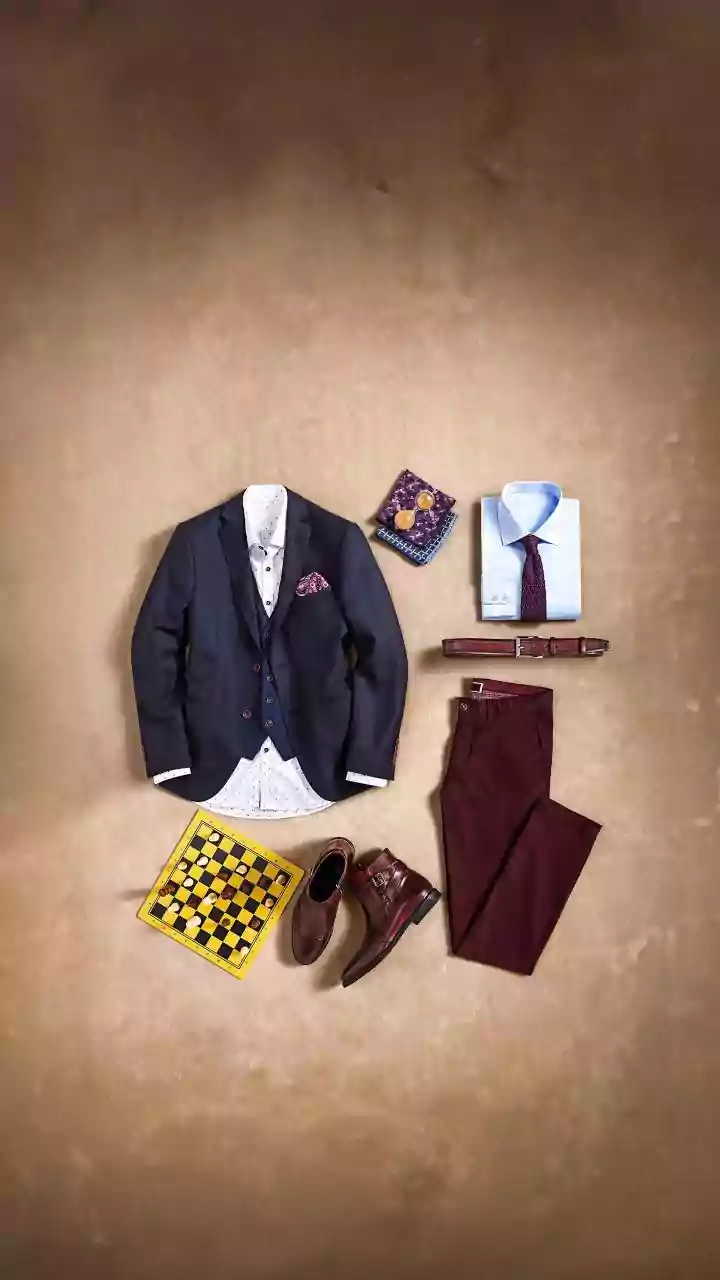
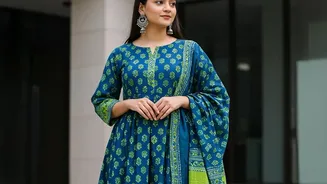
Embracing this trend doesn't require a designer's budget. The beauty of restyling lies in its accessibility. Start simple by experimenting with fusion wear: pair a traditional kurta with denim jeans for a casual-ethnic look. Revamp an old outfit by layering it with a colourful scarf or adding a statement belt to cinch a loose-fitting dress and create a new silhouette. Indian outfits are particularly suited for this. A heavy dupatta from an old suit can be repurposed to add flair to a simple one. An old saree holds immense potential; its nine yards of fabric can be transformed into a kurta, a skirt, or a set of co-ords. Even changing how you drape a saree or pairing it with a contemporary crop top can give it a completely fresh feel.