

Prioritise Hydration Above All
Fasting, especially in the humid monsoon weather, can quickly lead to dehydration. Make it a point to drink plenty of water throughout the day during the hours you are not fasting. Beyond water, other fluids can keep your electrolyte levels balanced.
Coconut water, fresh fruit juices (without added sugar), buttermilk, and lassi are excellent choices to stay hydrated and refreshed. Including plenty of seasonal fruits like watermelon, papaya, and apples also contributes to your fluid intake.
Energise with Complex Carbohydrates
While fasting, your body needs a steady supply of energy. Instead of relying solely on simple starches, focus on complex carbohydrates that provide sustained fuel. Vrat-friendly ingredients like samak rice (barnyard millet), sabudana (tapioca pearls), and sweet potatoes are fantastic options. Samak rice can be used to make a light pulao, while sweet potatoes can be roasted or turned into a chaat. These foods prevent the sudden energy slumps that often accompany fasting.
Power Up with Vrat-Friendly Protein
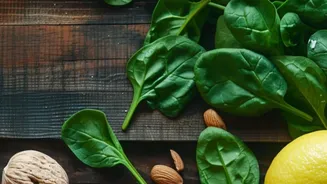
Protein is essential for maintaining muscle health and promoting satiety, which helps control hunger during long fasting hours. Many people overlook protein during Sawan, but there are numerous permissible sources. Paneer (cottage cheese) is a top choice and can be grilled or added to vegetable preparations. Dairy products like milk and curd are also excellent. For plant-based options, rajgira (amaranth) flour is a protein-rich grain that can be used to make rotis or parathas. Nuts like almonds and walnuts, and seeds, also provide a good protein boost.
Include Healthy Fats for Satiety
Healthy fats are crucial for feeling full and satisfied. Rather than resorting to deep-fried snacks, incorporate healthier fat sources into your meals. A handful of peanuts or a trail mix of roasted makhana (fox nuts), almonds, and walnuts makes for a nutritious snack. Using ghee for cooking is also a traditional and healthy way to add fats to your diet. Peanuts, whether roasted or ground into a chutney, offer both healthy fats and protein, helping to stabilise blood sugar levels.
Building a Balanced Vrat Thali
The key to a healthy fast is to combine different food groups in each meal. Avoid eating meals that consist only of potatoes or fried items. A balanced Sawan meal could feature a rajgira paratha (protein and carbs), a bowl of curd (protein and probiotics), and a simple lauki (bottle gourd) sabzi (fibre and vitamins). For another meal, a samak rice pulao cooked with peanuts and vegetables offers a mix of carbs, protein, and healthy fats. This approach ensures you get a wide range of nutrients.
Smart Snacking to Beat Hunger Pangs
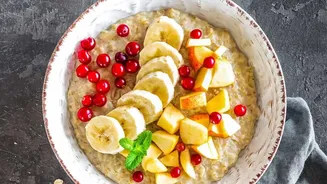
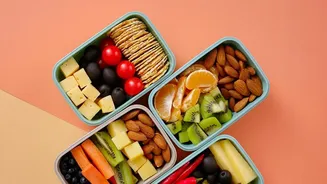
Snacking strategically can prevent you from feeling drained between meals. Fresh fruits are always a great choice. A bowl of fruit chaat, seasoned with sendha namak (rock salt) and black pepper, can be refreshing and filling. Roasted makhana is another excellent snack, as it's light, crunchy, and rich in calcium. A banana-almond milk smoothie can also serve as a quick, energy-boosting snack that provides both carbs and protein.