

The Allure of the Abode of Clouds
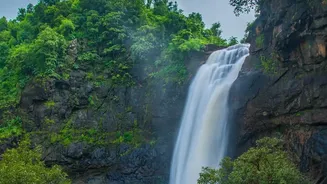
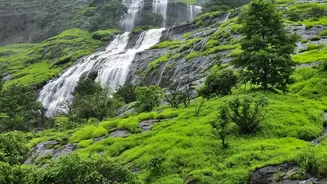
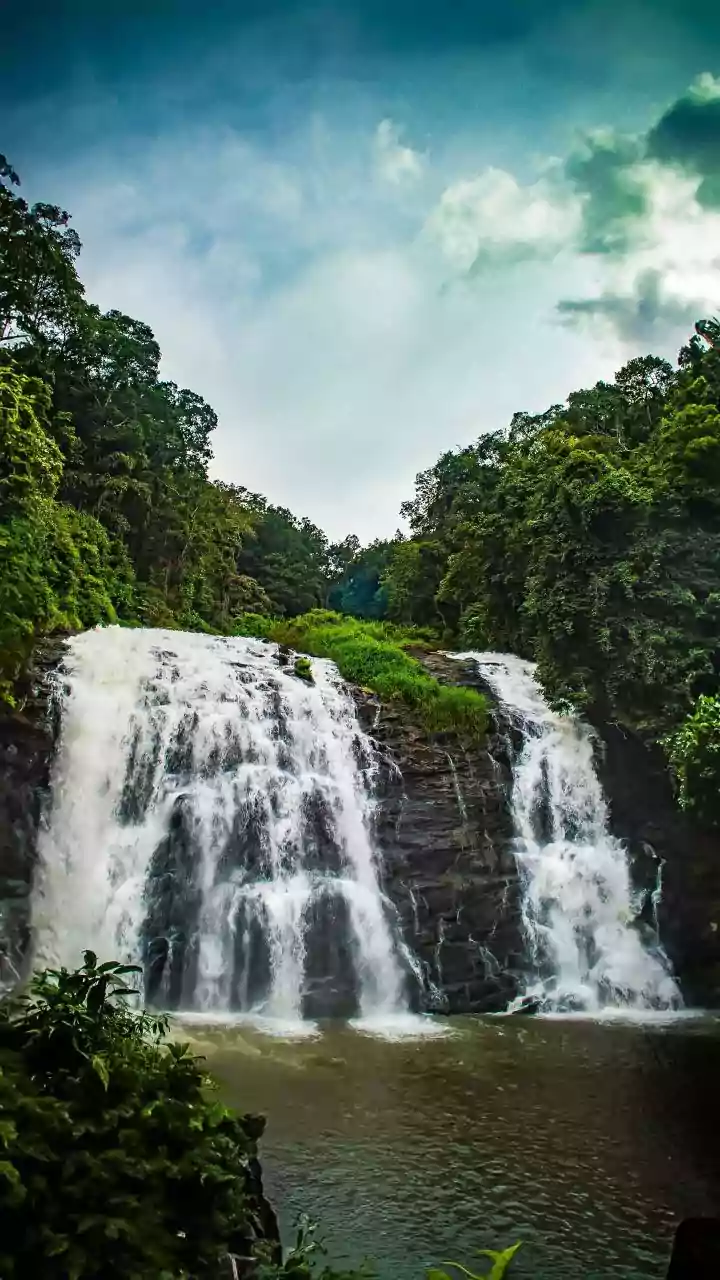
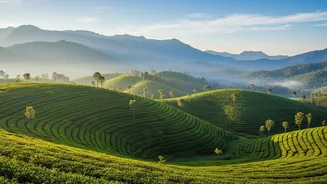
Meghalaya, the “abode of clouds,” is globally renowned for receiving some of the highest rainfall on the planet. During the monsoon, this translates into a landscape teeming with life, where waterfalls cascade from every cliff and rivers swell with incredible
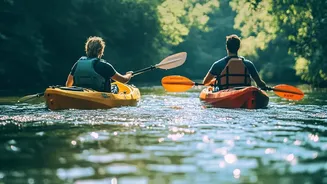
force. This dramatic transformation creates a world-class destination for whitewater kayakers. Rivers like the Kynshi, Umtrew, and Kopili become legendary proving grounds, offering a mix of steep, technical rapids and big-volume flows that draw adventurers from around the globe seeking the ultimate challenge. The combination of pristine jungle scenery, deep gorges, and powerful, warm water makes for an irresistible, albeit dangerous, cocktail.
When Water Becomes a Force of Nature
The sheer volume of water during the monsoon is the primary factor defining Meghalaya's rapids. Receiving up to 12,000 mm of rain, the rivers don't just rise; they fundamentally change character. A calm stream can become a monstrous Class V rapid overnight. This isn't a gentle swell but a torrential onslaught that scours the riverbed and carries immense power. Hydrological studies in the region show that catchments respond to heavy rainfall almost instantly, with river flows rising steeply within hours. This rapid response means a sunny morning can turn into a treacherous flood situation by the afternoon, a phenomenon kayakers must constantly anticipate. At peak monsoon, the Kynshi River, a jewel in Meghalaya's kayaking crown, becomes a completely different beast, a reminder that even seasoned paddlers have barely scratched the surface of its power.
The Treacherous Anatomy of the Canyons
Beyond the sheer force of the water, the geology of Meghalaya's canyons presents specific, technical dangers. The rivers carve through a mix of bedrock and boulders, creating complex features that require expert navigation. Key hazards include: Hydraulics (Holes): The massive volume of water pouring over ledges and boulders creates powerful recirculating currents that can trap a kayaker and their boat with immense force. Sieves and Undercuts: In many areas, the river flows through or under piles of massive boulders. A sieve is a channel where water passes through rocks, but a person or boat cannot, creating a deadly trap. Undercuts are rock ledges hollowed out by the current, where a swimmer can be pinned underwater with no escape. While some rivers like the Kopili are noted for their relatively safe bedrock nature, others like the Wah Blei are notorious for "nasty siphons." * Flash Floods: The weather in Meghalaya is famously unpredictable. Intense rainfall upstream can send a sudden wall of water down a canyon with little to no warning, exponentially increasing the river's volume and velocity. This makes scouting rapids and choosing campsites a matter of life and death.
A Proving Ground for the Elite
Navigating these conditions is not for the weekend enthusiast. The rapids in Meghalaya's core rivers are rated Class IV and V, a designation reserved for the most difficult and dangerous whitewater accessible only to experts. A "skilled kayaker" in this context is someone with years of experience on comparable rivers, advanced rescue training, and the ability to "read" complex water patterns under pressure. They must be able to execute precise manoeuvres like the "boof" (a stroke to clear a hydraulic) and maintain psychological composure when facing life-threatening situations. Many rapids must be portaged—carried around—due to their extreme danger, a gruelling task in itself involving scrambling over massive boulders and through dense jungle. It is a world where one mistake, like a missed stroke or a moment of indecision, can have catastrophic consequences.