






Understanding the Classic Cat-Cow
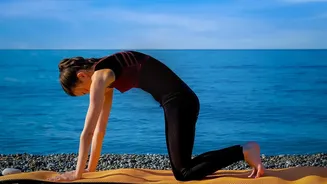
Cat-Cow, or Marjaryasana-Bitilasana, is a dynamic flow between two poses. You start on all fours in a 'tabletop' position, with your hands under your shoulders and knees under your hips. As you inhale, you drop your belly, lift your chest, and look forward
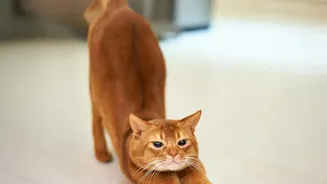
into Cow Pose (Bitilasana). As you exhale, you round your spine toward the ceiling, tucking your chin to your chest, like a cat stretching its back (Marjaryasana). This simple sequence is celebrated for its ability to improve spinal flexibility, relieve tension in the back and neck, warm up the body, and calm the mind by linking breath to movement. It's a foundational practice for improving posture and body awareness.
Consideration 1: Soothing Sensitive Knees
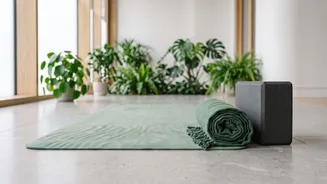
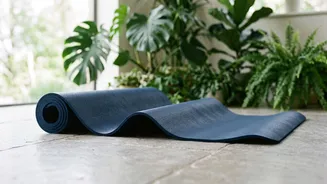
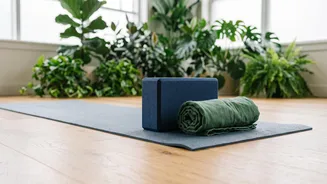
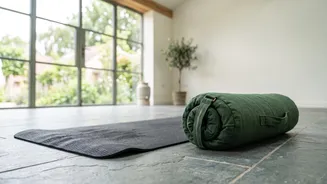
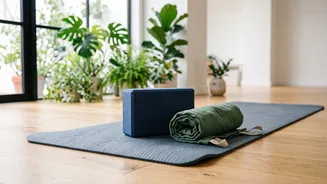
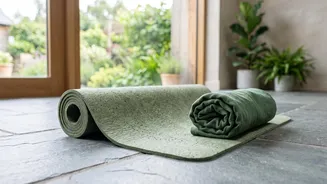
One of the most common complaints from beginners in Cat-Cow is pressure on the kneecaps. The floor can feel hard, making it difficult to focus on the stretch. The solution is simple: add padding. Place a folded blanket or towel under your knees for extra cushioning. Many yoga practitioners even fold their mat over once to create a double layer of support. This small adjustment can make a world of difference, allowing you to settle into the pose without discomfort and focus on the movement of your spine rather than your aching knees.
Easing Wrist Discomfort
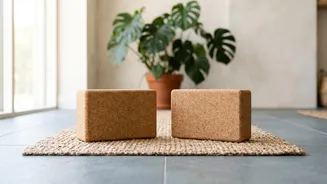
Bearing weight on the hands can be challenging, especially if you have sensitive wrists or spend long hours typing. If your wrists protest in tabletop position, you have several options. First, you can make fists with your hands and rest on your knuckles, which keeps the wrist straight and removes the sharp angle of extension. Another excellent modification is to place your hands on yoga blocks. This reduces the angle of flexion and can alleviate pressure. You can also shift to your forearms, which takes the wrists out of the equation entirely. The key is to distribute weight evenly and avoid collapsing into your joints.
Modification 1: Seated Cat-Cow in a Chair
You don't need to be on the floor to reap the benefits of Cat-Cow. A seated version is perfect for office breaks, for those with limited mobility, or for anyone who finds kneeling uncomfortable. Sit toward the front of a sturdy chair with your feet flat on the floor and your hands resting on your knees or thighs. On your inhale, gently arch your spine, draw your shoulders back, and lift your chest forward (Cow). As you exhale, round your back, allowing your shoulders to come forward and your chin to drop toward your chest (Cat). This variation provides the same spinal mobilisation without any pressure on the knees or wrists.
Modification 2: The Standing Variation
A standing Cat-Cow is another great alternative that takes pressure off your joints. Stand with your feet about hip-width apart and a slight bend in your knees. Place your hands on your thighs for support. As you inhale, arch your back and look forward, allowing your tailbone to tip up. On the exhale, round your spine, tucking your chin and tailbone. You can also perform this variation while facing a wall or the back of a sturdy chair, placing your hands on the surface for support. This version is not only accessible but also helps build awareness of your posture while standing.
Final Beginner Considerations
Regardless of which variation you choose, the most important rule is to listen to your body. Move slowly and intentionally, letting your breath guide the rhythm. The goal is not to create the biggest arch or the deepest curve, but to find a gentle, fluid movement that feels good. Don't force anything, and never push through pain. Avoid throwing your head back in Cow Pose; instead, keep the back of your neck long and simply gaze forward. In Cat Pose, gently tuck the chin rather than forcing it hard against your chest. These small adjustments ensure the practice remains safe, supportive, and beneficial.