




Meet the Creator Middle Class
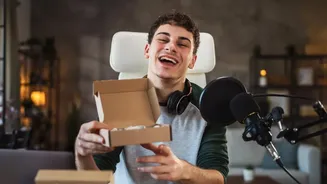
Before we dive into the technology, it’s important to understand who we’re talking about. The term “Tier 2” or “mid-tier” creator generally refers to influencers with a substantial but not astronomical following, typically somewhere between 50,000 and 500,000
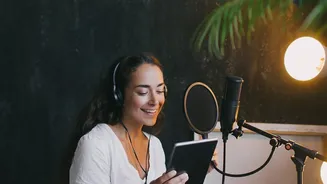
followers. These aren’t household celebrity names (mega-influencers) or your friend with a niche hobby account (nano-influencers). They are the creator economy’s middle class: skilled professionals who have built a dedicated audience and often rely on content as a primary source of income. They are vloggers, educators, comedians, and experts who have put in the work to build trust and community. But with that success comes a relentless demand for a high volume of quality content across multiple platforms like YouTube, TikTok, and Instagram, often without the support of a large production team.
The Rise of the AI Editing Assistant
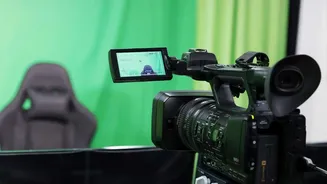
The biggest bottleneck for many video creators is post-production. Taking a long-form video, like a 20-minute YouTube deep dive, and turning it into a series of engaging, vertical short-form clips for other platforms can take hours of manual work. This is where automated AI short generators come in. Tools like Opus Clip, Klap, and others using similar technology are designed to do one thing exceptionally well: analyze a long video, identify the most compelling hooks and interesting segments, and automatically re-format them into short, shareable clips complete with captions, reframed visuals for mobile, and a rating of their viral potential. Instead of a human editor scrubbing through footage to find the best moments, the AI does the heavy lifting in minutes.
A Lifeline for Overwhelmed Creators
For Tier 2 creators, this technology is more than a novelty; it’s a productivity revolution. A recent Adobe survey found that 71% of creators have used AI video tools, with over half saving more than 30 minutes per video. For some, the time savings are even more dramatic, cutting hours out of their workflow. This efficiency allows them to scale their output dramatically. One long video can now become ten TikToks or Reels without ten times the effort. This frees creators to focus on what they do best: developing ideas, engaging with their community, and building their brand, rather than getting bogged down in repetitive editing tasks. By automating the most tedious parts of content repurposing, AI acts as a digital assistant, enabling them to compete with larger creators and media houses.
The Double-Edged Sword of Automation
However, the reliance on these tools is not without its critics and drawbacks. A primary concern is the potential for content to become homogenized. When thousands of creators use the same algorithms to identify what’s “interesting,” there’s a risk that social media feeds will fill with clips that share a similar structure, pacing, and style. The quirky, unexpected editing choices that give a creator a unique voice can be lost when an algorithm optimized for mass appeal takes over. Furthermore, AI is not infallible. It can misinterpret context, cut off sentences awkwardly, or miss the subtle nuances that a human editor would catch. This means creators still need to perform a crucial quality control check, reviewing and often tweaking the AI’s output to ensure it aligns with their brand and maintains a human touch.
The Bigger Picture: A New Creative Floor
Ultimately, the rise of AI short generators is less about replacing human creativity and more about raising the baseline for productivity. These tools are democratizing production capabilities that were once only available to those with big budgets for editing teams. For the mid-tier creator, AI is a powerful force multiplier, allowing them to punch above their weight and maintain visibility in an increasingly crowded digital landscape. While concerns about authenticity and originality are valid, the dominant trend shows AI being used as a collaborator, not a replacement. It handles the grunt work, allowing the human creator to focus on strategy, storytelling, and building a genuine connection with their audience—the very things that an algorithm cannot replicate.