




As the air turns crisp, our bodies crave warmth and nourishment. Nature provides the perfect pantry for the season, featuring vibrant superfoods like carrots, amla, and fenugreek that are packed with the nutrients needed to stay healthy and strong.
Why Eating Seasonally Matters
Following
a seasonal diet is a practice rooted in ancient wisdom, particularly in India, where traditional food habits have long been aligned with the cycles of nature. Eating produce that is naturally harvested in winter means you are consuming foods at their peak freshness, flavour, and nutritional value. During colder months, our metabolism and digestive systems often function more efficiently, allowing us to process denser, more nourishing foods. Seasonal vegetables like carrots, amla, and fenugreek are perfectly suited to meet the body's winter needs, providing warmth and essential nutrients to bolster immunity and fight off common illnesses. This approach not only supports better health but also encourages a greater variety in your diet and a deeper connection to where your food comes from.
Carrots: The Vision and Immunity Powerhouse
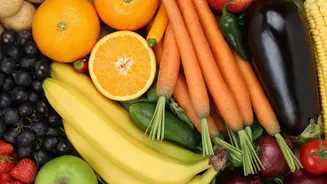
The familiar crunch of a fresh carrot is a staple of Indian winters for a good reason. These vibrant orange roots are nutritional powerhouses, most famous for their high concentration of beta-carotene, which the body converts into Vitamin A. This essential vitamin is crucial for maintaining good vision, especially in low light, and supports a strong immune system. Carrots are also a great source of fibre, which aids digestion and helps regulate blood sugar levels. Beyond their health benefits, carrots are incredibly versatile. Enjoy them raw in salads for a refreshing crunch, juice them for a morning nutrient boost, or cook them into classic dishes like 'Gajar ka Halwa' or a simple 'Gajar Methi Sabzi' for a comforting and healthy meal. Whether raw or cooked, they provide significant health advantages; cooking can even make beta-carotene more available for the body to absorb.
Amla: The Ultimate Immunity Booster
Amla, or Indian Gooseberry, is a small, tangy fruit celebrated for centuries in Ayurvedic traditions for its incredible health properties. Its most notable benefit is its exceptionally high Vitamin C content, a potent antioxidant that plays a vital role in strengthening the immune system and helping the body fight off infections like the common cold. Regular consumption of amla can also contribute to radiant skin by promoting collagen production, and it supports digestive health. Furthermore, the fibre in amla aids in regulating bowel movements. The tart flavour can be intense, but there are many ways to enjoy it. You can eat it raw with a sprinkle of salt, juice it (often combined with carrot and beetroot), or consume it as a sweet preserve like 'amla murabba'. Amla powder is another convenient option that can be added to smoothies or water.
Fenugreek: For Warmth and Wellness
Fenugreek, known as 'methi' in India, is a versatile herb where both the leaves and seeds are used for their distinct flavour and health benefits. The leaves, a popular winter green, are believed to have warming properties, making them ideal for the colder season. They are a rich source of iron, folic acid, and several vitamins. The seeds are packed with soluble fibre, which can help in regulating blood sugar by slowing down sugar absorption. This fibre also adds bulk to stool, aiding in relieving constipation. Both methi leaves and seeds are staples in the Indian kitchen. The fresh leaves are used to make flavourful dishes like 'Methi Thepla', 'Aloo Methi', or added to dals. The seeds are a common spice in curries and can be soaked overnight and consumed for their digestive benefits.