




An Introduction to Ragi
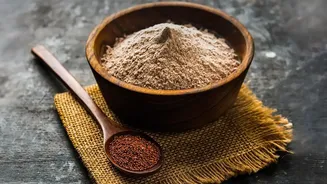
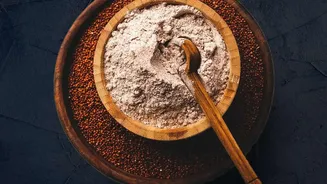
Finger millet, known locally as ragi, is a robust and ancient grain that has been a staple in Indian households for centuries. Often called a superfood, this small, deep-red grain is experiencing a resurgence in popularity as people rediscover its immense
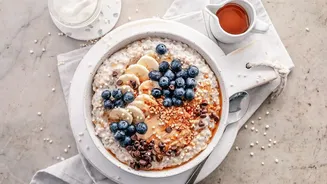
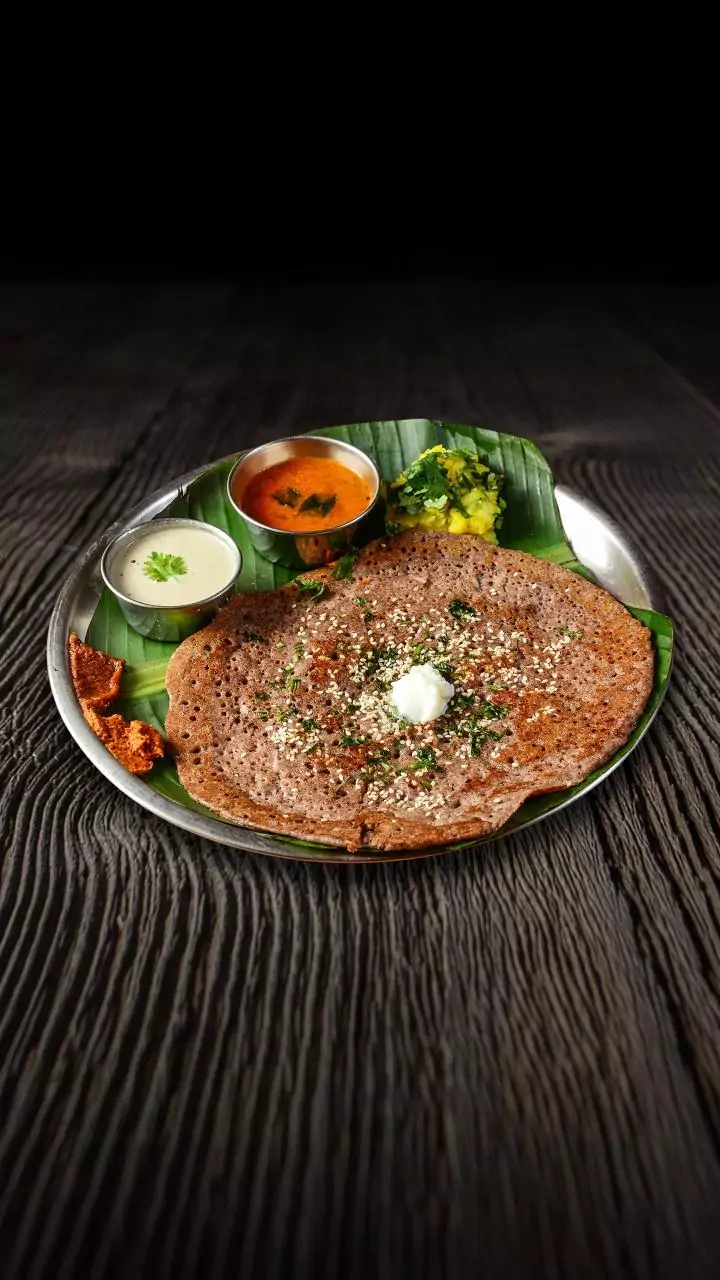
health benefits and culinary versatility. Traditionally used to make everything from porridge and rotis to malted drinks, ragi is now being embraced in modern kitchens for dishes like savoury crepes, providing a wholesome alternative to refined flours. Its natural hardiness allows it to grow in various climates, making it an accessible and sustainable crop across the country.
A Nutritional Powerhouse
Ragi’s reputation as a superfood is well-deserved due to its dense nutritional profile. It is one of the best plant-based sources of calcium, containing significantly more than most other cereals, which is crucial for maintaining strong bones and teeth. The grain is also rich in iron, an essential mineral for preventing anaemia and maintaining energy levels. Furthermore, ragi is packed with dietary fibre, which aids in digestion, promotes a feeling of fullness, and helps in managing weight. Its low glycemic index means it releases sugar into the bloodstream slowly, making it an excellent choice for managing blood sugar levels.
The Gluten-Free Advantage
For individuals with celiac disease or gluten sensitivity, finding satisfying breakfast options can be a challenge. Ragi is naturally gluten-free, making it a safe and nutritious alternative to wheat-based products like conventional dosas or chapatis. But the benefits extend beyond those with gluten intolerance. Incorporating gluten-free grains like ragi can help diversify your diet, introducing a new range of nutrients and flavours. A gluten-free breakfast can also feel lighter on the digestive system, preventing the bloating and sluggishness that sometimes follow a heavy, gluten-rich meal.
Why Savoury Crepes for Breakfast?
Starting the day with a savoury, protein-rich meal provides sustained energy and can prevent the mid-morning crash associated with sugary breakfasts. Savoury ragi crepes, often prepared like a traditional dosa, offer the perfect vehicle for a balanced meal. They can be paired with nutrient-rich accompaniments like lentil-based sambar, coconut chutney, or a filling of spiced vegetables. This combination of complex carbohydrates from the ragi and protein from accompaniments keeps you full and focused for hours. The savoury format is also incredibly versatile, allowing you to customize the fillings and spices to your preference.
Preparing the Perfect Ragi Crepe Batter
Creating savoury ragi crepes at home is straightforward. You can choose between an instant batter or a fermented one. For an instant version, simply mix ragi flour with water or buttermilk, a touch of rice flour for crispiness, salt, and spices like cumin. For a more traditional and gut-friendly option, consider a fermented batter. This involves soaking urad dal, grinding it into a paste, and then mixing it with ragi flour before allowing it to ferment overnight. Fermentation not only develops a pleasant, tangy flavour but also increases the bioavailability of nutrients by breaking down phytic acid, making minerals like calcium and iron easier for the body to absorb. When cooking, use a hot, well-oiled non-stick pan. Pour a ladle of the thin batter and spread it quickly to form a thin crepe. Cook until the edges become crisp, then flip and cook briefly on the other side.