




The Great Indian Snack Makeover
The Indian snack market, a sector valued in the billions, is undergoing a significant transformation. This change is not just about adding a 'healthy' label to a packet; it is a fundamental shift in consumer mindset. Shoppers are increasingly scrutinizing
ingredient lists, prioritizing nutritional value, and moving away from traditional deep-fried, high-sugar options. This has led to a surge in demand for snacks that are baked, roasted, or air-popped instead of fried. The market is now flooded with options boasting claims like 'low-fat,' 'high-protein,' and 'no artificial additives,' reflecting a clear pivot toward wellness. This evolution is driven by a consumer who is more informed, curious, and proactive about their long-term health.
Why Health is Suddenly on the Menu
Several factors are fueling this health-conscious movement. A growing awareness of lifestyle diseases like diabetes and obesity has made many Indians more mindful of their dietary choices. This, combined with rising disposable incomes and increased urbanization, has created a segment of consumers willing to pay a premium for healthier alternatives. The COVID-19 pandemic further accelerated this trend, with a heightened focus on immunity-boosting foods. Busy, modern lifestyles also play a role, creating a need for convenient, on-the-go snacks that don't compromise on nutrition. As a result, what was once a niche market for health food is now a mainstream force shaping the future of the entire food industry.
Meet the New Heroes: Millets and Plant-Based Ingredients
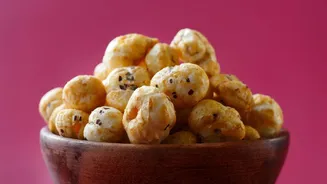
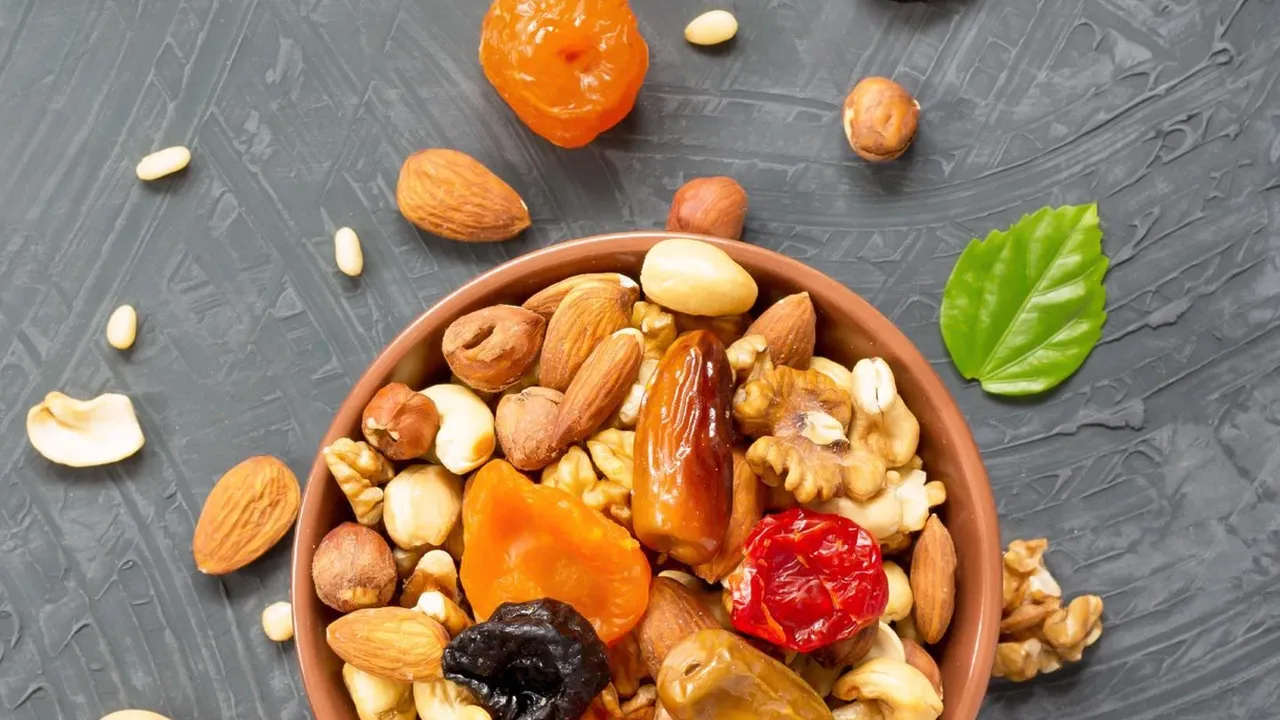
At the heart of this revolution is a return to traditional, nutrient-dense ingredients. Millets such as ragi, jowar, and bajra have been repositioned from humble grains to superfoods, appearing in everything from chips and puffs to cookies. Their high-fiber and gluten-free properties make them a popular choice. Plant-based snacks are also seeing a massive surge, with options like roasted makhana (fox nuts), chickpea clusters, and seed mixes dominating the healthy snack aisle. These ingredients are not only valued for their nutritional benefits, like being rich in protein and minerals, but also for their alignment with sustainable and clean eating principles. Consumers are actively seeking out snacks with 'clean labels,' meaning short, recognizable ingredient lists free from artificial additives.
Tradition Reimagined for Modern Tastes
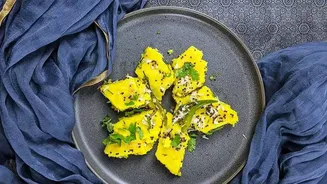
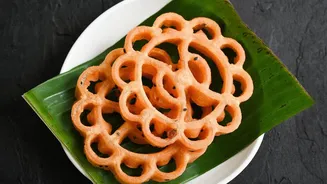
This new trend doesn't mean abandoning beloved traditional snacks. Instead, brands are innovating by giving classic recipes a healthy twist. Consumers can now find baked murukku, poha chivda made with minimal oil, and even dhokla and idli positioned as convenient, healthy bites. The strategy is to retain the authentic flavours that Indians love while updating the preparation methods and ingredients to meet modern wellness standards. For instance, jaggery is making a comeback as a natural sweetener replacing refined sugar in items like chikki, and regional spices are being used to flavor baked millet snacks, creating a perfect blend of nostalgia and nutrition.
How Brands Are Keeping Pace
Both legacy food giants and a wave of new startups are racing to cater to this evolving demand. Large companies like PepsiCo have introduced millet-based versions of popular snacks, while brands like ITC are launching a wide range of health-focused products. The market has also seen an explosion of direct-to-consumer (D2C) brands that have built their identity around transparency, clean ingredients, and innovative formats like subscription boxes. Distribution is also changing, with these healthy options becoming more accessible through e-commerce platforms and prominent displays in supermarkets. This competitive landscape ensures a continuous stream of innovation, offering more choices than ever before.