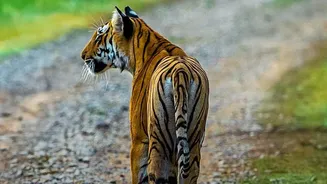




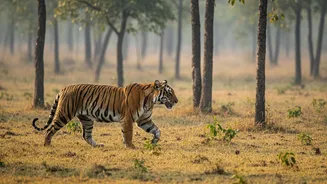


The Changing Face of Safari Travel
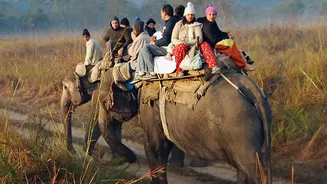
For decades, a journey into the heart of India’s tiger country was synonymous with expensive private lodges, pre-booked jeep safaris, and costly taxi transfers from the nearest airport. This high barrier to entry often placed the experience out of reach
for budget-conscious and solo travelers. The logistics of navigating remote parks and the significant expense of single-person travel created a perception of exclusivity. However, the romance and efficiency of the Indian Railways are rewriting this narrative, making the thrill of a tiger safari more accessible than ever.
The Rise of the Railway Adventure
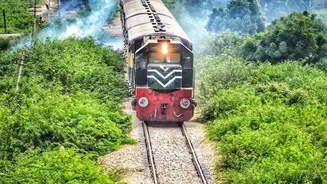
While India has offered tourist-focused rail passes like the Indrail Pass for years, a growing number of independent travelers are discovering their value for creating flexible, budget-friendly wildlife itineraries. These passes allow for travel across the network for a fixed price, removing the hassle of booking individual tickets and offering significant savings. For a solo traveler, this means the freedom to traverse vast distances between major cities and the remote railheads that serve as gateways to the national parks, all for a predictable cost. While the formal Indrail Pass has seen changes, the principle of using the affordable and extensive rail system remains a powerful tool for budget travel.
Central India’s Tiger Corridors by Train
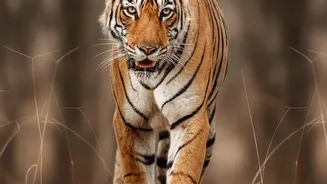
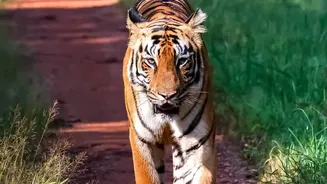
Central India, particularly the state of Madhya Pradesh, is known as the 'Tiger State' and is home to some of the country's most iconic reserves. Many of these are surprisingly accessible by train. For Bandhavgarh National Park, famed for its high tiger density, the nearest station is Umaria, just 32 km away. Katni is another major rail junction nearby. To reach Kanha National Park, the inspiration for Rudyard Kipling's 'The Jungle Book', travelers can disembark at Gondia (145 km) or Jabalpur (160 km). Similarly, Pench National Park is best reached from Nagpur (around 100km) or Seoni (30km), both well-connected railway stations. An overnight train from a major hub like Delhi or Mumbai can deposit a traveler at one of these stations by morning, ready for a short road transfer to the park gates.
The Solo Traveler's Advantage
Rail travel offers unique benefits for those journeying alone. Financially, it eliminates the need for expensive, long-distance private taxis, which can be prohibitively costly for one person. The cost of a train ticket is a fraction of a private car fare. Safety is another key factor. Trains offer a sense of security, with fellow passengers and railway police providing a level of passive oversight that a solo car journey lacks. Furthermore, train travel is a social experience, offering opportunities to meet fellow travelers and local families, mitigating the isolation that can sometimes accompany solo trips. It's a chance to see India's diverse landscapes unfold at a slower, more immersive pace.
Planning Your Solo Rail Safari
Successfully planning a rail-based safari requires some foresight. Booking trains well in advance is crucial, especially for popular routes and higher classes like AC 2-Tier or AC 3-Tier, which are recommended for comfort and security on overnight journeys. Upon arrival at a station like Umaria or Jabalpur, local taxis and buses are readily available for the final leg to the national park. Many budget guesthouses and lodges are located near park gates and can assist with booking shared jeep safaris, which further reduces costs for solo travelers. By connecting the dots between the railway station and the safari gate, the legendary tiger reserves of Central India are no longer a distant dream, but a real and thrilling possibility for the independent adventurer.