






Beyond the Postcard Picture
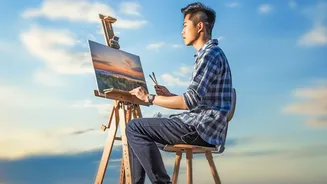
Forget frantic itineraries and rushed sightseeing. A hobby holiday, or ‘skillcation’, is a trip planned around a specific passion. Instead of just visiting monuments, travellers are actively participating in workshops and courses that allow them to dive
deep into an interest. This could mean learning to surf on the coasts of Kerala, mastering pottery in the Himalayan foothills of Andretta, joining a cheese-making course in Kodaikanal, or attending an astrophotography workshop in the clear skies of Ladakh. The focus shifts from passive observation to active immersion. The souvenir is not an object from a gift shop, but a tangible new skill and a collection of unique memories that last a lifetime.
The Search for Meaningful Breaks
Several factors are driving this shift, particularly among India's Gen Z and millennial travellers. Post-pandemic, there's a profound desire for more meaningful and authentic experiences over mass-market tourism. In an age of digital overload and professional burnout, a holiday focused on a creative or physical skill offers a more restorative way to disconnect. It’s a form of self-investment. Furthermore, these trips foster a sense of community. Travelling with a small group of like-minded people who share a passion creates a unique social environment, a powerful antidote to the urban loneliness many young professionals experience. This desire for connection, personal growth, and unique stories is fundamentally altering what young Indians seek from their time off.
An Economy Built on Experience
This trend is creating new opportunities within the Indian tourism industry. The market for experiential travel is growing rapidly, projected to reach significant new heights driven largely by travellers aged 18 to 35. This demographic is increasingly planning their own trips, prioritising unique experiences over traditional package tours. In response, a new ecosystem of niche travel companies is emerging, offering curated trips designed around everything from culinary trails and textile crafts to wellness retreats and adventure sports. This move benefits local economies by empowering artisans, local guides, and homestay owners who provide the authentic experiences these travellers crave. It represents a structural shift towards slower, more sustainable, and community-focused tourism.
The Future Is Hands-On
As more young Indians embrace this travel philosophy, destinations are beginning to market themselves not just on their sights, but on the experiences they offer. The emphasis is on what you can do there, not just what you can see. This is a generation that values personal enrichment and cultural immersion more than ticking items off a checklist. They are more likely to spend on a memorable activity than on a luxury hotel room. This doesn't mean traditional tourism will disappear, but it suggests that the future of travel for this demographic will be more personalised, participatory, and purposeful. The trip itself becomes a journey of self-discovery.