





The Heartbeat of Assam's Tea Country
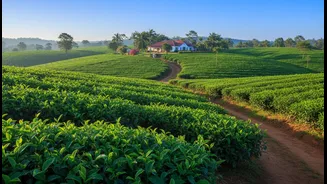
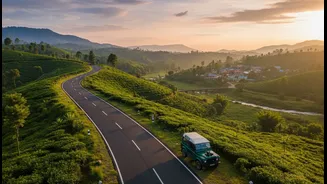
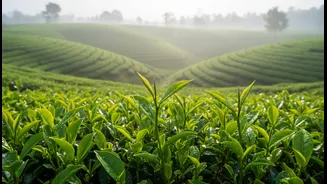
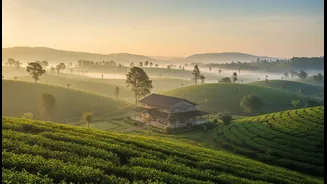
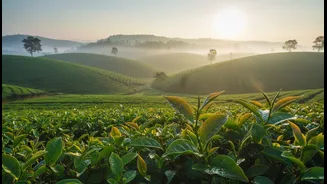
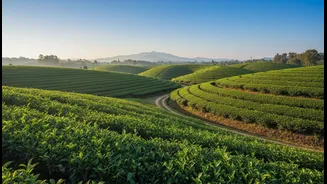
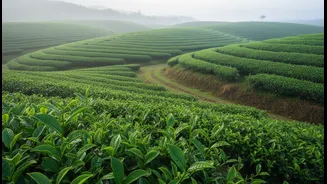
Jorhat’s most famous title is the ‘Tea Capital of India’, and for good reason. The city is the epicentre of Assam's sprawling tea industry, with verdant estates stretching in every direction. This isn’t just a recent development; the region's history
is steeped in tea. It is home to the Cinnamora Tea Estate, established in 1850 and considered the first commercial tea garden in the state. The British even built a narrow-gauge railway here in 1885 specifically to transport the precious leaves, cementing Jorhat’s role as a commercial hub for the industry. But Jorhat's connection to tea is not just about production. It is also a global centre for innovation. The city is home to the Tocklai Tea Research Institute, founded in 1911, which is the world’s oldest and one of its largest research stations dedicated to the crop. This institute has been instrumental in developing cultivation techniques used across India and the world, solidifying Jorhat’s status as the intellectual and commercial heart of the global tea trade. For any visitor, the experience is immersive, from the sight of mist rising over the plantations to the aroma of freshly processed leaves.
A Gateway to Natural and Cultural Wonders
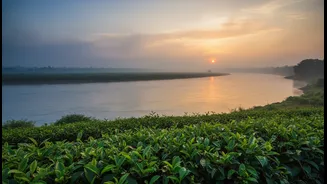
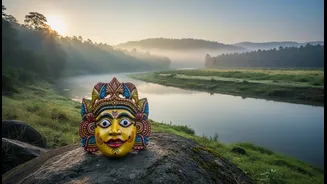
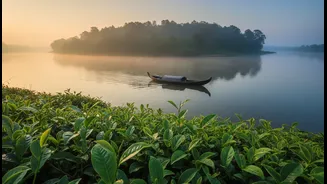
While Jorhat is a destination in its own right, it also serves as a crucial launchpad to some of Northeast India’s most treasured sites. This role as a connector is central to its appeal. The most significant of these connections is to Majuli, the world's largest river island, located in the Brahmaputra River. The ferry journey to Majuli begins at Nimati Ghat, a short drive from Jorhat, making the city the primary gateway for travellers seeking to explore the island's unique Vaishnavite monasteries, or Satras, and its serene, rural way of life. Beyond Majuli, Jorhat is also a convenient base for visiting Kaziranga National Park, a UNESCO World Heritage Site famous for its population of the one-horned rhinoceros. Located just a couple of hours away by road, it allows visitors to combine a wildlife safari with the cultural and historical experiences Jorhat offers. This strategic location means a stay in Jorhat can be a multi-faceted adventure, connecting travellers to wildlife, ancient cultures, and breathtaking riverine landscapes all from one comfortable hub.
Echoes of Ahom Royalty
Before it was the tea capital, Jorhat was a royal capital. In 1794, King Gaurinath Singha declared it the last capital of the powerful Ahom Kingdom, which ruled Assam for nearly 600 years. The city's name itself, meaning 'two markets', harks back to its origins as a bustling commercial centre on the banks of the Bhogdoi River. Though the kingdom fell to Burmese invasions and eventual British control in the 19th century, its legacy endures. The city and its surroundings are dotted with historical monuments from that era. One of the most significant sites is the Lachit Borphukan's Maidam, the burial tomb of the celebrated Ahom general who famously defeated the Mughals in the Battle of Saraighat. Visitors can also see numerous 'pukhuris', or large, man-made tanks, that were built by the Ahom kings. This deep historical layering gives Jorhat a gravitas that transcends its commercial importance. It's a place where you can feel the echoes of a once-mighty kingdom while sipping tea that represents its colonial and modern identity.
A Hub of Culture and Learning
Often called the ‘Cultural Capital of Assam’, Jorhat has a long-standing reputation as a centre for education and the arts. The city boasts a high literacy rate and is home to several important educational institutions, including the Assam Agricultural University and the Jorhat Engineering College, earning it the nickname ‘The Knowledge City’. This intellectual environment has fostered a vibrant cultural scene. Jorhat was where the first Assamese-language daily newspaper, Dainik Batori, was launched from the historic Thengal Bhavan. The city is home to numerous cultural centres, museums, and literary societies that actively preserve and promote Assamese traditions. This blend of education, history, and art creates a sophisticated yet welcoming atmosphere. It’s a city where intellectual curiosity is valued, and where the traditions of the past are thoughtfully carried into the present, making it a culturally enriching stop for any traveller.