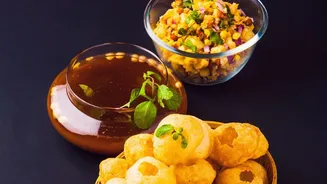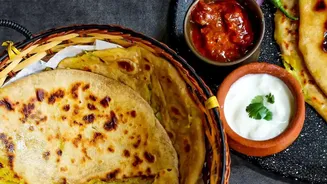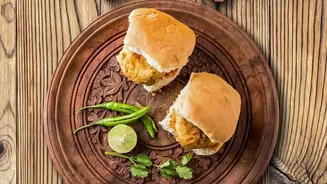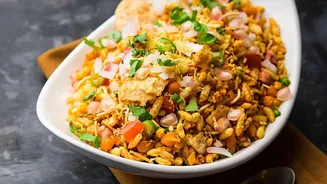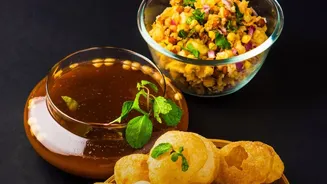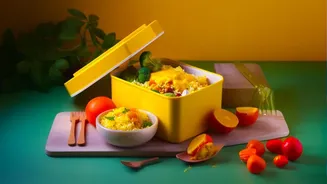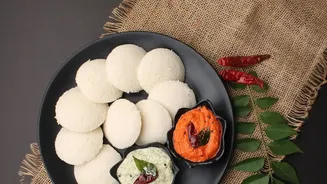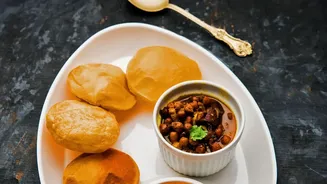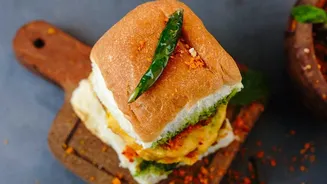

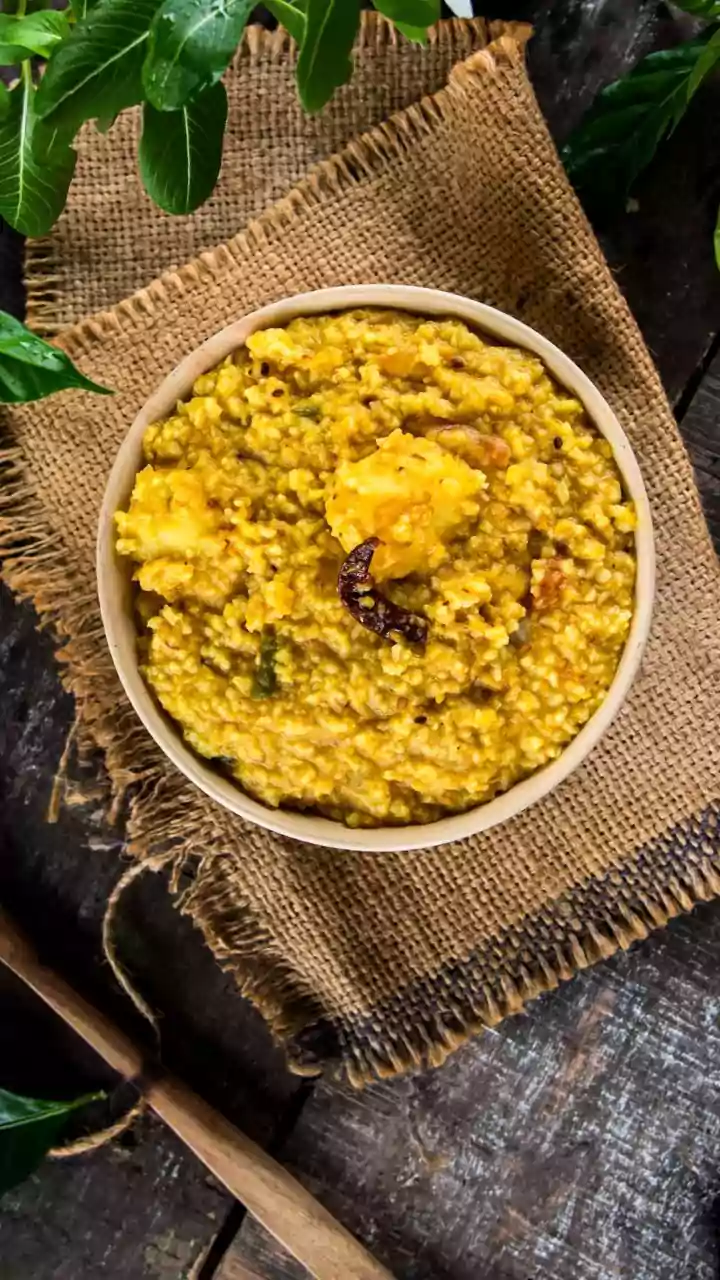
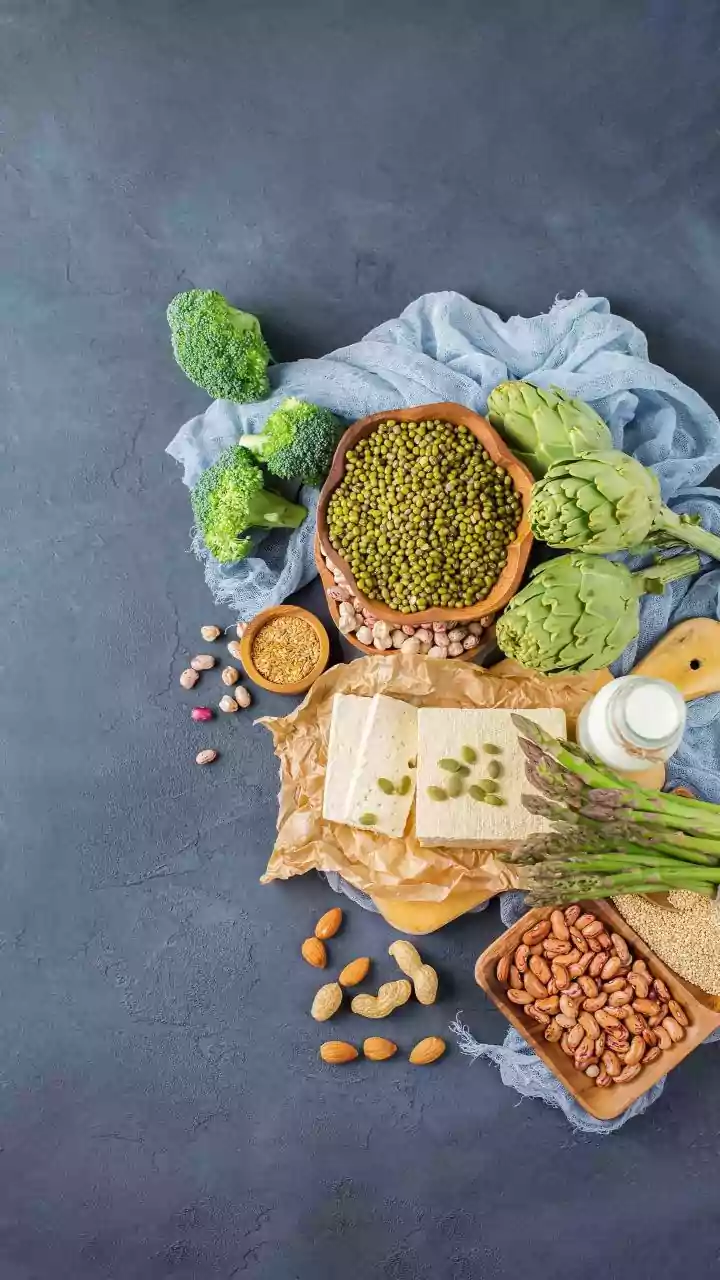

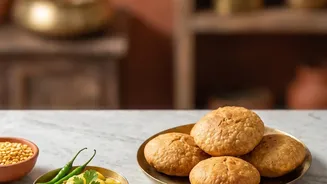
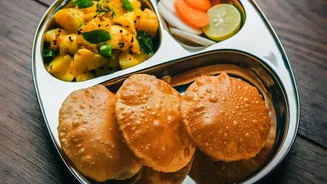
The sizzle of a hot tava, the explosion of flavour from a pani puri. Indian street food is a love affair. But for the health-conscious, it’s a romance fraught with worry. What if you could have it all? The taste, the joy, and complete peace of mind.
The Ingredient Gold Standard
The
single greatest advantage of recreating street food magic at home is your role as the sole quality controller. Street vendors, often operating on tight margins, may opt for ingredients that prioritise profit over purity, such as lower-grade oils, refined flour (maida), and produce that isn’t at its peak freshness. When you cook in your own kitchen, you choose. You can use heart-healthy oils like groundnut or even olive oil instead of palm oil that has been reheated multiple times, a practice which can increase unhealthy fats. You have the power to swap maida for whole wheat (atta) or nutrient-dense millet flours in your samosa pastry or puris. You can pack your bhel puri with a colourful abundance of fresh, crisp sprouts and vegetables, dialling down the fried sev. This level of control allows you to significantly boost the nutritional value of every single bite, turning a so-called guilty pleasure into a genuinely wholesome treat.
An Unbeatable Hygiene Guarantee
Let's be honest: a large part of the hesitation around street food comes from valid hygiene concerns. Questions about the source of the water in pani puri, the cleanliness of the vendor's hands after handling cash, or how long chutneys have been sitting in the open are common. These worries completely dissolve within the four walls of your own kitchen. You control the environment entirely, from washing vegetables with clean, filtered water to ensuring every utensil and surface is spotless. This is not merely about avoiding a temporary stomach upset; it is about eliminating the risk of more serious foodborne illnesses like typhoid or hepatitis, which can be linked to food prepared in unsanitary conditions. The peace of mind that comes from knowing exactly what went into your food and how it was handled is a flavour that no street vendor can replicate.
A Healthier Cooking Method Makeover
Much of the 'unhealthy' reputation attached to beloved Indian snacks stems from one primary cooking method: deep frying. While undeniably delicious, it adds a significant amount of fat and calories. At home, you have an entire arsenal of modern, healthier cooking techniques at your fingertips. Craving samosas or cutlets? Bake them in an oven until golden and crisp, using a fraction of the oil. Yearning for pakoras? An air fryer can produce remarkably crunchy results with just a light spritz of oil. You can pan-fry tikkis to achieve a perfect crust instead of submerging them in fat. This is not about deprivation; it is about innovation. By simply changing the cooking method, you can retain the textures and tastes you love while fundamentally improving the snack's nutritional profile, making it something you can enjoy more often.
Your Snack, Your Rules
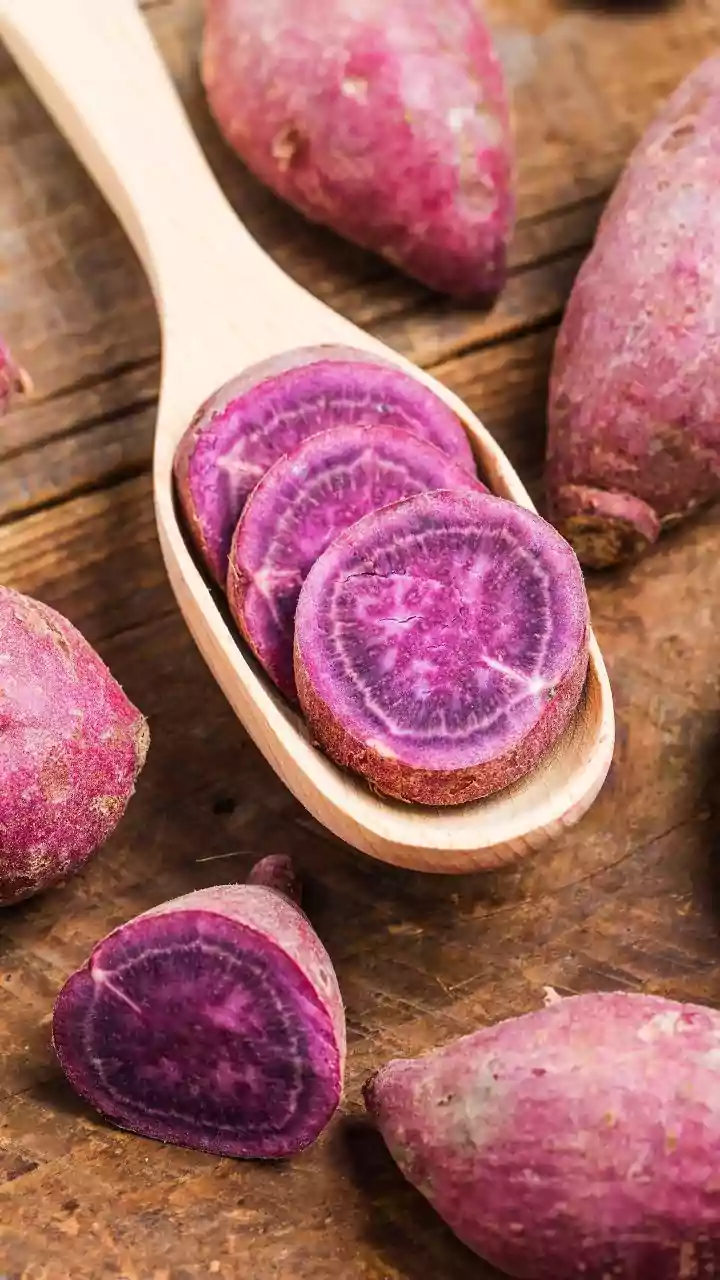
Are you trying to reduce your salt intake? Do you prefer things spicier or milder? Does someone in your family have a food allergy? Homemade is the ultimate answer. Snacks made for the masses are often loaded with excess salt and sugar to make them more addictive. At home, you are the chef, and you set the rules. You can slash sodium and experiment with flavourful herbs and spices instead. You can substitute potatoes with sweet potatoes for a lower glycemic index tikki, use jaggery instead of refined sugar in your sweet chutneys, or create a gluten-free version of a classic chaat. This ability to tailor-make snacks to your specific palate and dietary needs makes them not just healthier, but often more delicious, because they are perfectly suited to your personal taste.