




Why Protein Diversity Matters
Protein is essential for muscle repair, immunity, and overall growth. Proteins are made of amino acids, nine of which are 'essential' because our bodies can't produce them. While animal products and soy contain all nine, most plant-based sources are 'incomplete',
meaning they lack one or more. The good news is that by eating a variety of plant foods throughout the day, you can easily get all the essential amino acids. Combining grains with legumes (like dal with rice) or beans with nuts creates a complete protein profile, ensuring your body gets everything it needs. This variety also provides a broader spectrum of vitamins, minerals, and healthy fats.
The Power of Pulses (Dal and Legumes)
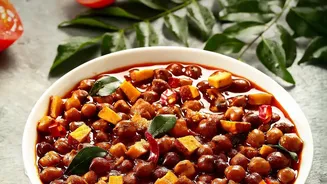
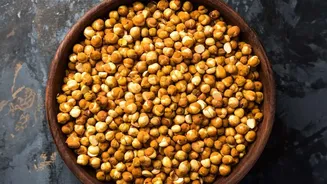
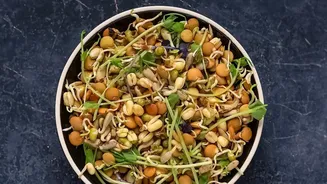
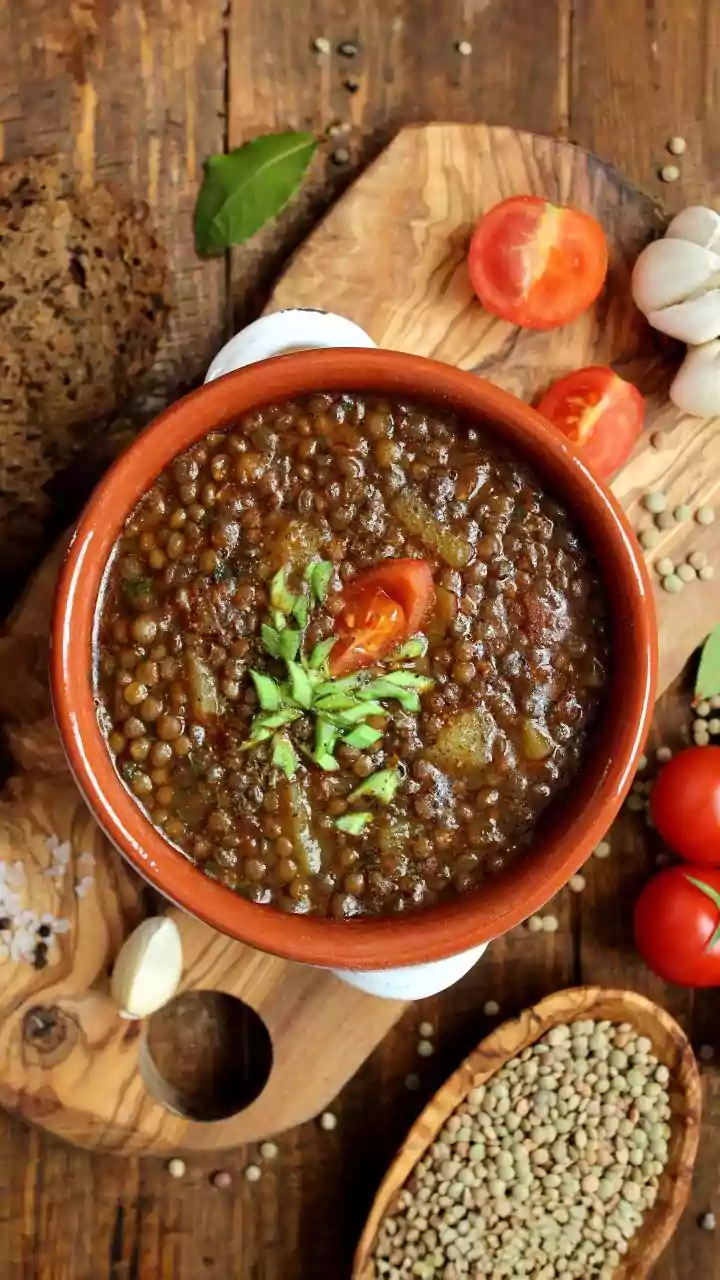
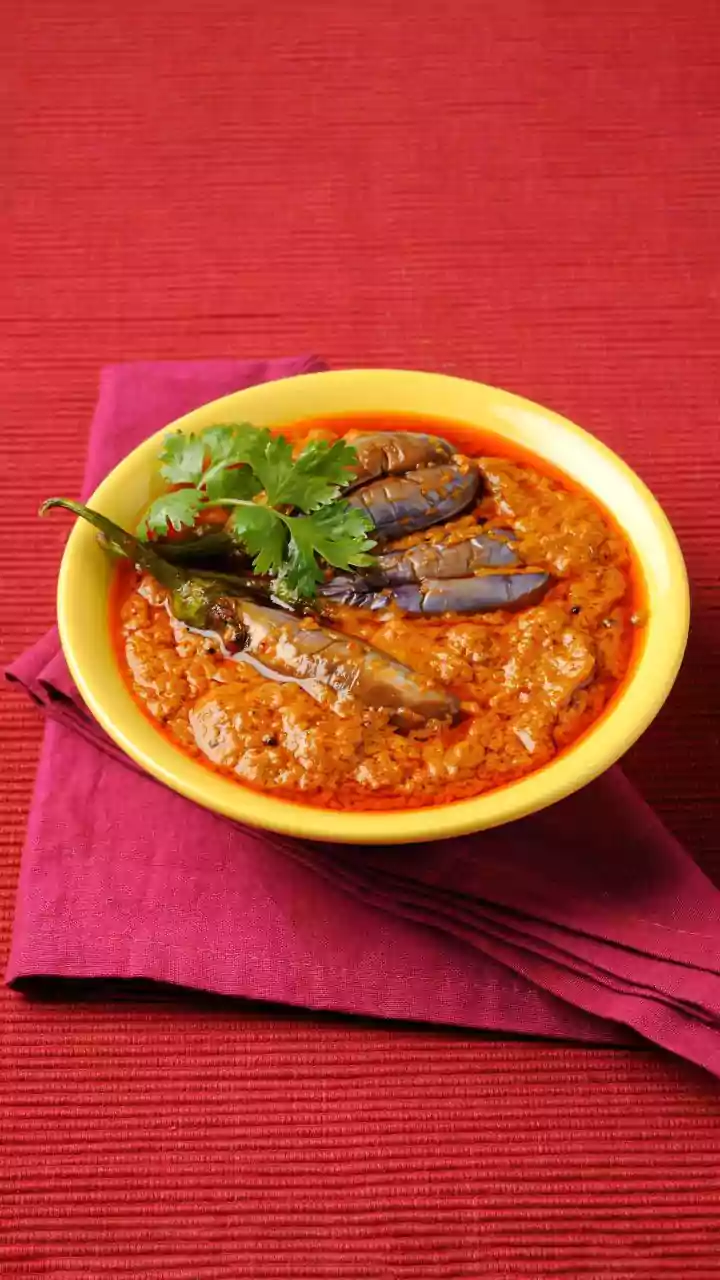
Pulses are the foundation of Indian vegetarian cooking and for good reason. They are inexpensive, versatile, and packed with protein and fibre. A single cup of cooked lentils (dal) can provide around 18 grams of protein. Moong dal is known for being easy to digest, while toor dal and masoor dal are everyday staples rich in iron. Rajma (kidney beans) and chana (chickpeas) are other powerhouses, offering about 15 grams of protein per cooked cup. Sprouting legumes like moong can also enhance nutrient absorption and digestibility. Including a different dal or legume each day is a simple way to diversify your intake.
Nutrient-Dense Nuts for More Than Protein
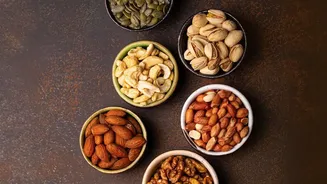
Nuts are nutritional powerhouses that offer healthy fats, fibre, and antioxidants in addition to protein. Almonds are a great source of Vitamin E, with about 23 nuts providing 6 grams of protein. Walnuts are celebrated for their high content of omega-3 fatty acids, which are crucial for brain and heart health. Even the humble peanut is a fantastic source, with peanut butter being a simple way to add protein to a meal. A daily handful of mixed nuts serves as an excellent snack, boosts energy levels, and contributes to long-term health by helping to lower bad cholesterol.
Super Seeds to Sprinkle and Blend
Don't underestimate the nutritional might of tiny seeds. Chia seeds and flaxseeds are exceptional sources of omega-3 fatty acids and fibre. Just two tablespoons of chia seeds can offer around 5 grams of protein. Flaxseeds are best consumed ground to improve nutrient absorption. Pumpkin seeds and sunflower seeds are also excellent sources of protein, magnesium, and zinc. They are easy to incorporate into your diet; sprinkle them over salads, add them to yoghurt or oatmeal, or blend them into smoothies for a seamless nutritional upgrade.
Putting It All Together
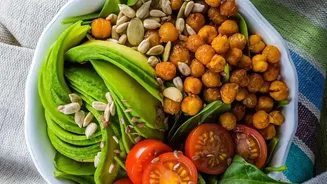
Building a diverse protein portfolio doesn't require a complete dietary overhaul. It's about making small, consistent additions. Start your day with oatmeal topped with flaxseeds and walnuts. For lunch, a rajma or chana salad provides a robust protein and fibre hit. Pair your evening dal with rice or roti to create a complete protein meal. Snack on a mix of roasted seeds and almonds instead of processed options. By consciously including a mix of pulses, nuts, and seeds daily, you move beyond relying on a single source like soy and build a more resilient, flavourful, and nutritionally complete vegetarian diet.