





The Rise of the Digital Dining Table
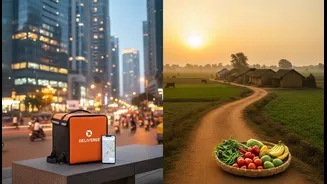
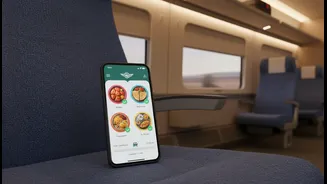
Not long ago, ordering a meal from a restaurant was an occasional treat. Today, for millions of Indians, it's a daily convenience facilitated by smartphones and a booming online food delivery market. India’s online food delivery market was valued at over
USD 55 billion in 2025 and is projected to grow at a staggering rate. Platforms like Zomato and Swiggy have become integral to urban lifestyles, driven by convenience, a wide variety of choices, and the time saved from cooking. Studies show that a majority of users in major cities order food multiple times a week, fundamentally altering meal consumption patterns. This shift is no longer confined to metros; rising incomes and internet penetration are pushing these services into Tier-2 and Tier-3 cities, making online ordering a mainstream habit across the nation.
A Double-Edged Digital Sword
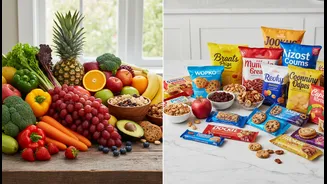
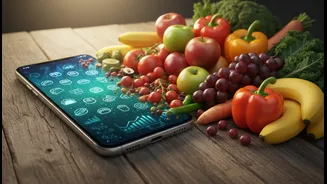
The internet’s influence on diet is a classic case of two sides of the same coin. On one hand, it provides unprecedented access to information. People can use search engines and apps to learn about nutritional values, find healthy recipes, and increase their overall nutritional literacy. Government initiatives like the POSHAN Abhiyaan are also leveraging digital tools to spread awareness about malnutrition and anemia. However, the flip side is a significant and concerning trend. The convenience of food apps often leads to a higher intake of processed, high-calorie restaurant food. Research indicates that frequent users of food delivery apps have a higher caloric intake and may experience reduced dietary diversity. One study found that home-cooking frequency was reduced by 28% among regular app users, contributing to a greater reliance on outside food.
The Social Media Effect
Beyond delivery apps, social media platforms like Instagram, YouTube, and TikTok have become powerful, unregulated influencers of what Indians, particularly the youth, choose to eat. Visually appealing posts of high-calorie foods, junk food challenges, and influencer marketing by fast-food giants can shape dietary preferences and normalize unhealthy eating habits. Studies have found a significant correlation between increased social media usage and abnormal eating behaviours, including binge eating. One cross-sectional study noted that 65% of young adult participants followed food influencers, and 47% were highly affected by social media in their eating attitudes, often linking this influence to weight gain from junk food. This digital environment constantly bombards users with tempting, often unhealthy, options, making it a major public health concern.
A New Frontier for Nutrition Research
This digital shift is forcing nutrition researchers to rethink their methods. Traditional approaches, such as food diaries and recall-based surveys, are becoming less reliable in an era where a single click can bring a vast array of foods to one's doorstep. It is increasingly difficult to capture the full picture of an individual's dietary intake without accounting for their digital behaviour. Researchers are now exploring 'Nutrition Informatics', a field that integrates data science with nutrition to better understand these new patterns. This involves analyzing data from food delivery platforms, social media trends, and online search behaviour to get a more accurate and real-time view of consumption. However, India has historically underinvested in nutrition research, and this new digital variable adds another layer of complexity to the nation's existing 'dual-nutrition burden' of co-existing undernutrition and over-nutrition.