








The Rise of the Lunar Delivery Service
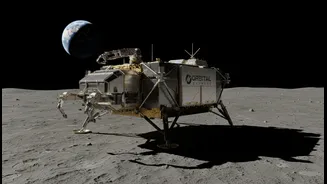
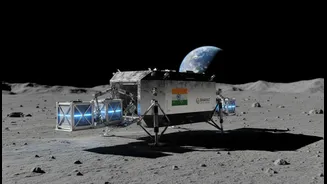
First, let's clarify what most of the current commercial lunar missions are. Through its Commercial Lunar Payload Services (CLPS) initiative, NASA is essentially hiring private companies to act as interplanetary couriers. Companies like Intuitive Machines
and Firefly Aerospace are contracted to provide an end-to-end delivery service for scientific instruments and technology demonstrations. Their primary job is to transport a specific payload from Earth and land it safely on the lunar surface. Think of it as a highly specialized, high-stakes FedEx for the Moon. NASA accepts that this is a risky venture, with some missions expected to fail as the industry develops. The success of a CLPS mission is measured by the successful delivery and operation of its cargo. Even a lander that tips over, like Intuitive Machines' Odysseus, can be considered a partial success if it delivers its payloads and returns data. These are one-off, service-based contracts designed to get specific scientific and tech-demo payloads to various lunar locations quickly and affordably.
Building a Neighborhood on the Moon
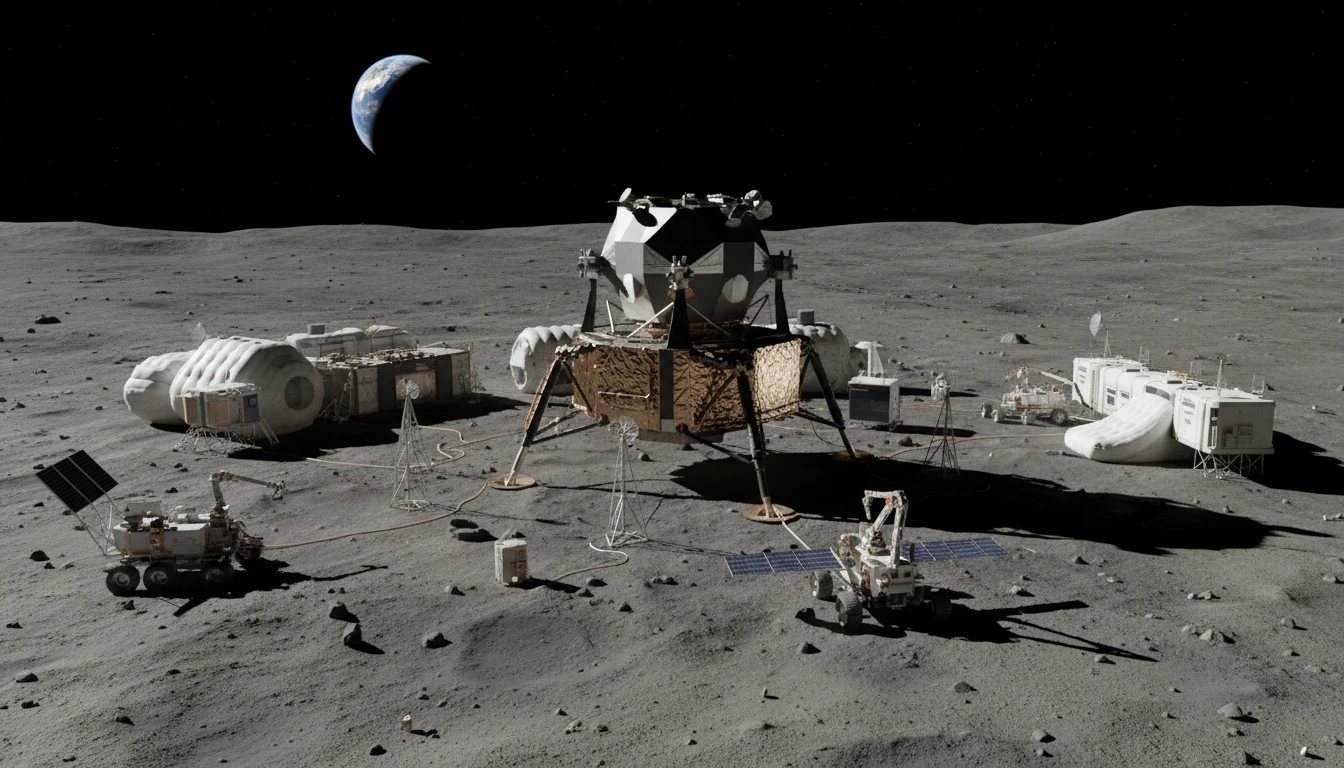
Lunar surface infrastructure, on the other hand, is a completely different beast. This isn't about one-off deliveries; it's about establishing a long-term, sustainable human presence. This is the vision behind NASA's Artemis Base Camp: a permanent outpost at the Moon's south pole. Infrastructure means building the foundational elements of a settlement: habitats for astronauts, reliable power generation and storage systems, communication networks, landing pads, and roads. It involves developing technologies for in-situ resource utilization (ISRU), like extracting oxygen from lunar regolith or mining for water ice. This is a massive, integrated construction and engineering project, more akin to building a remote Antarctic research station or an industrial park than to a simple delivery. This requires not just landers, but also rovers for mobility, construction equipment, and systems designed to work together for years in the harsh lunar environment.
Why Conflating the Two is a Problem
When we blur the lines between delivery and infrastructure, we create unrealistic expectations and misinterpret progress. A failed landing on a CLPS mission—a delivery truck crashing, essentially—can be wrongly perceived as a catastrophic setback for the entire goal of lunar settlement. This fundamental misunderstanding of scope and risk can erode public and political support. The CLPS initiative was designed with a high tolerance for risk, viewing each mission as a 'shot on goal' to spur a new commercial market. These are experimental, relatively low-cost attempts. In contrast, building the Artemis Base Camp is a methodical, multi-billion-dollar national and international endeavor where failure carries much heavier consequences. Judging a delivery service by the standards of a permanent settlement project is a recipe for perpetual disappointment. It also distracts from the distinct engineering and business challenges unique to each.
Different Missions, Different Metrics for Success
The business models are fundamentally different. CLPS vendors operate on fixed-price contracts to deliver payloads. Their success is transactional. Infrastructure development, funded through programs like the Human Landing System (HLS), involves long-term partnerships to create durable, human-rated systems that must integrate seamlessly. The SpaceX Starship HLS, for instance, isn't just delivering a box; it's part of an architectural plan to support astronaut crews, facing immense technical hurdles like in-orbit refueling to get the job done. Furthermore, the challenges of infrastructure involve planning for proximity; as more assets are placed on the surface, the risk of damage from landing exhaust and regolith spray becomes a serious concern that requires careful coordination. The success of lunar infrastructure will be measured in years of sustained operations, scientific discoveries made by astronauts on-site, and the successful use of local resources, not just a successful touchdown.
A Clearer Path Forward
Making a clear distinction between these two efforts is vital for everyone involved. For engineering students, it separates the challenge of designing a reliable, single-mission lander from the complex systems integration required for a permanent habitat. For investors and policymakers, it clarifies risk profiles and funding needs. A delivery market can tolerate failures as part of its growth, while critical infrastructure cannot. For space enthusiasts, it provides a more accurate framework for following our progress. The CLPS missions are the robotic pathfinders, scouting locations and testing technologies that will inform the placement and design of future infrastructure. They are a necessary precursor, a service that enables the larger vision. But the delivery van is not the house. Recognizing this allows us to celebrate the successes of commercial deliveries for what they are—milestones in creating a lunar logistics economy—while keeping our eyes on the much larger, more challenging prize of building a lasting home on the Moon.