



A high-altitude rescue of six Indian trekkers in Nepal's Himalayas has concluded not just with relief, but with penalties. The incident highlights a growing tension between adventure tourism and the strict rules designed to ensure safety.
A Rescue at 4,500 Metres
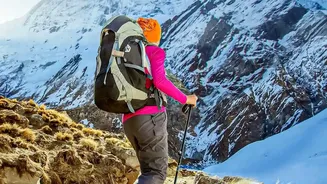
Six Indian trekkers
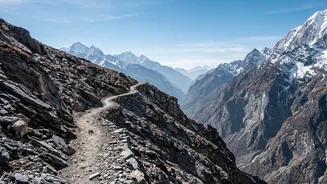
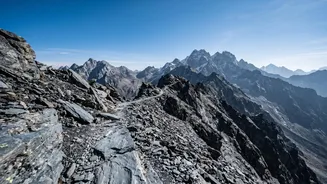
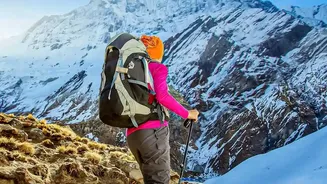
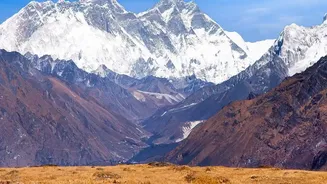
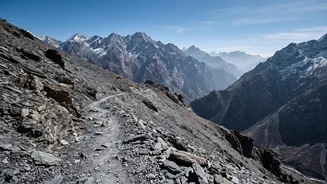
found themselves stranded in heavy snowfall in Nepal's remote Upper Dolpa region before being rescued by helicopter on Monday. The group, identified as Momita Haldar, Piyali Kole, Jajala Trived Kumar, Aditya Singh, Dipalina Biswas, and Rajesh D, lost contact on October 31 after getting caught in hazardous weather near the Numala-Bungla pass, an altitude of around 4,500 metres. With no communication lines, a porter who was with them had to descend to a village to raise the alarm. Fortunately, the trekkers were found in good health after a costly rescue operation. Officials stated the government spent around one million rupees (approximately ₹6.6 lakhs) on the helicopter rescue, which required multiple flights.
Why Penalties Were Imposed
The relief of a safe rescue quickly turned to official censure. Authorities discovered the group had entered the Upper Dolpa region—a restricted trekking area—without the necessary permits and without a registered guide. Officials stated the trekkers had deliberately used alternative routes to bypass checkpoints. Furthermore, the group embarked on their trek despite widespread warnings from the district administration to avoid high-altitude areas ahead of Cyclone Arnab, which was forecast to bring heavy rain and snow between October 28 and 30. For these violations, each trekker was fined. While the maximum fine for entering a restricted area is 50,000 rupees, authorities showed some leniency, charging each trekker 20,000 rupees plus a $40 permit fee, citing their limited knowledge of the regulations and remote terrain.
Nepal's Strict Trekking Mandates
This incident serves as a stark reminder of Nepal's stringent trekking regulations, which were tightened significantly in recent years for safety reasons. As of April 2023, all foreign trekkers in Nepal are required to hire a government-licensed guide and obtain a Trekkers' Information Management System (TIMS) card through a registered trekking agency. Solo trekking for foreigners is now illegal. These rules were implemented to reduce the number of tourists who go missing—estimated at 40 to 50 people annually—and to ensure a swift response in emergencies. Trekking in designated 'Restricted Areas' like Upper Dolpa, which are often near international borders, requires an additional special permit from the Department of Immigration, which can only be secured through an authorised agency for groups of at least two trekkers. Violators face fines, deportation, and can even be barred from re-entering Nepal.
A Costly Lesson for Adventurers
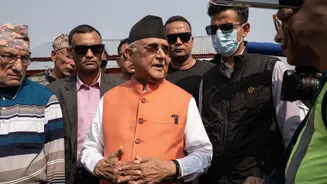
The Dolpa incident underscores the immense risks of underestimating the Himalayas and flouting local laws. The rescue operation diverted precious resources from Nepal's disaster management fund, a point of frustration for local officials. Dolpa's Chief District Officer, Junu Hamal Dhakal, criticised the group's 'irresponsible behaviour' for ignoring repeated warnings from locals, their own guide, and security personnel, putting both their own lives and those of their rescuers in danger. For Indian nationals, who enjoy visa-free travel to Nepal, the incident is a crucial lesson. While entry is easy, the rules of the mountains are universal and non-negotiable. The allure of the Himalayas is undeniable, but the cost of an unprepared or illegal trek can be far greater than just a fine.