






Go Back to Basics with Cleansing
High humidity means more sweat, oil, and grime clinging to your skin, creating a perfect environment for breakouts. Dermatologists stress the importance of cleansing twice a day, but the key is to do it without stripping your skin’s natural moisture barrier.
Over-washing with harsh, high-lather soaps can compromise this barrier, leading to irritation and even more oil production. Instead, opt for a gentle, soap-free, pH-balanced cleanser. Look for ingredients like salicylic acid if you’re acne-prone, as it helps dissolve oil and decongest pores effectively. This foundational step ensures your skin is a clean canvas, ready to absorb the benefits of the rest of your routine.
Exfoliate Smarter, Not Harder
With dead skin cells and excess sebum building up faster in damp weather, exfoliation is non-negotiable. However, this is not the time for aggressive physical scrubs with rough particles, which can cause micro-tears and inflammation. The dermatologist-preferred method is chemical exfoliation. Products containing Alpha Hydroxy Acids (AHAs) like glycolic or lactic acid, or Beta Hydroxy Acids (BHAs) like salicylic acid, work by gently dissolving the bonds between dead skin cells. Incorporate a mild chemical exfoliant into your routine 2-3 times a week. This will keep your pores clear, prevent dullness, and reduce the likelihood of fungal acne, a common monsoon woe that thrives in humid conditions.
Lighten Up Your Moisturiser
It’s a common mistake to skip moisturiser when your skin feels oily or sticky. Your skin still needs hydration, even in high humidity. The trick is to switch your product. That thick, heavy cream you loved in the winter will now likely feel suffocating and clog your pores. Dermatologists recommend transitioning to a lightweight, non-comedogenic (meaning it won't clog pores) moisturiser. Look for gel-based or water-based formulas. Ingredients like hyaluronic acid are fantastic as they attract and hold water in the skin without adding oiliness. A light hydrator will keep your skin barrier healthy and balanced, preventing it from overproducing oil to compensate for dehydration.
Never Skip Sunscreen, Even on Cloudy Days
This is perhaps the most crucial piece of advice. The sun’s harmful UVA and UVB rays penetrate cloud cover and can cause significant damage, from premature ageing to hyperpigmentation. Many people mistakenly believe that sunscreen is only for bright, sunny days, but dermatologists are unanimous: you need sun protection every single day, rain or shine. The greasy feeling of traditional sunscreens can be a deterrent, so the rainy season is the perfect time to explore modern formulations. Opt for a gel-based, matte-finish, or serum-like sunscreen with at least SPF 30. This will provide essential protection without feeling heavy or contributing to monsoon stickiness.
Embrace a Minimalist Routine
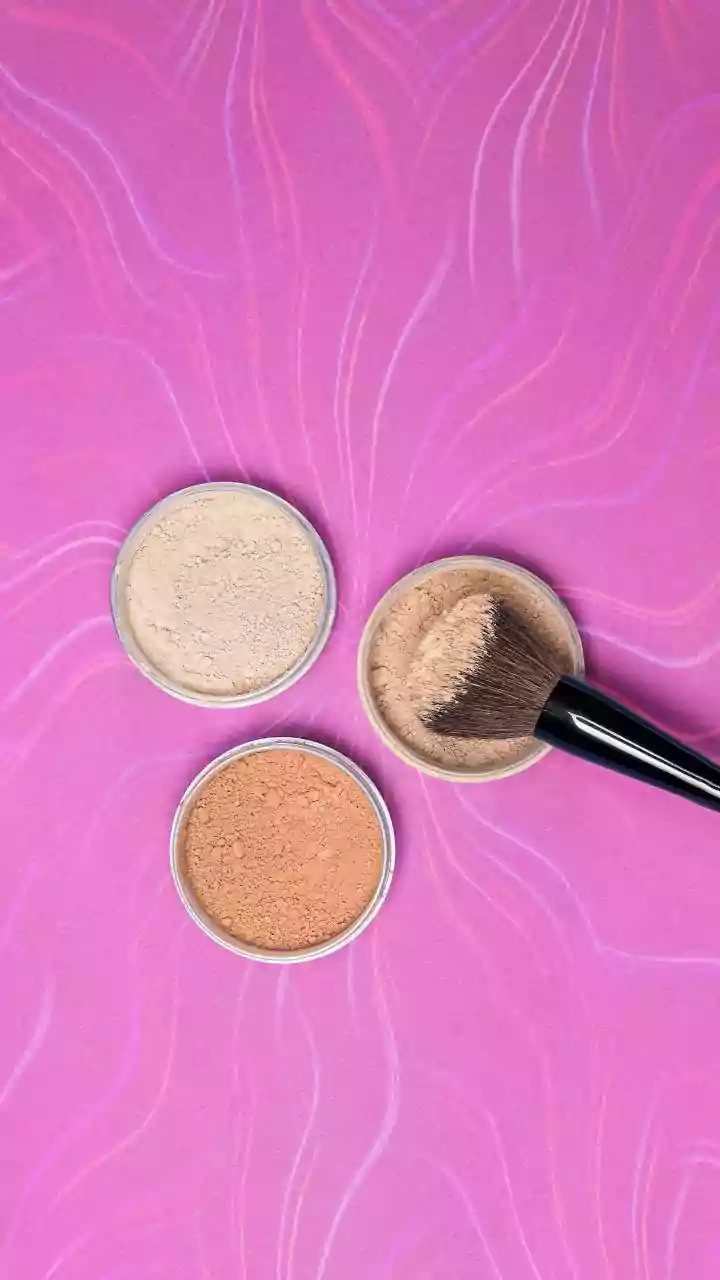
The humid, damp environment of the monsoon is not the time to experiment with a complicated, 10-step routine. Layering too many products can trap sweat and oil, leading to irritation and breakouts. The expert-approved approach is to pare back. Focus on the core pillars: a gentle cleanser, a lightweight moisturiser, and daily sunscreen. Add a targeted treatment like a vitamin C serum in the morning for antioxidant protection or a chemical exfoliant a few times a week. The same logic applies to makeup. Heavy, liquid foundations can be a recipe for clogged pores. Consider switching to a tinted moisturiser, a BB cream, or simply using concealer where needed and finishing with a light powder.