






The Inner World of an Astronaut
Before we blast off, let's talk about the gut microbiome. This isn't just about digestion; it's a complex community of trillions of bacteria, viruses, and fungi living in our digestive tracts. This inner ecosystem is vital for almost every aspect of our health.
It helps digest food, produces essential vitamins, regulates our immune system, and even influences our mood. A diverse and balanced microbiome is a cornerstone of good health on Earth. But what happens when you take that finely tuned system and place it in the most unnatural environment imaginable: space?
Space: A Hostile Takeover of the Gut
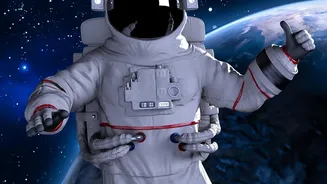
Long-duration spaceflight is a full-body assault. Astronauts contend with a unique cocktail of stressors, including microgravity, heightened radiation exposure, a confined and sterile environment, psychological stress, and a diet of pre-packaged foods. Each of these factors can wreak havoc on the gut microbiome. Recent studies, including analyses from NASA, show that the environment of space dramatically changes the composition and behaviour of these crucial gut microbes. These changes begin within weeks of arriving in space and can persist even after returning to Earth.
The Great Slowdown: Why Constipation is Common
One of the most immediate and well-documented issues for astronauts is digestive trouble, particularly constipation. For a long time, scientists suspected microgravity was the culprit, and recent research has provided a clear explanation. In the near-weightlessness of space, the movement of food through the digestive tract slows down significantly. This cosmic traffic jam has a critical knock-on effect. The bacteria in the gut, which normally feast on fiber and carbohydrates, run out of their preferred food source. As a result, they switch to fermenting protein instead. This process not only slows bowel movements but also produces by-products like ammonia and hydrogen sulfide, which, over long missions, could pose health risks.
Beyond Digestion: The Broader Health Risks
The consequences of a disrupted microbiome in space go far beyond digestive discomfort. Studies have shown shifts in the balance of gut bacteria, including a decrease in some beneficial anti-inflammatory microbes. This state, known as dysbiosis, is linked to a range of potential health problems. A weakened gut barrier can increase susceptibility to infections, a significant concern in a closed environment like the International Space Station. Furthermore, given the known links between gut health and the immune system, bone density, and even mental health, ensuring a healthy astronaut microbiome is critical for mission success. Researchers are actively studying these connections to prevent everything from infections to bone loss and psychological stress on future deep-space voyages.
Fueling the Future: Probiotics and Space Salads
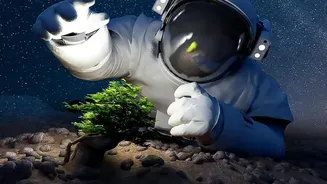
Scientists and space agencies are not just identifying the problems; they're actively working on solutions to protect astronaut health on missions to the Moon, Mars, and beyond. One of the simplest proposed countermeasures involves diet. Increasing the intake of fiber and slowly fermented carbohydrates—like vegetables and high-fiber foods—could provide gut bacteria with their preferred fuel, preventing the shift to unhealthy protein fermentation. Probiotics and prebiotics, supplements designed to support beneficial gut bacteria, are also being heavily researched. Looking further ahead, growing fresh produce in space, like the chili peppers and greens already cultivated on the ISS, will provide crucial nutrients and antioxidants, offering a fresh and vital line of defense for the gut.