


The Golden Rule: No Cotton
The single biggest mistake a first-time monsoon hiker can make is wearing cotton. Once wet, cotton clothes and jeans stay wet for hours, making you cold, heavy, and prone to chafing. Instead, build your wardrobe around synthetic, quick-drying fabrics.
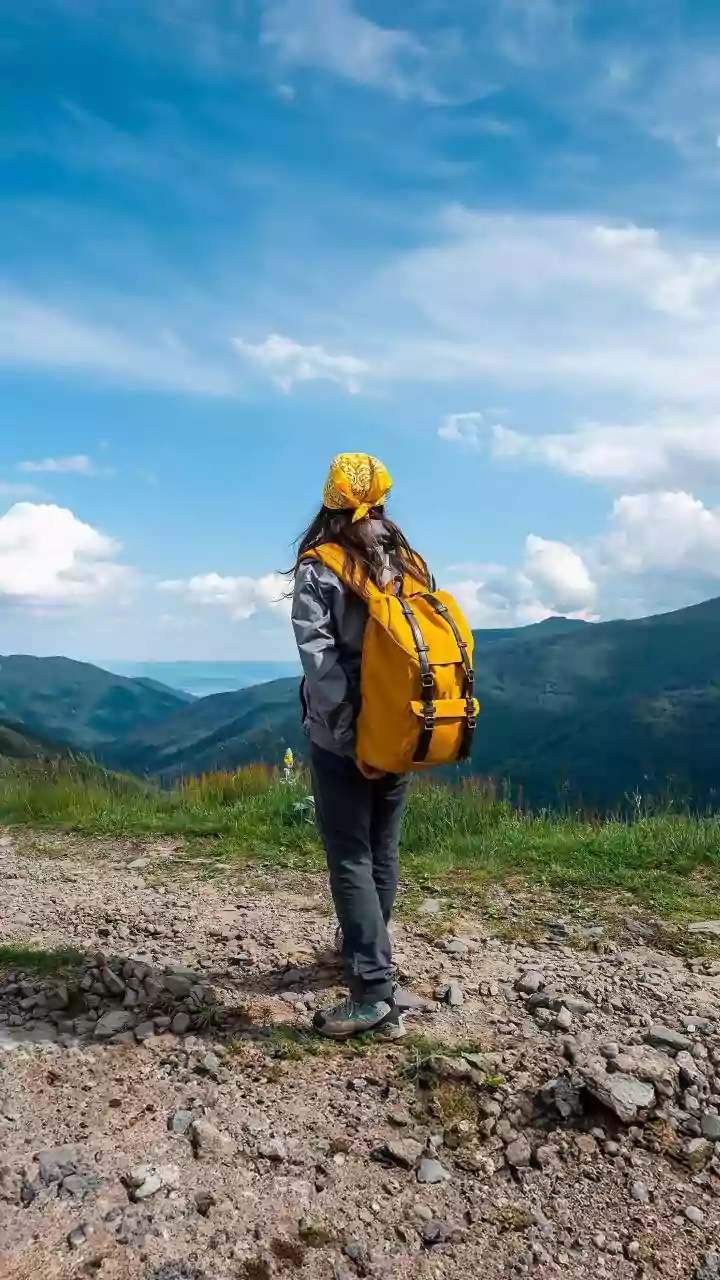
Pack two or three quick-dry t-shirts and a pair of lightweight, full-length trekking pants. These materials wick moisture away from your skin and dry rapidly after a downpour, keeping you comfortable. A light fleece jacket is also essential for cooler evenings at the campsite or higher altitudes.
Footwear: Grip is Everything
Monsoon trails are notoriously slippery, defined by mud, slick rocks, and flowing streams. Your footwear is your most critical piece of safety equipment. Invest in a pair of trekking shoes with deep grooves and excellent grip to prevent falls. While waterproof shoes sound ideal, they can sometimes trap water that gets in from the top, turning your shoes into mini buckets. An alternative is a pair of non-waterproof but quick-drying shoes with good drainage. Whichever you choose, pair them with synthetic or wool socks that don’t hold moisture. It’s also wise to carry an extra pair of lightweight sandals or floaters for relaxing at the campsite and letting your feet breathe.
Mastering the Art of Waterproofing
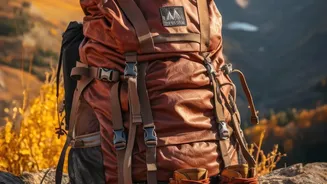
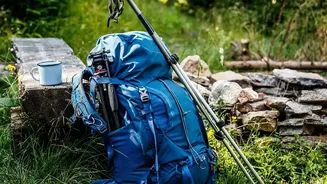
Staying dry is a three-part strategy. First is your personal rainwear. A poncho is a popular choice as it covers both you and your backpack, offering great ventilation. Alternatively, a good quality waterproof rain jacket and rain pants provide better freedom of movement. Second, protect your backpack. Even if your bag comes with a built-in rain cover, it's a good idea to double down. Line the inside of your rucksack with a large plastic bag or a dedicated pack liner before you start packing. Third, compartmentalise your essentials. Use smaller dry bags or reliable ziplock bags to store electronics, a change of clothes, and your first-aid kit. This ensures your critical gear stays dry even if your main bag gets damp.
Essential Gear for the Trail
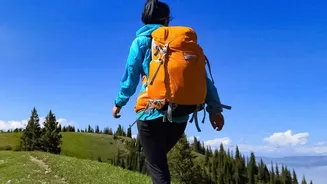
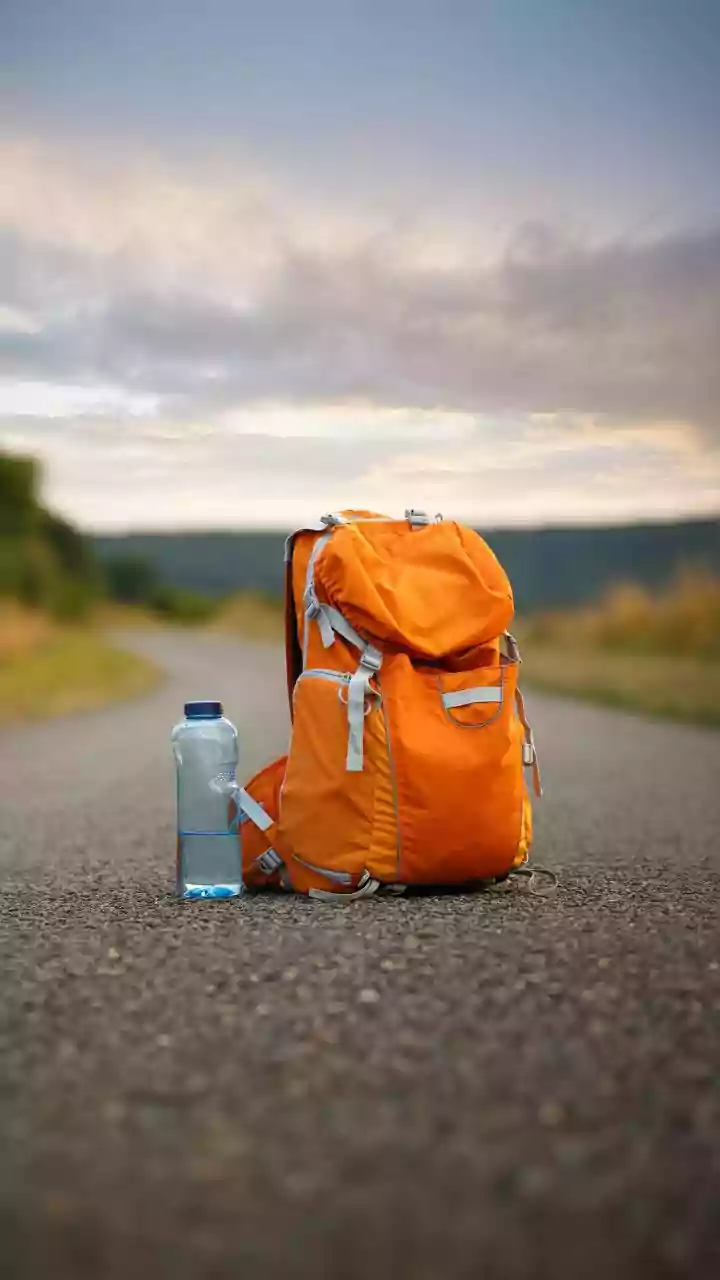
A few key items can significantly enhance your safety and comfort. A trekking pole is a non-negotiable for many, providing a third point of contact for stability on slippery descents. A headlamp is crucial, not just for night trekking but also for navigating inside a tent or during early morning starts. Carry at least two one-litre water bottles or a hydration bladder to stay hydrated. For an unexpected but useful hack, wear a sun cap under your raincoat's hood; its brim will keep rain from dripping onto your face and improve your visibility.
Your Monsoon-Specific First-Aid Kit
While a standard first-aid kit with antiseptic wipes, bandages, and pain relief is a must, monsoon treks require a few extra additions. Leeches are common in the wet forests of the Western Ghats and Himalayas. Carry a small bottle of hand sanitiser or a pouch of salt; applying a little causes leeches to detach safely without being pulled. Don't panic if you get a leech bite; the bleeding is due to an anticoagulant and usually stops on its own. Clean the wound and apply a bandage. Also include insect repellent, anti-fungal powder for your feet, and blister plasters (moleskin) to address hotspots before they become full-blown blisters.