



The Fallacy of 'More is More'
The common impulse when faced with clutter is to buy more storage. However, an army of mismatched bins and small organisers often creates more visual noise. Instead of a calm, cohesive space, you get a collection of 'stuff managers' that add to the problem.
Professional organisers note that one of the biggest mistakes people make is overdoing it with seemingly sensible storage solutions. These solutions can make a room feel smaller by taking up precious floor and surface space without offering a streamlined system. The goal is to create breathing room, not just to hide things away. Trying to cram too much behind closed doors is a recipe for disorganisation. Ultimately, your home can end up feeling like a storage unit rather than a living space.
Adopt a 'Curate First' Mindset
Effective organisation begins before you buy a single container. The first and most crucial step is to declutter. It is essential to be realistic about what your space can hold. Often, the problem isn't that your space is too small, but that you own too much for the available room. Adopting a minimalist approach by keeping only items that add value helps prevent the accumulation of unnecessary things. A simple rule to maintain balance is the 'one in, one out' principle: for every new item you bring home, an old one must go. Minimising is a permanent solution; once an item is gone, you no longer have to sort, dust, or reorganise it. Only after you've curated your belongings should you think about where to store what's left.
Measure Twice, Buy Once
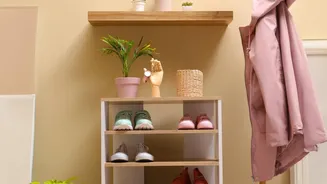
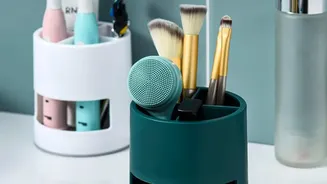
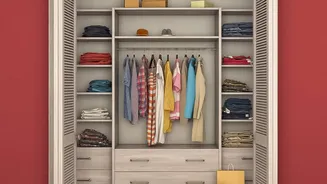
One of the fastest ways to waste money and space is to purchase storage solutions that don't fit properly. A few centimetres of mismatch can render a container unusable or create awkward dead zones in a closet or cabinet. Before you shop, measure your spaces precisely—internal drawer width, shelf depth, and clearance for doors. The aim is to find pieces that fit the space perfectly, maximising every inch. Instead of multiple small bins that slide around, a single, well-fitted drawer organiser or a shelf riser can bring order and visibility. This is especially true for kitchens and bathrooms, where categorised items stored in perfectly sized containers make daily routines smoother.
The Power of Vertical and Multi-Functional Pieces
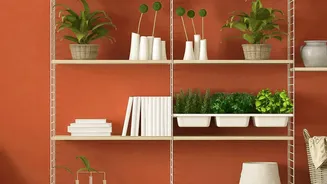
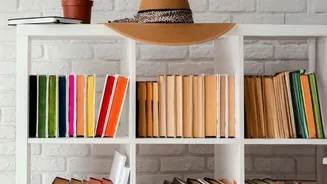
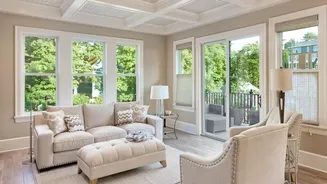
When floor space is limited, the only way to go is up. Utilising vertical space with tall bookcases or wall-mounted shelving is a cornerstone of small-space design. This approach draws the eye upward and frees up the floor, making a room feel more open. At the same time, choosing multi-functional furniture is key. A storage ottoman can serve as a coffee table, extra seating, and a home for blankets. A bed with built-in drawers eliminates the need for a separate dresser. In a small home, every piece of furniture should work hard. These dual-purpose items reduce the total number of pieces you need, creating a less crowded and more functional environment.
Invest in Quality Over Quantity
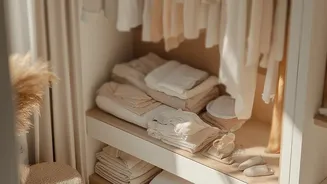
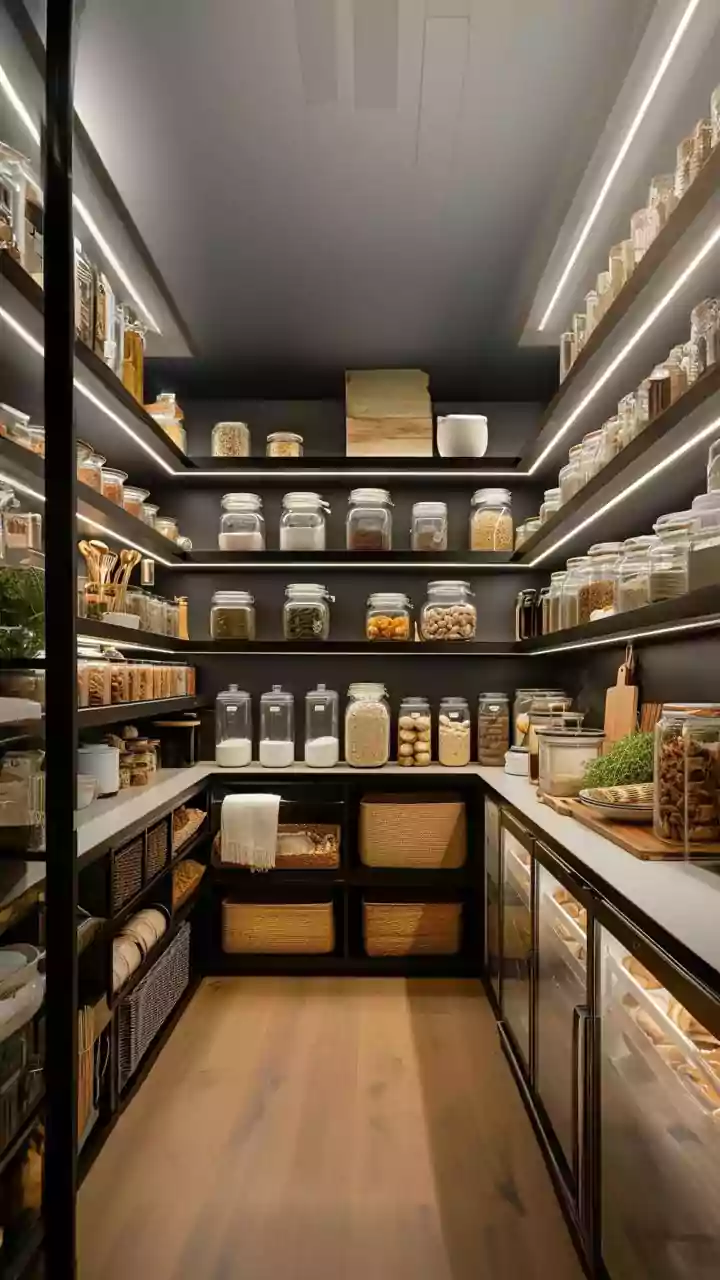
A few high-quality, well-designed pieces will almost always serve you better than a dozen cheap, flimsy ones. Well-made items not only last longer but also contribute to a sense of calm and intention. In a small space, every object has a bigger visual impact. A cohesive set of matching, sturdy containers looks more organised than a random assortment of plastic bins. This doesn't mean you need to spend a fortune, but it does mean being selective. The goal is to curate your storage solutions just as you curate your possessions, choosing pieces that are both functional and visually pleasing. A thoughtfully designed space with fewer, better things feels more like a sanctuary and less like a storage locker.