







Think Like a Food Detective
The first rule of digital food hunting is to move beyond generic searches. Typing “street food near me” will likely lead you to commercialised, tourist-friendly spots. To find the real gems, you need to get specific. Think about the dish you're craving.
Are you in the mood for spicy vada pav, buttery pav bhaji, or perfectly crisp dosas? Start by searching for the specific dish name. This simple shift in strategy filters out the generalists and points you towards vendors who specialise in one or two legendary items. These are often the places that have perfected their craft over generations, serving a dedicated local clientele.
Master Google Maps Features
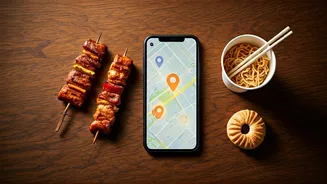
Google Maps is more than just a navigation tool; it’s a crowdsourced guide to culinary treasures. First, use the filters. After searching for a dish, tap “Filter” and sort by “Top rated.” A 4.5-star rating with hundreds of reviews is a powerful signal. Next, dive into the reviews, but don't just skim. Use the search function within reviews to look for keywords like “authentic,” “fresh,” “crowded,” or even mentions of price. The “Photos” tab is your best friend. Look for pictures posted by users, not the business owner. Do you see long queues of happy customers? Does the food look consistently good across multiple photos? These visual cues are often more reliable than a written description. Pay attention to the timestamps on reviews and photos; a place that was great two years ago may not be the same today.
Follow the Digital Breadcrumbs
The most beloved street food stalls often have a minimal online presence—sometimes just a pin on a map dropped by a loyal customer. This is where your detective work comes in. When you find a promising but sparse listing, look for clues. Do the photos show a distinctive landmark, a uniquely painted wall, or a specific street corner? You can use these visual markers in Street View to confirm the location’s permanence. Also, look at the “Popular times” graph. A stall that is packed from 6 PM to 8 PM on weekdays is clearly a local after-work favourite. This data helps you not only find the stall but also know the best time to go (or to avoid the biggest rush).
Leverage Foodie Communities
Digital maps are one half of the equation; the other is the vibrant community of online foodies. Platforms like Instagram and YouTube are treasure troves of information. Search for hashtags like #[City]StreetFood (e.g., #MumbaiStreetFood) or follow local food bloggers and vloggers. When you see them raving about a particular stall, they often tag the location or describe its whereabouts. Your next step is to take that information back to your map app. Search for the vendor's name or the nearby landmark they mentioned. Cross-reference the visual information from the video with photos on the map listing to ensure you’ve found the right spot. This two-step process—discover on social media, locate on maps—is one of the most effective ways to find places that haven't yet hit the mainstream radar.
Build Your Own Culinary Map
As you discover these hidden gems, don’t let them fade into your search history. Use the “Save” function in your map app to create personalised lists. You could have a “Must-Try Chaat” list, a “Late-Night Bites” list, or a “Weekend Breakfast Trail.” Tag each saved location with a short note, like “Famous for their green chutney” or “Closes by 9 PM.” This transforms your map into a personal food diary. The next time you're in a particular neighbourhood with a craving, you can simply open your custom list and see your curated collection of elite spots, ready for your next culinary adventure.