





Boost Immunity with the Right Foods
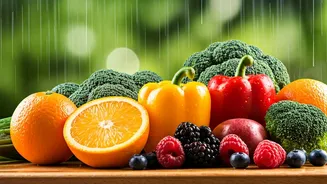
A strong immune system is your family's first line of defence against common monsoon infections like colds and flu. Incorporate foods rich in Vitamin C, such as citrus fruits like oranges and lemons, guava, and amla. These help increase the production
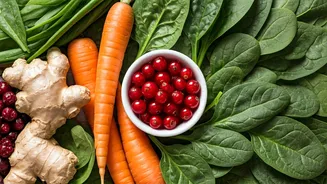
of white blood cells, which fight infections. Spices like turmeric, ginger, and garlic are also powerful allies. Turmeric contains curcumin, an anti-inflammatory compound, while ginger and garlic have antibacterial and antiviral properties. A warm glass of turmeric milk (haldi doodh) or a cup of ginger tea can be both comforting and protective.
Embrace Light and Warm Meals
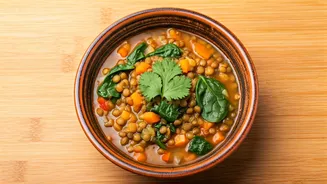
The high humidity during the monsoon can slow down our digestion. This is why it’s wise to switch from heavy, oily, and fried foods to lighter, easily digestible meals. Think of warm soups, steamed vegetables, and freshly cooked dishes like khichdi. These foods are gentle on the stomach and provide necessary nutrients without overburdening the digestive system. Heavy snacks like samosas and pakoras, while tempting in the rain, can lead to bloating and indigestion. Opt for steamed snacks like idli or dhokla instead.
Prioritise Safe Hydration
Water-borne diseases like typhoid and cholera are a major concern during the rainy season due to the increased risk of water contamination. It is crucial to ensure that your family drinks only boiled or filtered water. Avoid drinking water or juices from street vendors, as the source and hygiene can be uncertain. Instead, encourage everyone to drink plenty of warm water, herbal teas, or homemade soups throughout the day to stay hydrated and help flush out toxins.
Be Cautious with Raw Vegetables
Leafy green vegetables like spinach and cabbage can be risky during the monsoon as the dampness makes them susceptible to germs and mud. Similarly, raw salads should be avoided when eating out. The high humidity provides a perfect breeding ground for bacteria and fungi. If you are preparing leafy greens at home, be extra diligent. Wash them thoroughly, perhaps by soaking them in salt water, and always cook them well before eating. It's safer to opt for vegetables like bottle gourd, snake gourd, and bitter gourd during this season.
Support Gut Health with Probiotics
A healthy gut is key to a strong immune system. The monsoon season can sometimes disrupt the balance of good bacteria in the digestive tract. Including probiotic-rich foods in your family's diet is an excellent way to support gut health. Yoghurt (curd) and buttermilk are fantastic natural sources of probiotics. They help replenish beneficial bacteria, aid digestion, and can prevent common stomach issues. A bowl of curd with your lunch or a glass of spiced buttermilk can make a significant difference.
Limit Street Food and Seafood
As tempting as it is to enjoy street-side chaat and other snacks while it's raining, it is best to avoid them. The high exposure to open air and the potential use of contaminated water increase the risk of stomach infections. It is also advisable to limit the consumption of seafood like fish and prawns during the monsoon. This is often the breeding season for fish, and the risk of water contamination is higher, which can affect the quality and safety of the seafood. If you do consume meat or fish, ensure it is fresh and cooked very thoroughly.