




A sharp, stylish haircut often comes with a hidden cost: constant maintenance. The tapered undercut, however, offers a modern solution, blending a clean look with a surprisingly forgiving grow-out phase that keeps you looking sharp for longer.
What is a Tapered Undercut?
First, it's
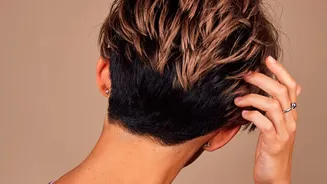
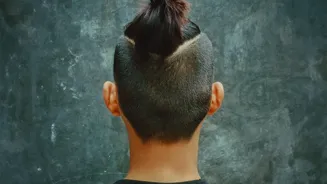
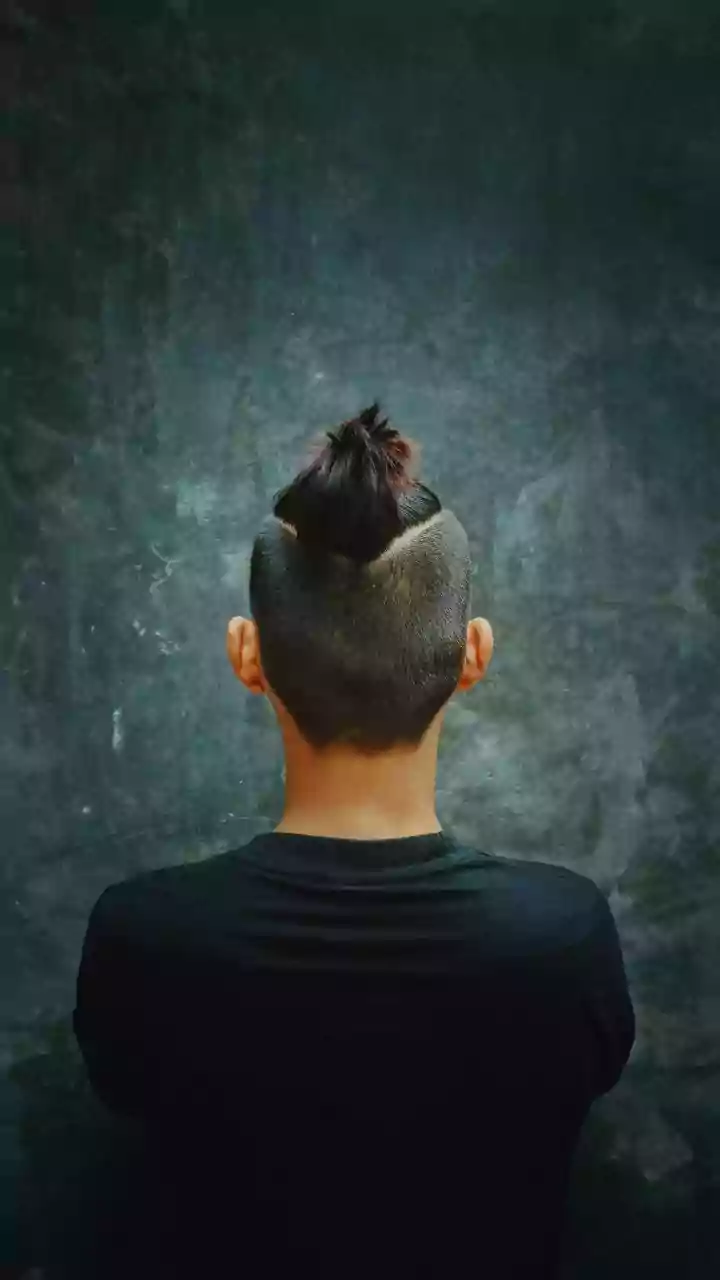
important to understand what makes this cut different. Unlike a classic 'disconnected' undercut, which features a harsh, dramatic line between the long hair on top and the very short sides, a tapered undercut blends these two sections. The hair on the sides and back gradually gets shorter from top to bottom, creating a soft, seamless transition or 'taper'. This technique avoids the stark contrast of a disconnected style, resulting in a look that is clean and structured but less aggressive. It’s a modern take that offers the best of both worlds: the sharp silhouette of an undercut with the polished finish of a classic taper.
The Graceful Grow-Out Advantage
The primary benefit of a tapered undercut lies in its grow-out phase. The hard line of a disconnected undercut becomes obvious and awkward as it grows, demanding frequent touch-ups every two to three weeks to maintain its sharpness. A tapered cut, by contrast, grows out much more naturally. Because the length is blended, there is no severe line to disrupt the hairstyle as the sides get longer. The gradual transition softens over time, making the in-between stages look intentional rather than unkempt. This allows you to go longer between barber visits—often up to six or eight weeks—without sacrificing your style.
Is This Cut Right For You?
Versatility is a key feature of the tapered undercut. It works well across a wide range of hair textures, including straight, wavy, and even curly hair. For those with curls, the soft taper can be particularly flattering, as it complements the hair's natural texture better than a sharp line might. The style is also adaptable to various face shapes and can be customised to suit your personal and professional life. Whether you wear the top slicked back, styled into a pompadour, or left messy and textured, the clean, tapered sides provide a solid foundation. It strikes a balance between being fashion-forward and office-appropriate.
How to Talk to Your Barber
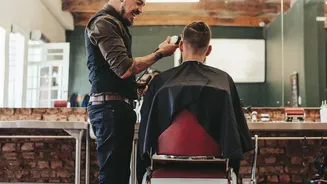
Clear communication is crucial to getting the cut you want. Simply asking for an 'undercut' can be misinterpreted. To get this specific style, use the word 'tapered' or 'blended'. Explain that you don't want a hard, disconnected line between the top and sides. You can say something like, 'I'd like an undercut, but can you taper the sides so it blends smoothly into the longer hair on top?'. Bringing a reference photo that shows the front, sides, and back is always a good idea. Also, be clear about how short you want the sides to be. You can specify a clipper guard number or simply ask for a soft taper that doesn't go down to the skin.
Styling and Maintaining the Look
While this haircut is low-maintenance, it is not 'no-maintenance'. For daily styling, a small amount of pomade, wax, or clay can be used to add texture and hold to the longer hair on top. When the sides start to grow out, a strong-hold product can help keep any stubborn hairs in place. If the hair on top is long enough, changing your parting can help conceal the growing sides and give you a fresh look. The goal is to keep the hair looking intentional. Regular trims every five to six weeks are generally sufficient to keep the shape clean without the constant upkeep required by more aggressive cuts.