






1. Fortify Your Home
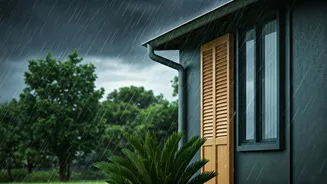
Your home is your primary shelter, so make it monsoon-proof before the first downpour. Conduct a thorough check for any cracks in the walls or ceiling and get them sealed to prevent leaks. Clean out your gutters and drains to ensure rainwater flows away
freely, preventing overflow and waterlogging around your property. It's also a wise investment to check the waterproofing on your terrace or roof, as a small leak can lead to significant damage over time.
2. Prioritise Electrical Safety
Water and electricity are a dangerous combination. Before the rains set in, have a licensed electrician inspect your home's wiring for any faults or exposed wires, especially on exterior walls. Install surge protectors for expensive electronics like your TV and computer to shield them from voltage spikes during thunderstorms. Make it a habit to unplug appliances during heavy rain and lightning as a precaution. Keep an electrician's number handy for emergencies.
3. Create a Pest-Free Zone
The monsoon is breeding season for mosquitoes, which carry diseases like dengue, malaria, and chikungunya. The most effective rule is to eliminate their breeding grounds. Do not allow water to stagnate in pots, coolers, old tyres, or any open containers around your home. Use mosquito nets at night, apply repellents, and consider installing mesh screens on windows to keep pests out while letting fresh air in.
4. Assemble a Monsoon Emergency Kit
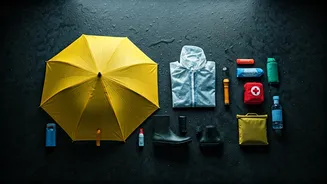
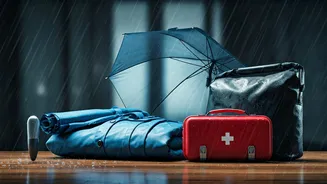
Power cuts and blocked roads can leave you stranded. A well-stocked emergency kit is non-negotiable. Your kit should include a powerful flashlight with extra batteries, a fully charged power bank for your phone, a first-aid box with essentials like bandages and antiseptic, and a stock of candles and matches. It's also smart to keep some non-perishable snacks and bottled water on hand for unexpected situations.
5. Practice Dietary Discipline
Your digestive system can be more sensitive during the monsoon. It's best to avoid eating from street food stalls, as the high humidity and risk of contaminated water increase the chances of infection. Stick to light, home-cooked meals. Ensure you are drinking only boiled or purified water. Boost your immunity by including foods rich in Vitamin C, like citrus fruits and leafy greens, in your diet.
6. Master the Monsoon Commute
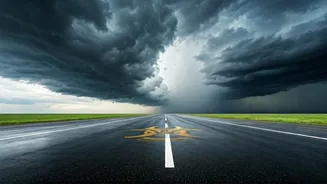
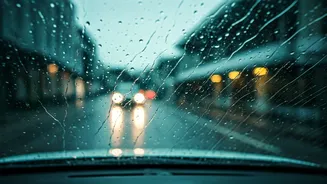
Navigating waterlogged streets is a major monsoon challenge. Before the season begins, get your car or two-wheeler serviced, paying special attention to tyres, brakes, and wipers. When driving, go slow and avoid submerged roads, as you can't see hidden potholes or open manholes. If you rely on public transport, be prepared for delays. Always check traffic updates before you leave home.
7. Update Your Wardrobe and Gear
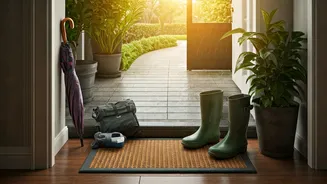
Getting drenched is unpleasant and can lead to fungal infections. Choose your clothing wisely. Opt for quick-drying synthetic fabrics like nylon and polyester over cotton, which stays damp for hours. Your footwear should be waterproof and have good grip to prevent slipping on slick pavements. Finally, invest in a sturdy umbrella and a quality raincoat that will withstand both wind and rain.
8. Protect Your Gadgets
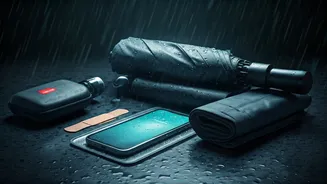
Humidity is the enemy of electronics. Protect your expensive gadgets from moisture damage. Use waterproof bags or simple zip-lock pouches for your phone, wallet, and chargers when you're on the move. To protect devices at home, consider placing silica gel packets in your laptop bag, camera case, or drawers where you store electronics to absorb excess moisture from the air.
9. Guard Your Health Diligently
The monsoon brings a spike in viral fevers, colds, and stomach infections. Practice good hygiene by washing your hands frequently with soap and water. Dry your feet and change out of damp clothes as soon as you get home. Be vigilant for any symptoms like persistent fever, body aches, or stomach issues. Do not self-medicate; consult a doctor promptly if you feel unwell.
10. Stay Informed and Connected
Information is your best defence in bad weather. Keep a list of emergency numbers—local municipality, disaster management, and hospitals—saved on your phone and written down. Use reliable weather apps or follow the India Meteorological Department (IMD) for forecasts and warnings. If a storm is predicted, make sure your family knows your whereabouts and your estimated travel time.