
What is Pushing the Universe Apart?
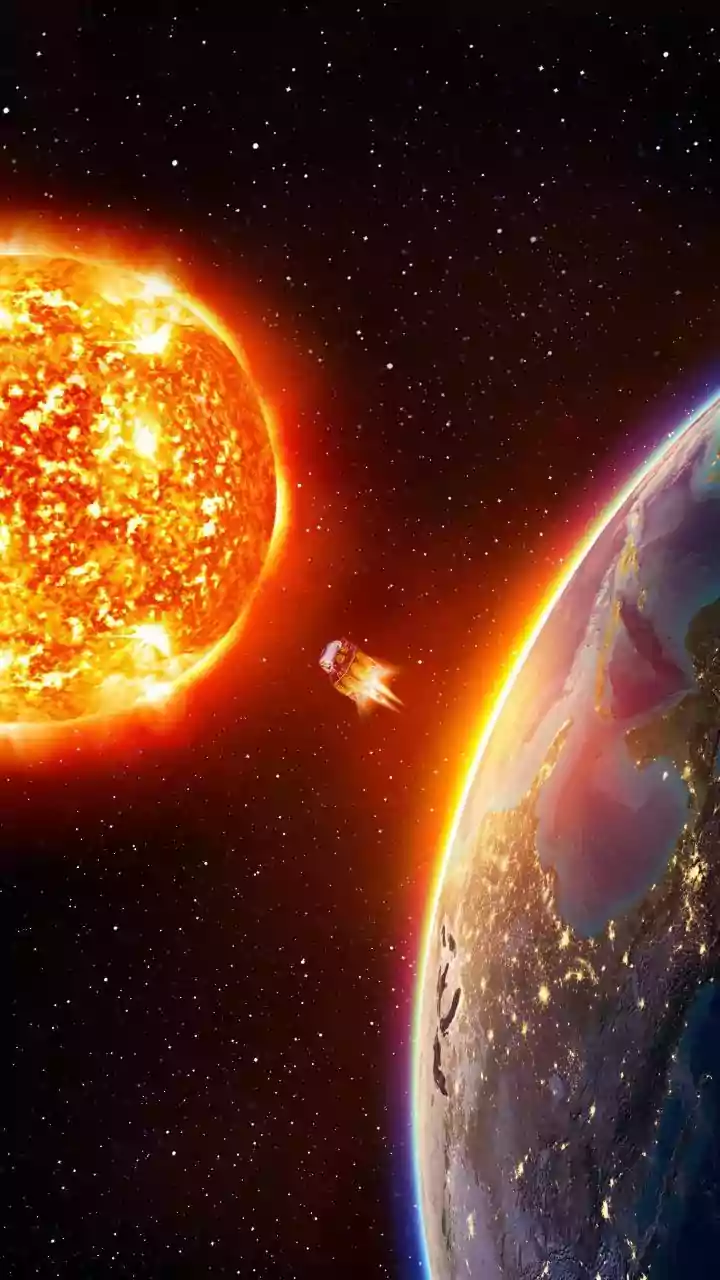
One of the most profound mysteries in science is dark energy. Scientists know the universe is not just expanding, but its expansion is speeding up. They believe an invisible force called dark energy, which makes up about 70% of the cosmos, is responsible,
but they don't know what it is. Roman will tackle this by creating a massive, 3D map of the universe. It will survey billions of galaxies and thousands of distant exploding stars called supernovae. By measuring how their light has stretched over cosmic time, astronomers can trace the history of cosmic expansion with unprecedented precision, giving us our best clues yet about the nature of this mysterious force.
Where Are the Other Earths?
We know planets are common, but Roman is designed to find thousands more in a whole new way. While missions like Kepler found planets by watching for the dip in a star's light as a planet passes in front (the transit method), Roman will primarily use a technique called gravitational microlensing. This method looks for a rare event where the gravity of a star and its planet acts like a lens, briefly magnifying the light from a more distant background star. This technique is sensitive enough to find planets much farther from their stars and even rogue planets that drift through space alone. Roman is expected to find thousands of new worlds, providing a more complete census of the planets in our galaxy.
Can We See a Planet Directly?
For the most part, astronomers 'detect' exoplanets indirectly. Seeing a faint planet next to its bright star is like trying to spot a firefly next to a searchlight. Roman carries a game-changing piece of technology called a Coronagraph Instrument to solve this very problem. This instrument is designed to block the overwhelming glare of a star, allowing the telescope to directly take pictures of planets orbiting it. While it is a technology demonstrator, the coronagraph will allow scientists to study the atmospheres of large, Jupiter-like planets and will pave the way for future missions aiming to take pictures of Earth-like planets around other stars.
How Does the Universe Look in Panoramas?
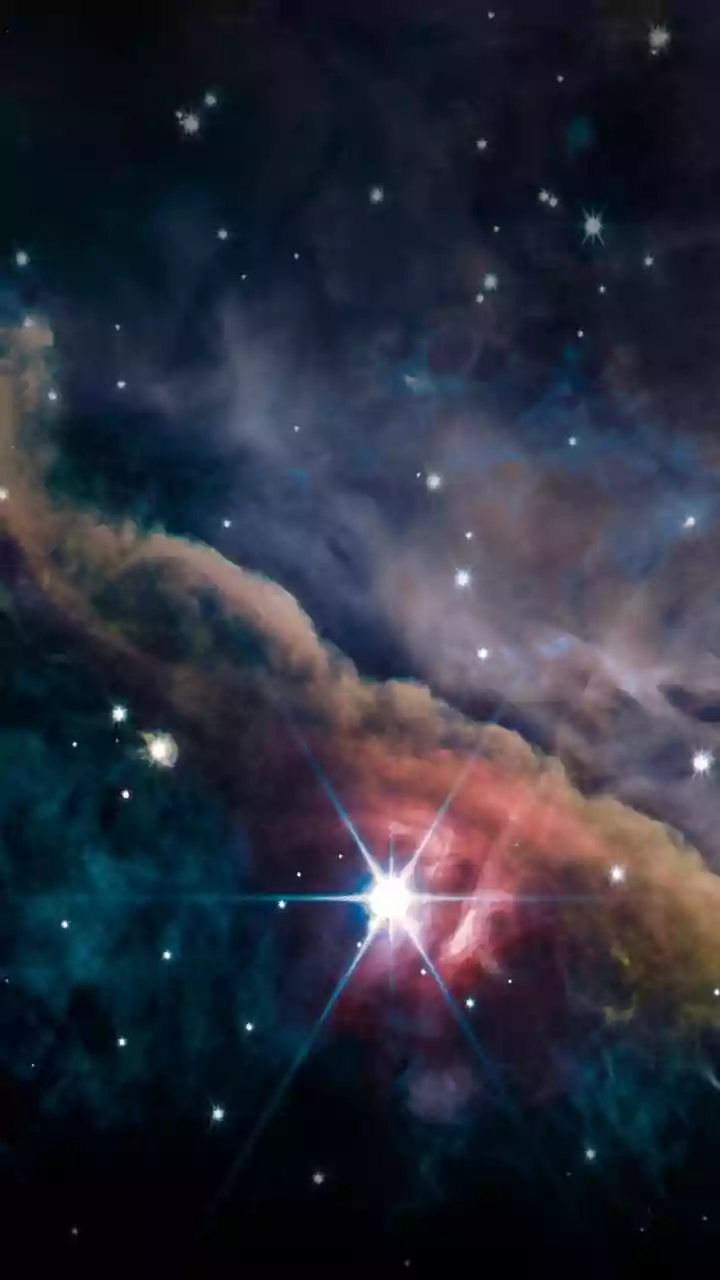
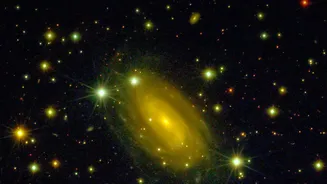
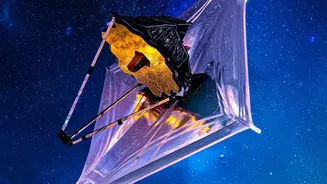
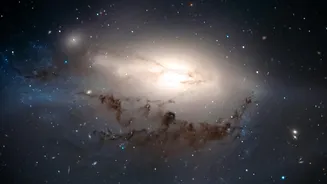
Imagine having the sharp vision of the Hubble Space Telescope but being able to see an area of the sky 100 times larger in a single snapshot. That is the core power of the Roman Space Telescope. Its Wide-Field Instrument will capture vast panoramic images of the cosmos, a capability that will be thousands of times faster than what Hubble could achieve. This will create enormous cosmic maps showing the distribution of both visible matter and the invisible scaffolding of dark matter that shapes galaxies. Instead of just seeing individual trees, Roman will show us the entire forest, revealing patterns in the universe that were impossible to see before.