





How This Space-Saving Magic Works
Vacuum compression bags, often called space bags, are designed to remove excess air from soft items, dramatically reducing their volume. There are two main types for travellers. The first requires a vacuum cleaner or a small, often portable, pump to suck
the air out through a one-way valve. The second, and often more travel-friendly, version is the roll-up bag. You simply place your clothes inside, seal the top, and then tightly roll the bag to force air out through special one-way vents at the bottom. Both methods achieve the same goal: turning bulky items into dense, flat packages that take up significantly less room in your luggage.
The Obvious Benefit: More Room, Less Stress
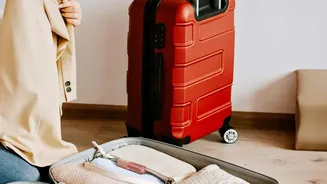
The primary advantage is undeniable: you can pack more into a smaller bag. For a weekend beach trip, this is a game-changer. That thick, absorbent beach towel that usually hogs half your duffel can be compressed to the size of a book. The same goes for an evening sweatshirt or a light jacket for breezy nights. By compressing these bulky essentials, you free up valuable real estate for other necessities like swimwear, sandals, and toiletries. This can mean the difference between checking a bag and travelling light with just a carry-on, saving you both time and money at the airport.
What to Pack (and What to Skip)
These pouches work best with soft, bulky items that have a lot of air trapped in their fibres. Think puffy jackets, sweaters, fleece hoodies, and, of course, towels. Casual clothes like t-shirts and jeans also compress well. However, you should be cautious with delicate fabrics like silk, satin, or anything with structured elements, such as a tailored blazer. The intense pressure can damage these materials. Natural fibres like wool and some down-filled jackets can also be tricky; long-term compression can crush the fibres and reduce their natural loft and insulating properties. For a short weekend trip, this is less of a concern, but it's wise to avoid using them for your most delicate or structured garments.
The Downside: A Wrinkle in the Plan
The most significant drawback of using compression bags is the potential for deep-set wrinkles. When air is forced out, the clothes are pressed together tightly, which can lead to significant creasing. To minimise this, take care to fold or roll your clothes as neatly as possible before placing them in the bag. Laying items flat is often better than folding them into small squares. Some sources suggest using tissue paper between delicate layers. Upon arrival at your destination, it's a good idea to unpack the compressed items immediately and hang them up. This gives the fabric time to relax and allows some of the wrinkles to fall out naturally.
The Critical Weight vs. Volume Rule
Here is the most important thing to remember: vacuum pouches reduce volume, not weight. It can be deceptively easy to overpack your suitcase because the compressed items seem so small. You might successfully fit everything into your carry-on, only to find it exceeds the airline's weight limit. Always weigh your bag after packing to avoid surprise fees at the check-in counter. The goal is to pack smarter, not necessarily to pack more. Use the extra space for items you truly need, not just to add more weight.
Packing Your Weekend Bag, Sorted
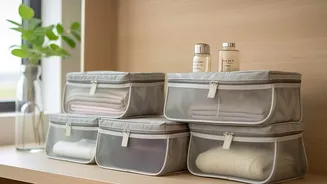
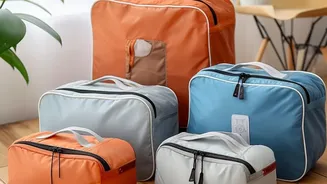
For your beach getaway, try a strategic approach. Use one large pouch for your beach towel and perhaps a bulky cover-up. Use a medium-sized pouch for your casual daytime clothes like shorts and t-shirts, rolling them to minimise wrinkles. Keep evening outfits or anything more wrinkle-prone in a separate, non-compressed packing cube or just folded in your bag. This keeps you organised and ensures your most important garments arrive in the best possible condition. You can also use a spare pouch to segregate dirty or damp laundry for the trip home, keeping it separate from your clean clothes.