


The Viral Sensation of Whipped Coffee
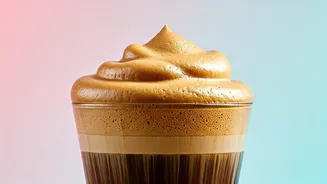
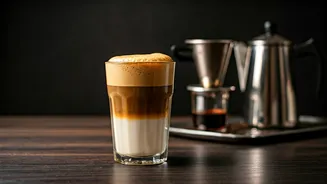
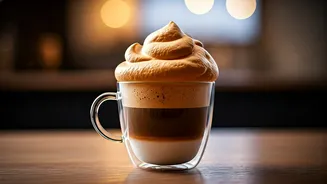
A few years ago, a creamy, two-toned beverage took over the internet. Christened 'Dalgona coffee' after a South Korean toffee, this whipped instant coffee creation became a global phenomenon, particularly in India. It was visually stunning, easy to make
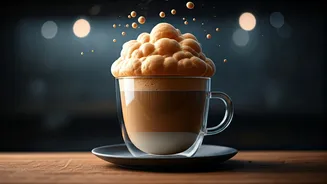
at home, and perfectly suited for platforms like Instagram and TikTok, where aesthetics are everything. The trend was so powerful that it turned a simple drink into a viral challenge, a symbol of shared experience during a time of isolation. Many Indians, however, recognised it as a fancier, inverted version of the 'phenti hui' or beaten coffee they grew up with. Yet, its presentation—a fluffy cloud of coffee floating on chilled milk—gave it a modern, global appeal that felt entirely new.
The Unshakeable Ritual of Filter Kaapi
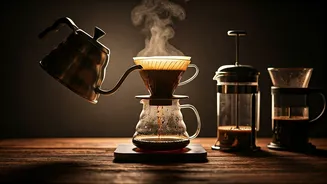
While fluffy coffee captured the scroll, traditional South Indian filter coffee, or 'kaapi', remained a cornerstone of Indian culture. It represents a different kind of energy—not the fleeting buzz of a viral trend, but the steady, comforting rhythm of a daily ritual. For many, the aroma of freshly brewed decoction from a traditional metal filter is the true start to their day. This isn't just about a caffeine fix; it's about heritage and a sensory connection to the past. The market for filter coffee continues to grow, driven by a new generation seeking authenticity and a deeper appreciation for craft. Recently, South Indian Filter Coffee was even ranked as the second-best coffee in the world, a testament to its enduring global appeal.
A Tale of Two Energies: The Social vs. The Soulful
The rise of fluffy coffee and the resilience of filter kaapi highlight a fascinating cultural duality. Fluffy, photogenic coffees like Dalgona and the cold brews popular with Gen Z are part of a fast-paced, social, and highly visual culture. They are beverages to be seen with, extensions of one's identity in the digital world. Cafés have become multi-functional spaces for work, socialising, and content creation, with aesthetics playing a key role. The energy is outward-facing and performative. Filter coffee, in contrast, offers a more introspective energy. It's the unhurried conversation at an Indian Coffee House, the quiet moment at home, or the comforting steel tumbler from a local darshini. Its value isn't measured in likes, but in its ability to ground and center. This is slow coffee, prioritising the sensory experience over the visual spectacle.
The Expanding Indian Coffee Palate
The headline's claim of 'replacement' is too simplistic. What's actually happening is a massive expansion of India's coffee landscape. A nation once dominated by tea and instant coffee now boasts a thriving 'third wave' coffee culture, with micro-roasters, artisanal cafés, and a growing population of home baristas. Younger consumers, especially Gen Z, are driving this change, experimenting with everything from cold brews and nitro infusions to fruit-flavoured coffees. This new coffee culture is less about choosing one over the other and more about embracing variety. The same person might enjoy a quick, trendy cold coffee during the week and savour a traditional filter coffee on a slow weekend morning.