




The Game-Changer: Mumbai-Ahmedabad Bullet Train
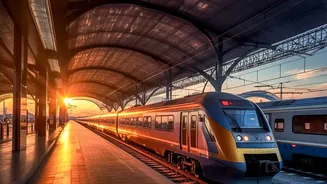
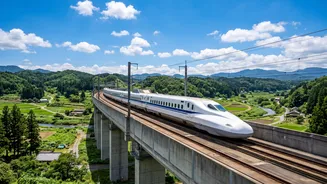
India’s first high-speed rail corridor, the Mumbai-Ahmedabad High-Speed Rail (MAHSR) project, is steadily progressing. This 508-km line will feature 12 stations and is expected to slash travel time between the two major economic hubs. Construction is advancing
on multiple fronts, with significant work completed on viaducts, piers, and river bridges. The project is being constructed in phases, with the first trial run on the Gujarat section anticipated around August 2027. For travellers, this means a future where the journey between Mumbai and Ahmedabad could take as little as two hours, a massive reduction from current train travel times. Work is progressing on all 12 stations, with finishing works underway at the eight stations located in Gujarat.
Expressways: Slashing Road Travel Times
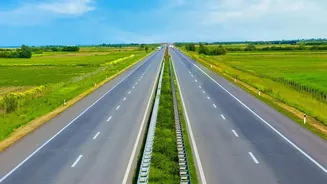
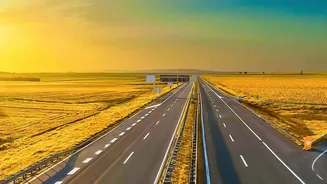
On the road front, new expressways are set to redefine car travel. The recently opened Ahmedabad-Dholera Expressway is a prime example. This 109-km, access-controlled highway has cut the travel time between Ahmedabad and the Dholera Special Investment Region to just 45 minutes, down from nearly two hours previously. This route is crucial for connecting to the upcoming Dholera International Airport and will boost industrial and real estate development. Furthermore, the highly anticipated Mumbai-Vadodara Expressway section is expected to become fully operational soon. This will reduce the journey between the two cities from about eight hours to just four, offering a significantly faster alternative for commuters and freight. Other key highway projects include the six-laning of the Kamrej-Chalthan section of NH-48 and new bridges over the Tapi and Narmada rivers on the Vadodara-Surat section, all aimed at improving traffic flow and safety.
Boosting Regional Rail Connectivity
It’s not just about high-speed travel; regional rail networks are also receiving a major upgrade. On September 8, 2026, several new railway projects were launched. These include the foundation stone for third and fourth railway lines between Vadodara and Ratlam, which will increase capacity on the busy Delhi-Mumbai route. Additionally, a new line connecting remote tribal areas will be established as part of the Chhota Udepur-Dhar project, along with a new passenger train service between Vadodara and Tanda Road. In Kutch, a new railway line has been approved to boost tourism by connecting key destinations like the Rann of Kutch, the Harappan site of Dholavira, Koteshwar temple, and Narayan Sarovar. This line will add approximately 145 route kilometers to Gujarat's network, opening up access to culturally significant areas.
The Freight Corridors: A Boost for Logistics
While not directly for passengers, the completion of the Western Dedicated Freight Corridor (WDFC) will have a significant indirect benefit for travellers. By shifting freight traffic to a dedicated network, existing railway lines will be freed up, potentially leading to more passenger trains and improved timeliness. Key sections of the WDFC, including Sanand-Makarpura and connections to Jawaharlal Nehru Port (JNPT), were recently inaugurated, making the entire corridor operational. This dedicated freight route is designed to ensure faster movement of goods between industrial centres and ports, reducing logistics costs and easing congestion on the main rail lines used by passenger trains.