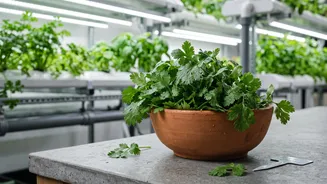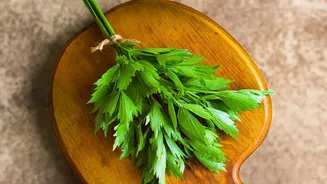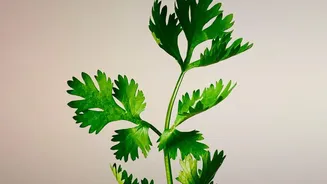


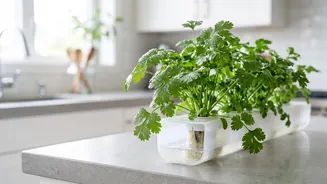
Imagine snipping fresh, aromatic coriander for your curries and salads, any time of year, right from your kitchen counter. Growing this essential herb without soil is surprisingly simple and solves the problem of limited garden space or sunlight.
Why Go Soilless?
Hydroponics,
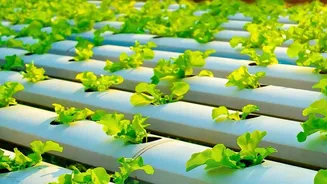
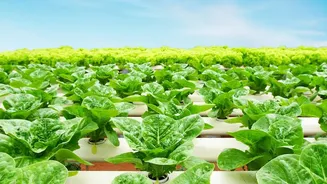
the method of growing plants in a nutrient-rich water solution instead of soil, offers numerous advantages for the home gardener. This technique often results in faster growth because nutrients are delivered directly to the roots. It’s also a cleaner method for indoor gardening, eliminating soil-based pests and the mess of potting mix. For city dwellers in apartments or homes with little to no garden space, soilless systems provide a compact and efficient way to cultivate fresh produce year-round. With a controlled environment, you can also sidestep common outdoor issues like bolting—when the plant flowers prematurely—which often happens to coriander in hot weather.
Choosing Your Hydroponic System
You don't need a complex, expensive setup to start. For beginners, simple and passive systems are ideal. The Kratky method, for example, is a non-circulating system that requires no pumps or electricity. It involves a container with a lid where the plant roots hang into a reservoir of nutrient solution. As the plant grows, the water level drops, creating an oxygen zone for the roots. Deep Water Culture (DWC) is another popular and straightforward method where roots are suspended in an aerated nutrient solution. Many ready-made countertop kits are also available, often including built-in lights, making them a great plug-and-play option for beginners.
The Power of LED Grow Lights
Coriander, like most herbs, needs plenty of light to thrive—typically more than a sunny windowsill can provide, especially during shorter winter days. This is where LED grow lights become essential. Full-spectrum LEDs are the best choice for herbs because they mimic natural sunlight, promoting healthy, leafy growth without consuming much energy or producing excess heat. For coriander, a light cycle of 12 to 16 hours per day is recommended. An inexpensive outlet timer can automate this process, ensuring your plants get consistent light every day for robust growth and better flavour.
Nutrients and Water Chemistry
In a soilless system, the water does all the work, delivering a balanced diet directly to the roots. You'll need a hydroponic nutrient solution formulated for leafy greens or herbs. These solutions contain the essential macro and micronutrients your coriander needs. Maintaining the correct pH and nutrient concentration (measured as Electrical Conductivity or EC) is crucial for success. For coriander, the ideal pH range is generally between 5.5 and 6.5. This ensures the plants can efficiently absorb all the available nutrients. You can easily monitor these levels with affordable digital meters.
From Seed to Harvest
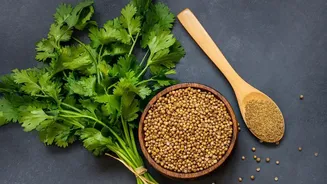
Getting started is a simple process. Coriander seeds can be slow to germinate, but you can speed things up by gently cracking the outer husk and soaking the seeds for a few hours before planting. Sow the seeds in a starter medium like rockwool or coco coir plugs. Once the seedlings develop their first true leaves and roots begin to emerge from the plug, they are ready to be moved into your hydroponic system. Your homegrown coriander should be ready for its first harvest in about 50 to 55 days. You can harvest the entire plant or, for a continuous supply, trim the outer leaves as needed, which encourages the plant to keep producing.