

Why the Cut Is a Cooking Instruction
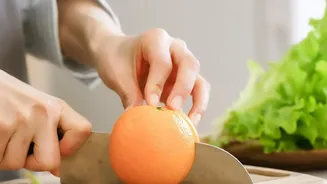
Often, we see chopping vegetables as a monotonous task to get through before the real cooking begins. But the way a vegetable is cut is a form of cooking instruction in itself. The size and shape of a vegetable piece directly influence its texture, cooking time,
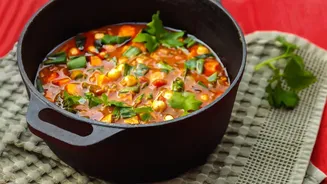
and how it absorbs flavours. A smaller cut creates more surface area, which means faster, more uniform cooking. Think about the difference between a finely minced onion that melts into a gravy base and a large chunk of onion in a sambar that needs to hold its shape. One is designed to dissolve, the other to be substantial. By deciding on these cuts early, you are essentially pre-determining the texture and character of your final meal.
A Glossary of Essential Cuts for Indian Kitchens
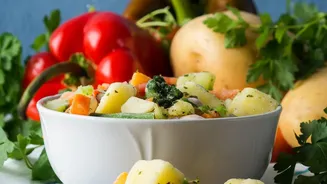
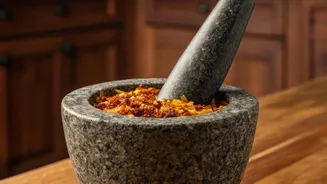
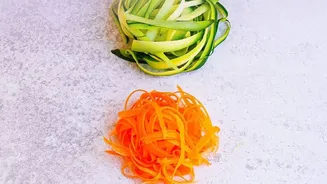
You don't need to be a French-trained chef to master a few essential cuts that will improve your cooking. Here are some key types: Chopping: This is a less precise, all-purpose cut perfect for rustic dishes, soups, and stocks where uniformity is not critical. Dicing: This involves cutting vegetables into small, uniform cubes. A fine dice (or brunoise) is great for the onion-tomato base of many curries, while a medium dice is perfect for vegetables in pulao, biryani, or a hearty vegetable stew. Slicing: Cutting vegetables into thin, flat pieces. Think of sliced onions for biryani garnish or sliced capsicum for a stir-fry. Slicing on a bias (diagonally) increases the surface area for better browning and quicker cooking. Julienne: This is the technique of cutting vegetables into long, thin 'matchstick' strips. It’s ideal for carrots, cucumbers, or beets in salads, spring rolls, or as a garnish where you want to maintain a certain crunch. * Mincing: This means chopping something into the સૌથી finest possible pieces. It's used for potent ingredients like garlic, ginger, and green chillies to release their oils and distribute their flavour intensely and evenly throughout a dish.
The Strategic Weekly Cut Plan
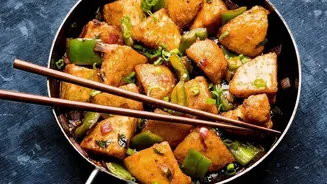
This is where the magic happens. When you sit down to plan your meals for the week, think about the cuts each dish requires. Your plan might look something like this: Monday (Dal Tadka & Sabzi): Need finely chopped onions, tomatoes, and ginger-garlic for the dal. For the sabzi (like beans or carrots), a simple round slice or 1-inch chop will work. Tuesday (Vegetable Pulao): Requires medium-diced mixed vegetables (carrots, beans, potatoes) so they cook evenly with the rice and provide a pleasant bite. Wednesday (Stir-fry): Best with vegetables cut on a diagonal or into larger, quicker-cooking slices and batons to ensure they stay crisp. Thursday (Sambar): Demands larger 1- to 2-inch chunks of vegetables like pumpkin, drumsticks, and bottle gourd that can withstand a longer cooking time without turning to mush. By mapping this out, you see overlaps. The chopped onions and tomatoes for Monday’s dal can be prepped at the same time as some for another dish, streamlining your prep sessions.
Tips for Prepping and Storing
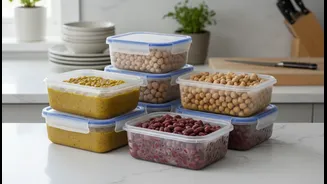
Once you have your plan, you can dedicate a block of time to 'batch prep' your cuts. Hardy vegetables like carrots, beets, cabbage, and cauliflower can be cut and stored in airtight containers in the refrigerator for 2-3 days. To maintain crispness, you can store cut carrots and celery sticks in a container of water. Softer, high-moisture vegetables like tomatoes, cucumbers, and bell peppers are best cut just before use to prevent them from becoming soggy. Onions can be chopped or sliced ahead, but be aware they will release a strong odour in your fridge. Storing them in a high-quality, airtight container is key. Remember that finely cut vegetables lose moisture and nutrients faster, so they should be used sooner.
Embrace the Season
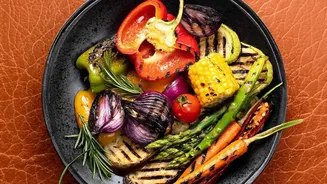
Applying this strategy to seasonal vegetables makes it even more effective. During winter in India, carrots, peas, and cauliflower are abundant. You can plan for diced carrots in a sabzi, julienned carrots for a salad, and whole cauliflower florets for Aloo Gobi. In the summer, make the most of gourds and beans. This approach not only ensures you are eating the freshest, most flavourful, and affordable produce, but it also encourages variety in your cooking techniques from week to week.