




The Enduring Love for Namkeen
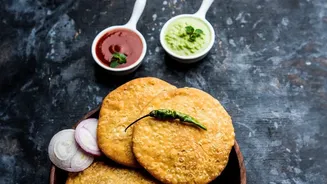
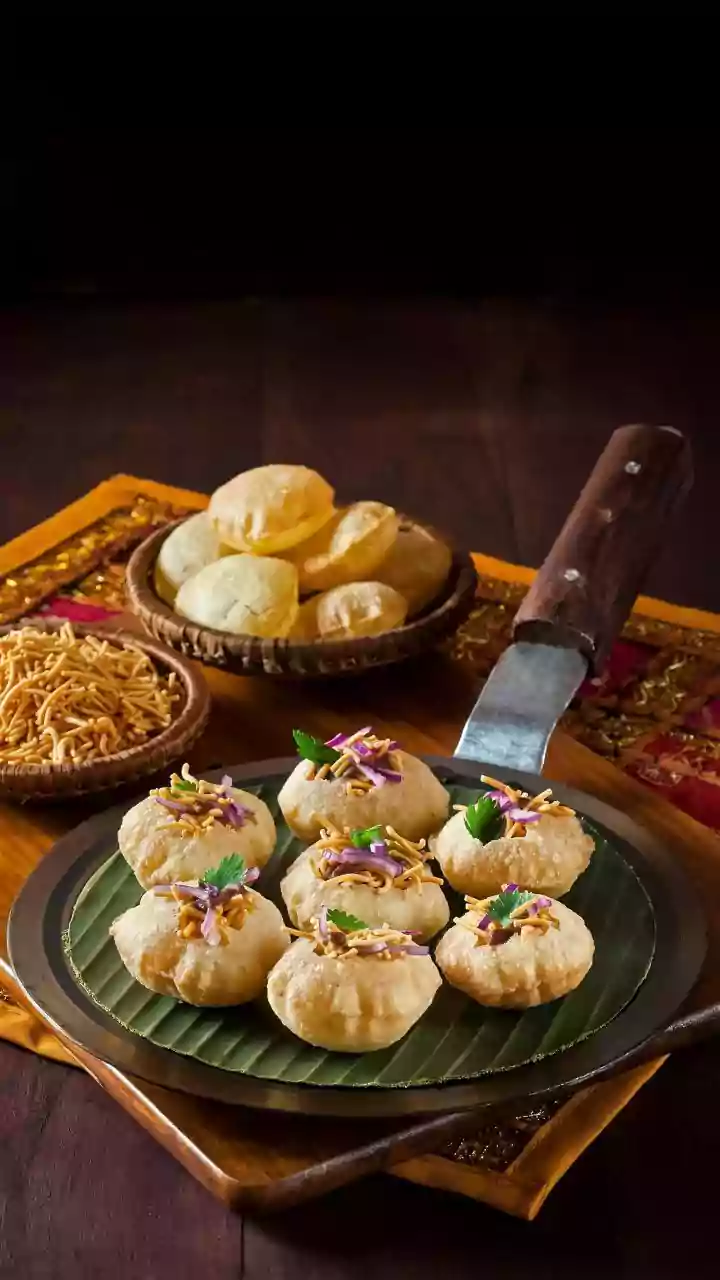
For generations, 'namkeen' has been the undisputed king of Indian snacks. From the iconic Bikaneri bhujia, which traces its origins back to 1877, to countless regional variations of mixtures, farsan, and fried savouries, these snacks are deeply woven
into the country's cultural fabric. They represent comfort, tradition, and the flavours of home. The namkeen market remains robust, with projections showing it will continue to grow significantly in the coming years. This is not a story about the death of traditional snacks, but rather the story of a market that is expanding and making room for new players and new preferences.
A Growing Appetite for Health
The primary driver of this evolution is a dramatic rise in health consciousness across India. Urbanisation, busier lifestyles, and a greater awareness of lifestyle-related health issues like diabetes and obesity are pushing consumers to reconsider their food choices. This isn't just a niche trend; studies show that a vast majority of Indian consumers are now actively seeking snacks with functional benefits, such as high protein and fibre content. They are reading labels more carefully, scrutinizing ingredients, and showing a willingness to pay a premium for healthier options. This has created a fertile ground for a new category of snacks to flourish.
Enter the New Age of Snacking
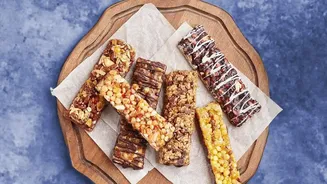
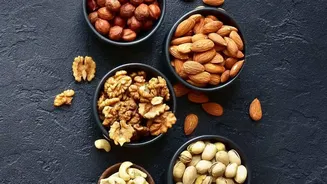
The 'healthy snack' aisle, once a small corner in urban supermarkets, is now a booming industry. This category is diverse, ranging from protein bars and baked (not fried) chips to roasted makhana (fox nuts), millet-based crackers, and flavoured nut and seed mixes. Protein, in particular, has become a hero ingredient. The Indian protein bar market is growing steadily, with sports nutrition bars and meal replacement options becoming popular choices for post-workout fuel or a convenient on-the-go bite. Brands are innovating rapidly, launching snacks that cater to specific dietary needs like gluten-free and plant-based, while also incorporating familiar Indian flavours like masala and peri-peri to appeal to the local palate.
Not Replacement, but Coexistence
It's a mistake to think that protein bars are simply replacing samosas. The reality is more nuanced. Consumers are making situational choices. They might grab a protein bar after the gym or during a busy workday, but still indulge in traditional namkeen during family gatherings or weekend celebrations. This has led to a diversification of the 'snack drawer'. The Indian healthy snacks market is projected to be worth billions of dollars, growing at a faster rate than the global average. At the same time, the traditional namkeen market is also growing, adapting with baked versions and healthier oils to cater to the conscious consumer. This suggests the Indian snacker's palate is not shrinking, but expanding to accommodate both health and indulgence.
How the Market Is Responding
This evolution is being driven by both legacy giants and a wave of new startups. Traditional namkeen manufacturers are now offering 'lite' or baked versions of their popular products and highlighting cleaner ingredients. Simultaneously, new-age brands are capturing consumer attention online and through quick-commerce platforms, offering innovative products like millet-based snacks and flavoured makhana. The expansion of modern retail into Tier-II and Tier-III cities, along with the boom in e-commerce, has made these new options more accessible than ever before, accelerating the trend across the country.