


The Flaw in One-Size-Fits-All Advice
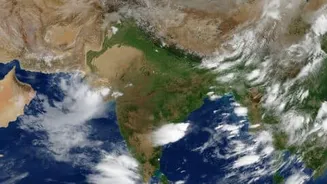
Every year, gardeners and farmers search for the best crops to plant in August. While lists suggesting staples like okra, gourds, and beans are common, they often ignore the single most important factor: the highly variable nature of the Indian monsoon.
The Kharif season is defined by rainfall, but what that looks like can differ dramatically from one district to the next. A delay in the monsoon's arrival, a prolonged dry spell, or unexpectedly heavy downpours can determine whether a seed thrives or fails. Relying on a pan-India list is like using a map of the entire country to find a local street. Your specific local conditions, especially the quantity and pattern of rainfall, are what truly matter.
Why Local Rain is King
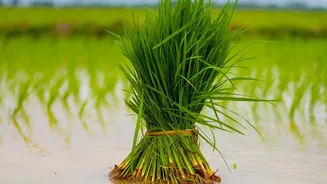
Different crops have vastly different needs. Rice, the quintessential Kharif crop, often requires fields to be flooded, making it suitable for areas with heavy, sustained rainfall. Conversely, crops like millets (jowar, bajra) and many pulses are more drought-resistant, making them a smarter choice in regions experiencing a weaker or erratic monsoon. Sowing a water-loving crop during a dry spell can lead to poor germination, while planting a drought-tolerant one in a waterlogged field can cause root rot. Late sowing due to delayed rains can also shorten the growing season, which impacts the final yield even if the total acreage seems good. Your local rainfall pattern isn't just a weather report; it's the most critical instruction manual for your land.
How to Become Your Own Weather Expert
Fortunately, accessing localized weather data has never been easier. The India Meteorological Department (IMD) is the most reliable source for this information. The IMD's official website, Mausam, provides daily and weekly rainfall data, often broken down by state, sub-division, and even district. You can view interactive maps and detailed reports that show recent rainfall, helping you understand if your area is receiving excess, normal, or deficient rain. While some of the raw data can seem complex, the site offers user-friendly summaries, such as district-wise rainfall distribution maps. Several mobile apps from the IMD, like 'Mausam' and 'Meghdoot,' also provide forecasts and advisories tailored to your location.
Sowing Strategy for High-Rainfall Areas
If the IMD data shows your district has received ample or excess rain and forecasts suggest continued wet conditions, you can confidently plant crops that thrive in moisture. This is the ideal time for transplanting rice seedlings. Many vegetables also perform well, particularly gourds like bottle gourd (lauki), ridge gourd (turai), and bitter gourd (karela), which love the humidity. Leafy greens that can handle wet feet, such as amaranthus, are another good option. However, even with water-loving plants, ensure your soil has adequate drainage to prevent waterlogging, which can be a problem during intense downpours.
Sowing Strategy for Low or Erratic Rainfall
If your area is facing a rainfall deficit or the monsoon has been patchy, pivot to more resilient crops. Millets like jowar (sorghum) and bajra (pearl millet) are famously drought-tolerant and are staples in rain-fed agricultural zones. Pulses such as pigeon pea (tur) and certain beans can also manage with less water once established. Among vegetables, okra (bhindi) is remarkably tough and reliable in warm, humid conditions without demanding constant water. Tomatoes, brinjal, and cluster beans (gwar) are also good candidates for August sowing in areas with moderate or uncertain rain, as they are hardy and can produce a good yield without perfect conditions.