






The Magic Number: Sixteen Sunrises
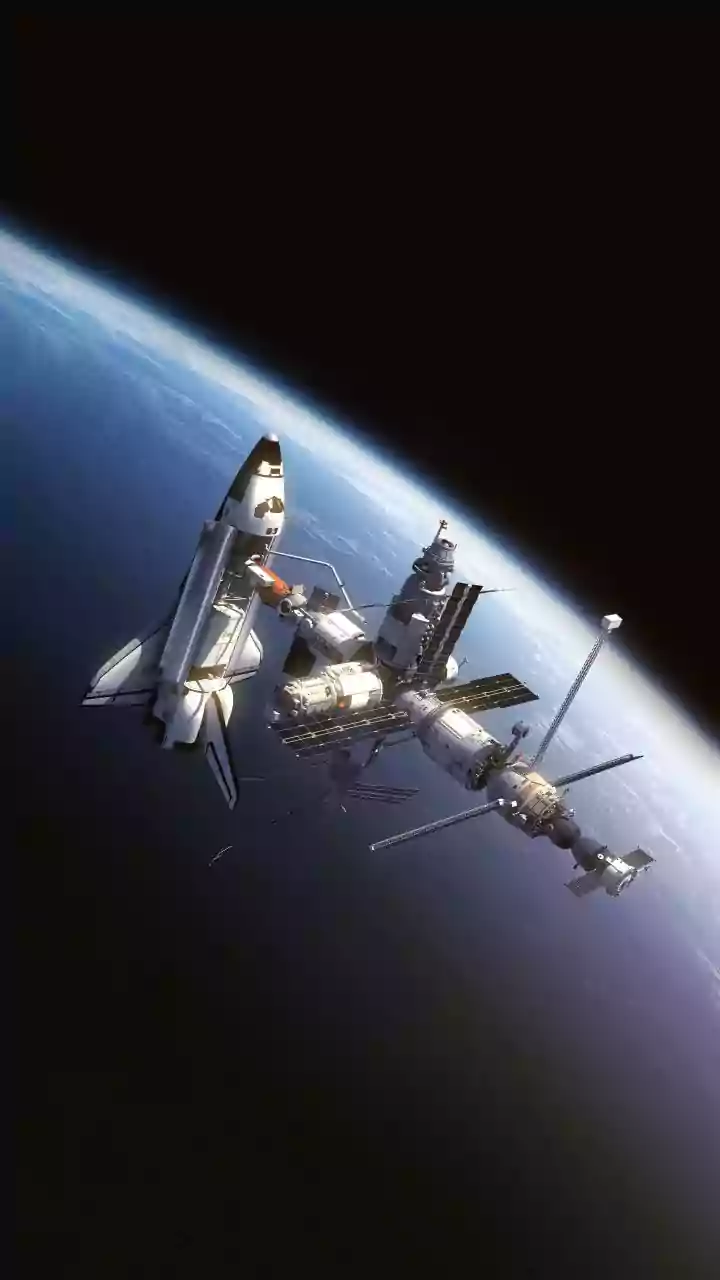
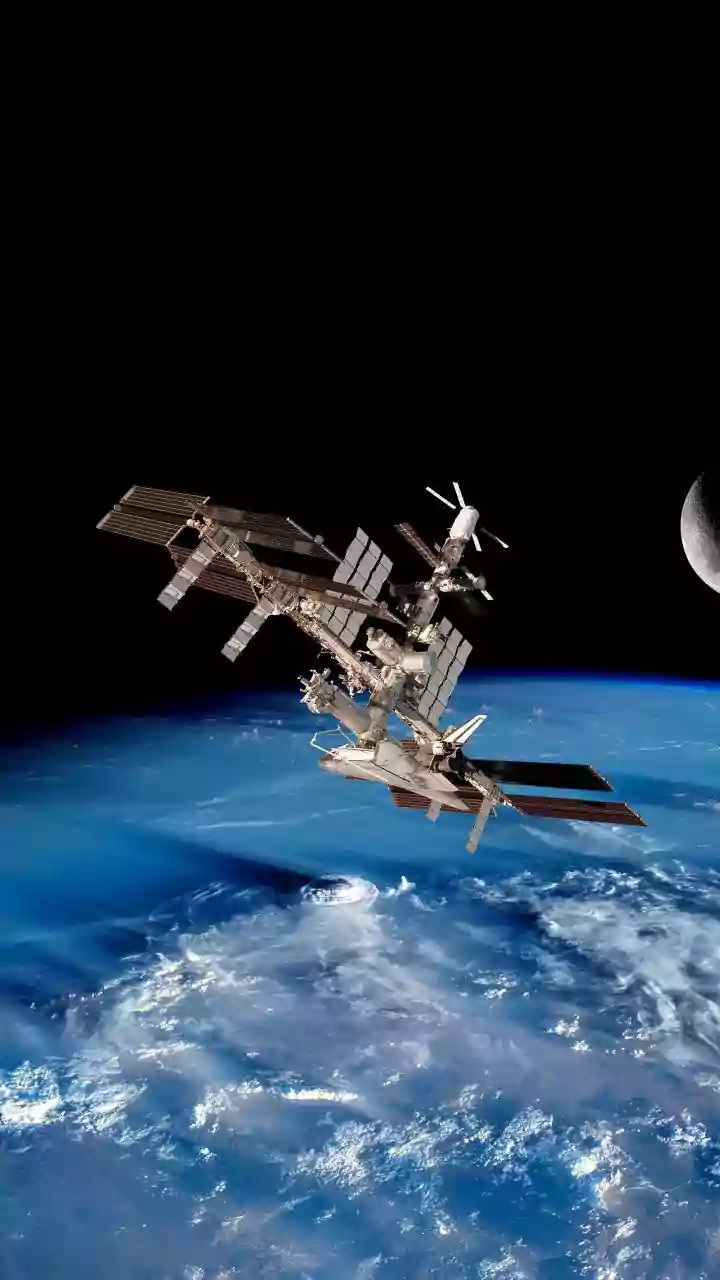
It sounds like science fiction, but it’s simple orbital mechanics. The International Space Station (ISS) hurtles through space at approximately 28,000 kilometres per hour. This incredible speed means it completes a full orbit of Earth in about 90 to 93
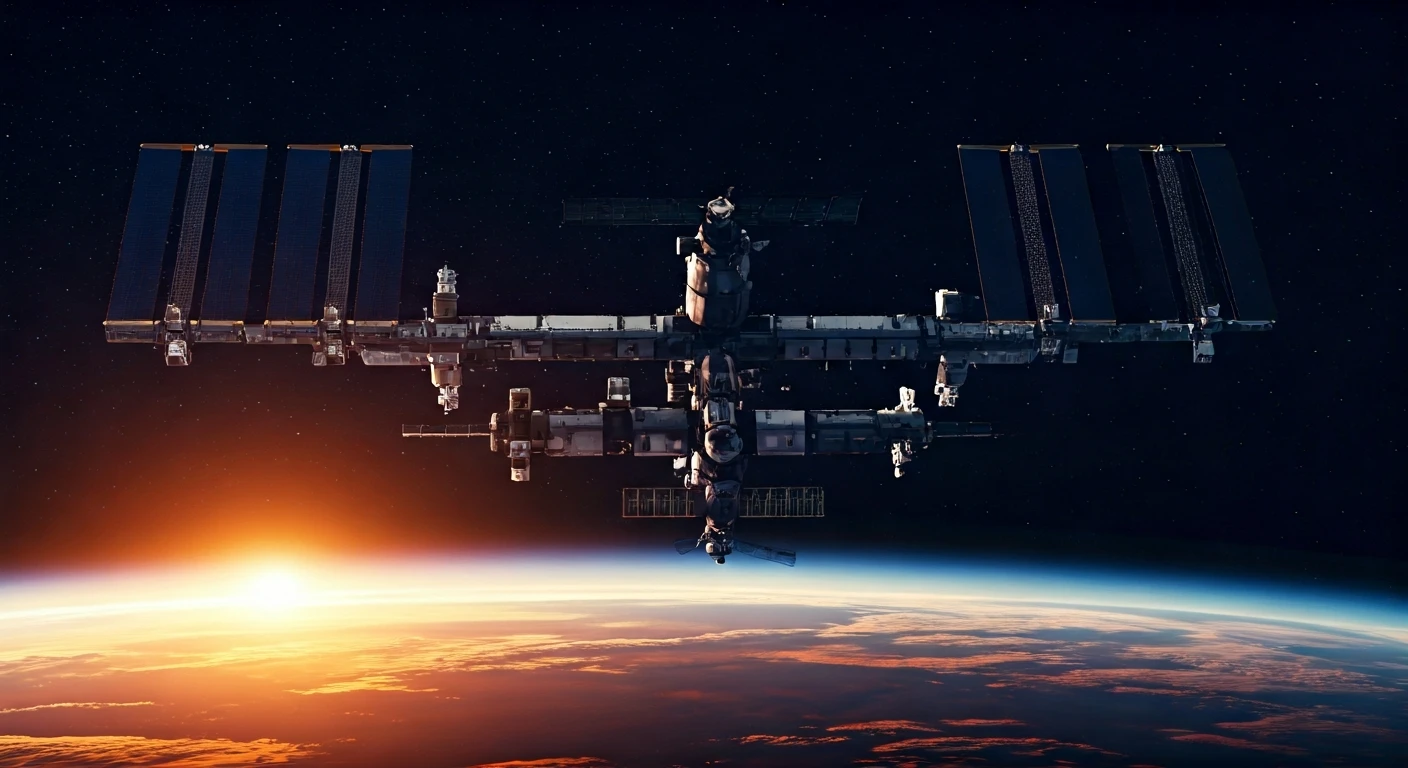
minutes. As a result, the astronauts on board pass from daylight to darkness and back again constantly. When you do the maths, it works out to 16 sunrises and 16 sunsets every 24 hours. For the crew, that means witnessing a dawn or dusk roughly every 45 minutes as they circumnavigate the globe. It’s a detail of space life that continues to fascinate people on the ground.
A High-Speed Orbital Ballet
To put the ISS's speed into perspective, it travels at about 7.6 kilometres every second. At that velocity, an astronaut could watch the station cross the entire continental United States in about ten minutes. This constant motion creates a unique visual experience. Unlike a slow, gentle sunrise on Earth that can last for many minutes, a sunrise from the ISS is a rapid, spectacular event. Astronauts describe seeing a brilliant, thin band of blue and orange light on the horizon that the station rushes towards and then overtakes in less than a minute. The sun doesn't gently rise; it appears to leap over the edge of the planet.
Keeping Time Without Day or Night
So if you can't rely on the sun, how do you keep a schedule? With 16 sunrises a day, the natural cues that govern our lives on Earth are useless. To maintain order and synchronise with ground control teams in Houston and Moscow, the ISS officially runs on Coordinated Universal Time (UTC), which is equivalent to Greenwich Mean Time. An astronaut's day is meticulously planned, often in five-minute increments, to manage work, meals, exercise, and rest. This strict scheduling is crucial for mission success and for the crew's psychological health. Without it, the disorienting cycle of light and dark could easily disrupt their biological clocks.
The Challenge of Circadian Rhythms
The human body is designed for a 24-hour cycle. Being exposed to 16 sunrises can wreak havoc on an astronaut's circadian rhythm, the internal process that regulates the sleep-wake cycle. This is considered a significant risk for long-term space missions. To combat this, crew members have designated sleep stations with covers to block out the frequent dawns. Furthermore, the station's interior lighting has been upgraded to a special LED system that changes its colour temperature throughout the UTC day—providing bluer light in the “morning” to promote alertness and warmer, redder light in the “evening” to help them wind down for sleep. Even with these measures, astronauts often get less sleep than scheduled, highlighting the challenge of adapting a terrestrial body to an orbital environment.
More Than Just a Pretty View
While the multiple sunrises are a stunning spectacle, they also provide valuable scientific opportunities. Each pass from shadow into light is a chance to study Earth's atmosphere in a unique way. The edge-on view allows scientists and astronauts to observe the different layers of the atmosphere, from the orange and red-hued troposphere, coloured by dust and particles, to the clear blue stratosphere above it. These observations help researchers understand atmospheric composition and dynamics. The phenomenon known as 'airglow'—a faint light emission from the atmosphere—is also visible, ensuring that from the station's perspective, the Earth is never completely dark. It’s a constant reminder of the thin, precious blanket of air that protects our planet, a view that has profoundly affected many who have seen it.