








The New Hiring Playbook
For decades, campus recruitment in India followed a predictable script: companies would visit a select list of Tier-1 colleges, conduct aptitude tests, and hold mass interviews. [6] This model, however, was often inefficient, resulting in skill mismatches
and high early attrition. [6] Today, that playbook is being rewritten by algorithms. Companies are increasingly using AI to automate and refine the entire hiring lifecycle, from sourcing candidates to onboarding new employees. [7, 22] Software platforms now collect, rank, and filter applications automatically, while AI-powered assessment tools evaluate everything from technical skills to behavioural competencies. [4] The shift is from volume to quality, and from credentials to competence. [5, 6]
How AI Is Changing the Game
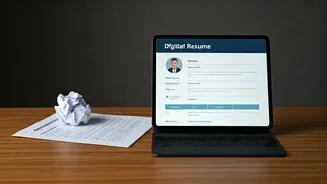
The integration of AI into campus hiring is multi-faceted. Applicant Tracking Systems (ATS) are the first hurdle, using AI to screen thousands of resumes in minutes for specific keywords and qualifications. [16, 22] Following this, candidates may interact with AI chatbots for initial queries and scheduling. [10, 16] Many now face AI-proctored online assessments from platforms like SHL, AMCAT, and HirePro that test aptitude and technical skills. [4] Some firms even use gamified behavioural assessments and AI-driven video interviews, where algorithms analyse responses, facial expressions, and vocal tones. [4, 7] For students, this means the first point of contact with a potential employer is often a machine. [7]
The Promise: Speed, Scale, and Fairness
For companies, the benefits are clear: AI drastically reduces the time and cost of hiring. [19] It allows recruiters to process vast amounts of data quickly, assess candidates from a wider range of institutions beyond the elite few, and make more data-driven decisions. [5, 10] Proponents also argue that AI can reduce human bias. [16] By focusing on measurable skills and qualifications, these tools can theoretically level the playing field, giving a fair chance to talent that might have been overlooked due to unconscious recruiter biases related to gender, background, or institution. [5]
The Dark Side: Algorithmic Bias and Anxiety
However, the promise of fairness comes with a significant catch. AI systems learn from historical data, and if that data contains existing biases, the AI can replicate and even amplify them. [3] Studies have shown that AI tools can penalise women for career breaks or favour candidates from elite institutions and urban backgrounds. [2] An audit of AI recruitment systems in India found significant disadvantages for candidates with female-coded names, caste-coded surnames, and rural addresses. [18] Furthermore, there is the human cost. Many students experience 'technological anxiety' when interacting with non-human systems, and there are valid concerns about data privacy and the lack of transparency in how algorithmic decisions are made. [13, 15] With no specific legal framework in India to hold employers accountable for algorithmic bias, these are pressing concerns. [11]
Adapting to the AI-Driven Job Market
For Indian students, this new landscape requires a new strategy. Simply having a degree is no longer enough; employers are now prioritising demonstrable skills and practical experience. [12] Graduates need to become adept at navigating AI-driven processes. This includes optimising resumes with keywords relevant to job descriptions to pass through ATS screening. [16] Students are also using AI tools to their advantage, practising with AI-powered mock interviews and assessment platforms to build confidence and readiness. [20, 23] Universities, in turn, are feeling the pressure to integrate AI literacy into their curriculum and provide students with the tools to compete in this algorithm-driven job market. [4, 13]