






The Significance of Shravan
Shravan, also called Sawan, is the fifth month in the Hindu lunar calendar, dedicated to Lord Shiva. According to scriptures, this was the month when the great churning of the ocean (Samudra Manthan) took place, releasing a deadly poison called Halahala.
To save all of creation, Lord Shiva consumed the poison, which turned his throat blue and earned him the name Neelkanth. The heat from the poison caused him immense discomfort, and so devotees offer cool water and milk to the Shivling as a gesture of gratitude and relief. In 2026, for North India, Shravan begins on July 30 and concludes on August 28. The entire month, especially the Mondays (Shravan Somwar), is considered highly auspicious for prayers and spiritual practices.
The Soulful Practice of Fasting
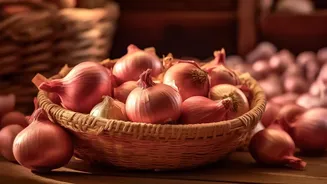
Fasting is a cornerstone of Shravan observance, seen as a way to purify the body and mind, and strengthen willpower. Many devotees observe a fast on the four Mondays of the month. The fast can be a complete one (Nirjala), a fruit-and-milk diet (Phalahar), or a single sattvic meal in the evening. The rules are flexible; sincerity is valued over severity. The typical fast involves avoiding grains like wheat and rice, lentils, non-vegetarian food, alcohol, onions, and garlic. Instead, the diet focuses on light, pure foods that are easy to digest. This practice also aligns with Ayurvedic principles, as the monsoon season can weaken digestion.
A Diet for Devotion and Detox
A Shravan fast is an opportunity for a gentle dietary reset. The focus is on a sattvic diet, which consists of fresh, natural, and light foods. Popular vrat-friendly foods include fruits, milk products like paneer and curd (though some traditions avoid curd), and nuts. Sabudana (tapioca pearls) is a fasting staple, used to make khichdi, kheer, or vadas. Special flours like kuttu (buckwheat), singhara (water chestnut), and rajgira (amaranth) are used to make rotis or puris. Vegetables such as potatoes, sweet potatoes, and lauki (bottle gourd) are also permitted. Regular table salt is replaced with sendha namak (rock salt). This clean diet helps reduce stress on the digestive system and promotes mental clarity.
Simple Rituals for a Sacred Month
You don't need elaborate ceremonies to connect with the spirit of Shravan. A simple daily routine can be powerful. Many devotees visit Shiva temples to perform Abhishek, offering milk, water, honey, and bel patra (wood apple leaves) to the Shivling. Chanting the mantra "Om Namah Shivaya" is a central practice that can be done anywhere. If you cannot visit a temple, you can create a small, clean space for prayer at home. Waking up early, taking a bath, lighting a lamp, and spending a few minutes in meditation or prayer sets a peaceful tone for the day. Listening to the Shravan Vrat Katha (stories of the month) is another auspicious activity.
Monsoon Wellness and Mindfulness
Shravan coincides with the peak of the monsoon, a season that requires extra care for health. The increased humidity can lead to infections. It’s essential to drink boiled or filtered water and be cautious with street food. Thoroughly wash all fruits and vegetables. Boost your immunity with a balanced diet and Vitamin C-rich foods like citrus fruits. This is also a perfect time for mindfulness. The sound of the rain provides a natural backdrop for meditation and introspection. Use this period to reduce screen time, connect with family, read spiritual texts, or simply enjoy the lush greenery that the monsoon brings.