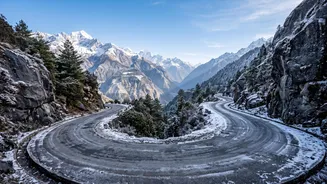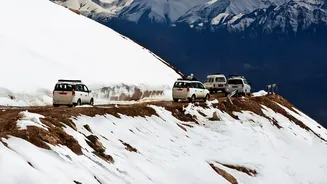




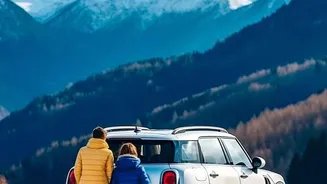
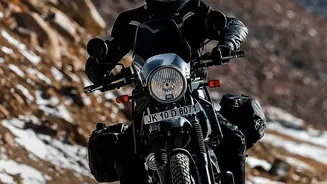
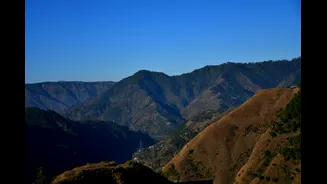
The allure of a winter mountain drive is undeniable, with snow-draped peaks offering stunning vistas. But conditions can turn treacherous in minutes. Knowing when and how to safely pull over isn't just a skill—it's a critical survival technique.
Before You Go: Preparation is Paramount
The safest
emergency is the one you avoid entirely. Before heading towards high-altitude passes in regions like Himachal Pradesh or Uttarakhand, a thorough vehicle check is non-negotiable. Cold weather is notoriously hard on car batteries, reducing their efficiency. Have yours tested and ensure the terminals are clean. Check your tyre pressure regularly, as it drops in the cold, and confirm you have adequate tread depth—at least 2mm is a good rule of thumb. For areas with heavy snow, dedicated winter tyres offer superior grip as their rubber compound stays supple in the cold. Also, ensure your coolant has the correct antifreeze ratio, your wiper blades are in good condition, and your washer fluid is topped up. Finally, never start a mountain journey with less than a half tank of fuel.
Assemble Your Winter Survival Kit
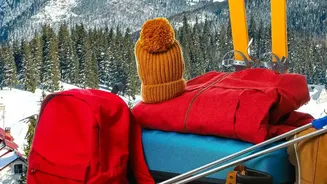
Your car should contain more than just you and your passengers. A well-stocked winter survival kit can be a lifesaver if you become stranded. This isn't just about a first-aid kit, though that is essential. Your kit must include items for warmth, visibility, and sustenance. Pack extra layers of non-cotton clothing, wool or synthetic blankets, gloves, and boots. High-energy, non-perishable snacks and bottles of water are crucial for staying hydrated and keeping your energy up. For the vehicle itself, include an ice scraper and snow brush, jumper cables, and a powerful flashlight with extra batteries. Reflective triangles or flares are vital for making your car visible to others. A small shovel and a bag of sand or cat litter can provide the traction needed to get unstuck.
Recognising When to Stop
Ego has no place on a treacherous mountain road. The most important decision a driver can make is to stop before conditions become unmanageable. If visibility drops to a point where you cannot see the road ahead clearly, it is time to pull over. Heavy, wind-driven snow can create whiteout conditions in an instant. Do not attempt to push through. Likewise, if you feel your vehicle losing traction, or if the road is covered in black ice—which often looks like wet pavement and is common on bridges and shaded areas—it is far safer to wait for conditions to improve or for road crews to treat the surface. Pushing forward risks not only getting stuck but also causing an accident.
The Art of a Safe Pullover
Where you stop is as important as when. Do not simply stop in your lane. Find a designated turnout, rest area, or a spot where you can get your vehicle as far off the road as possible. This reduces the risk of being hit by another vehicle, especially snowplows which require a wide berth. Try to avoid stopping on sharp curves or at the bottom of a steep hill. Once stopped, make your vehicle as visible as possible. Turn on your hazard lights. If you have them, place reflective triangles behind your vehicle. A brightly coloured cloth tied to your antenna or door handle is another effective signal for rescuers. If you stop because of poor visibility, turn off your headlights so other drivers do not mistakenly follow your lights off the road.
Stranded But Safe: Your Action Plan
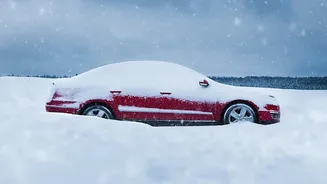
If you are stranded, the cardinal rule is to stay with your vehicle unless help is visible within 100 yards. Your car is your primary shelter from the elements. To stay warm while conserving fuel, run the engine and heater for only about 10 minutes every hour. However, this carries a serious risk of carbon monoxide poisoning, an odourless, colourless gas that can be lethal. Before starting the engine, you must ensure the exhaust pipe is completely clear of snow. A blocked tailpipe can fill the cabin with carbon monoxide in minutes. While the engine is running, crack open a window on the side sheltered from the wind to allow for fresh air. Use your car's dome light at night when the engine is on to make yourself more visible.