
Why Greenland Now?
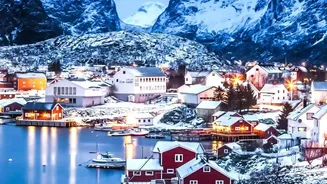
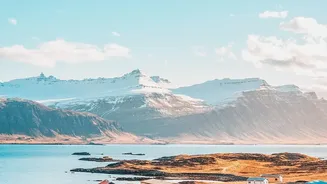
For travellers who feel they have seen it all, Greenland offers something increasingly rare: genuine remoteness and untamed wilderness. It is a destination defined by what it lacks—no roads connect its towns, and its landscapes are governed by ice and sea,
not timetables. This raw, unfiltered version of nature is precisely what draws seasoned explorers. They come for the towering glaciers, wildlife that feels truly wild, and the profound silence of the Arctic. In these small coastal communities, life is shaped by ancient traditions and the rhythm of the seasons, offering a powerful contrast to the modern world and a chance to experience a place where human resilience and breathtaking nature exist in stark harmony.
Ittoqqortoormiit: The Edge of the World
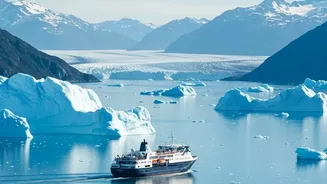
Considered one of the most isolated towns on Earth, Ittoqqortoormiit is the quintessential destination for the serious explorer. Getting here is an expedition in itself, typically requiring a flight from Iceland followed by a helicopter or boat transfer. The reward is staggering. The village serves as the gateway to Northeast Greenland National Park—the world's largest—and the Scoresbysund fjord system. Life here is inextricably linked to hunting and nature. For visitors, this translates into unparalleled opportunities for dog sledding expeditions that can last for weeks, guided wildlife viewing for musk oxen and polar bears, and kayaking in seas dotted with colossal icebergs.
Tasiilaq: Adventure in the East
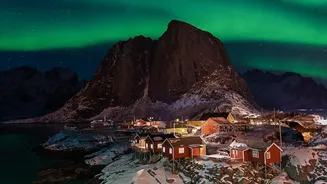
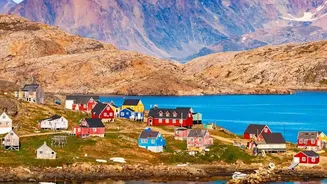
As the largest town in East Greenland, Tasiilaq is a hub of adventure that still retains a small-town feel. Surrounded by pointed, dramatic mountains, it's a paradise for hikers, with trails like the Flower Valley offering stunning vistas just a short walk from town. The area is a magnet for adventurers looking for multi-day treks in a trail-free wilderness, kayaking among icebergs, and whale watching in the summer. In winter, it transforms into a prime location for dog sledding and seeking out the Northern Lights. The town's deep-rooted Inuit culture is accessible through its museum and artisan workshops, where local carvers create renowned tupilak figures.
Kulusuk: A Gateway to Inuit Culture
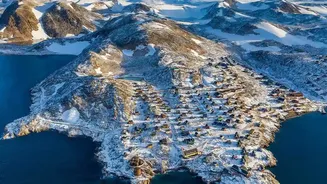
Often the first point of entry for travellers to East Greenland, Kulusuk is more than just a stopover. This small island settlement of around 250 people offers an immediate and authentic immersion into traditional Greenlandic life, where hunting and fishing remain central to survival. Experienced travellers appreciate Kulusuk for its accessibility from Iceland, combined with its rich cultural offerings. Visitors can witness traditional drum dancing, watch skilled kayakers demonstrate their craft, and purchase intricate carvings directly from local artists. The surrounding landscape provides ample opportunity for hiking, exploring a nearby glacier ice cave, and boat trips to the Apusiaajik Glacier.
Qaqortoq: Colour, Art, and Norse History
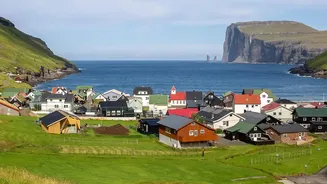
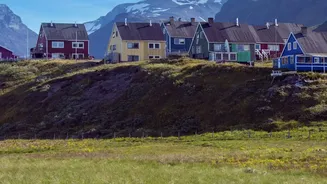
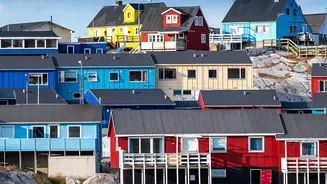
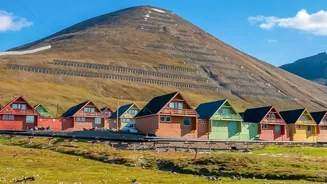
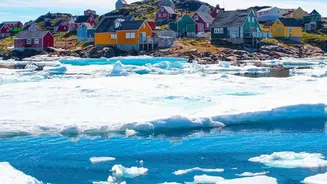
In South Greenland, Qaqortoq stands out with its vibrant, colourful houses scattered across rolling green hills. It’s a hub for history buffs and art lovers alike. The town is known for its open-air art project, 'Stone and Man,' which features over 40 sculptures carved into the natural rock faces by various artists. Beyond the town, explorers can venture to the Hvalsey Church Ruin, the best-preserved Norse ruin in Greenland and a UNESCO World Heritage site. The region's milder climate makes it ideal for hiking, kayaking in the extensive fjord network, and even soaking in natural hot springs on the island of Uunartoq while icebergs float by.