

From Stigma to Style Statement
Not long ago, second-hand clothing in India was associated with necessity, not choice. It was often seen as hand-me-downs within families or something for those facing financial hardship. Today, that perception is being completely dismantled, especially
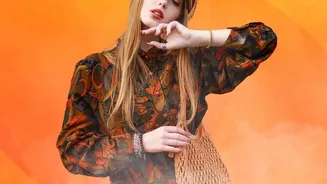
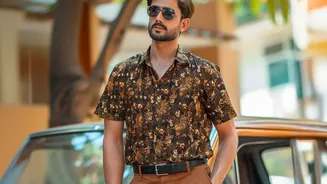
by Gen Z and millennials in cities like Mumbai, Delhi, and Bengaluru. Thrifting has been rebranded as a conscious choice. It's no longer about wearing 'used' clothes but about curating a unique wardrobe and making an environmental statement. This shift is driven by a desire for individuality in a world of mass-produced garments and a growing awareness of the fashion industry's environmental toll. Influencers and celebrities openly celebrating their thrift finds have also played a huge role in making pre-loved fashion aspirational.
The Instagram Thrift Store Boom
The heart of India's modern thrift movement beats on social media, particularly Instagram. The platform has become a sprawling digital marketplace, hosting thousands of independent thrift stores run by young, enterprising individuals. These online curators treat their stores like boutique businesses, creating visually appealing feeds, styling outfits, and building loyal communities. The pandemic accelerated this trend, as increased screen time and the closure of physical stores pushed both shoppers and sellers online. This digital-first approach has made thrifting accessible nationwide, moving it beyond the famous flea markets of major cities. Many stores operate on a 'drop' model, releasing a collection at a specific time, creating a sense of excitement and urgency as shoppers compete to snag one-of-a-kind pieces within minutes.
Why Thrifting Resonates So Deeply
The appeal of thrifting goes far beyond just saving money. For many young Indians, it's a multi-layered decision. A primary driver is the quest for uniqueness; thrift stores are treasure troves of rare items that promise a personal style that fast fashion cannot offer. Sustainability is another powerful motivator. With the fashion industry being a major global polluter, choosing second-hand is a direct way to participate in the circular economy, extend a garment's life, and reduce waste. The fashion industry is responsible for a significant percentage of global carbon emissions and wastewater, making thrifting a statement against the 'wear once and throw away' culture. Affordability remains a key factor, especially for students and young professionals who want to experiment with trends without breaking the bank.
What's Trending in the Thrift Haul?
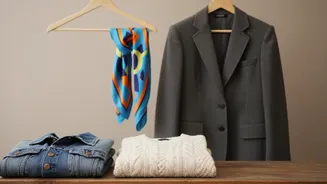
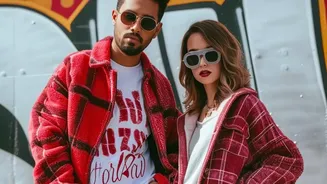
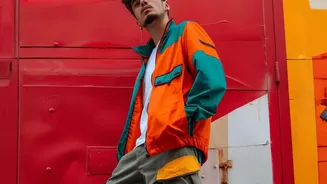
So, what are these young treasure hunters looking for? Nostalgia is a major trend, with Y2K and 90s fashion making a huge comeback. Popular finds include oversized denim jackets, baggy jeans, colourful windbreakers, and graphic tees. The Y2K aesthetic is particularly dominant, with shoppers seeking out low-rise jeans, cargo pants, crop tops, and velour tracksuits. Beyond specific eras, there's a high demand for unique streetwear, vintage pieces with character, and branded apparel at a fraction of its original cost. The goal is to mix these pre-loved items with modern pieces to create a look that is both contemporary and deeply personal.
The Challenges of the Hunt
Despite its growing popularity, the Indian thrift market is not without its challenges. The industry is largely fragmented and unregulated. For buyers, this can mean dealing with inconsistent sizing, the need to repair minor defects, and a lack of standardised quality checks. Since most sales are final, there is often no option for returns or exchanges. Furthermore, there is a risk of 'thrift-washing,' where some sellers might pass off cheap, new inventory as curated vintage finds. For sellers, the business can be a gamble, with inconsistent supply chains and a heavy reliance on social media algorithms for visibility and sales.