




That incredible, citrus-meets-floral aroma of a great Thai curry? A big part of that comes from lemongrass. This humble-looking stalk is a powerhouse of flavour, ready to transform your vegetable dishes from simple to spectacular. Let's start.
Understanding Lemongrass
Lemongrass
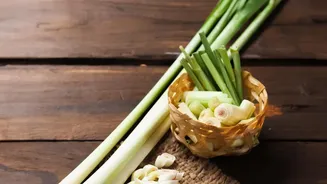
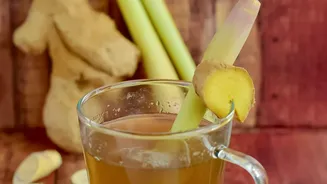
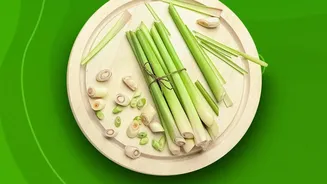
is a stalky plant that is central to Southeast Asian cuisine, particularly in Thai and Vietnamese dishes. Its flavour isn't a straightforward lemon taste; it's a more complex and aromatic blend of citrus, mint, and ginger. This unique profile allows it to cut through rich flavours and add a bright, clean finish to everything it touches. When you cook with it, it releases fragrant oils that infuse your entire dish with a fresh, zesty character that is hard to replicate. Although it looks a bit like a woody spring onion, its uses are far more diverse, lending itself to everything from soups and curries to marinades and teas.
Choosing and Prepping Your Stalks
When buying fresh lemongrass, look for firm, heavy stalks that are pale yellow towards the base with green tops. They shouldn't feel light or dry, and a quick scratch with your fingernail should release a strong citrusy scent. To prepare it for cooking, you'll want to focus on the bottom four to six inches. First, trim off the very bottom root end and peel away the tough, dry outer layers until you reach the paler, more tender core. What you do next depends on the recipe. For soups and curries where it will be removed later, simply smash the stalk with the back of a knife or a rolling pin to bruise it and release its oils. For stir-fries or marinades where it will be eaten, you'll need to mince it very finely. Slice the tender stalk into thin rings and then chop repeatedly until you have a fine, almost paste-like consistency.
Fresh, Dried, or Paste?
Fresh lemongrass will always give you the brightest, most vibrant flavour. It has a zesty, minty quality that is perfect for stir-fries and salads. Dried lemongrass, which looks like small, woody chips, has a more subdued, woody flavour. It works best in dishes with a lot of liquid, like soups and broths, where it has time to rehydrate and infuse the liquid. Always remember to remove the pieces before serving. Lemongrass paste can be a convenient shortcut, but be mindful of added ingredients like sugar, oil, or preservatives that can alter the taste. While fresh is ideal, if you can't find it, paste is a better substitute than dried for most dishes that aren't slow-simmered.
Perfect Vegetable Pairings
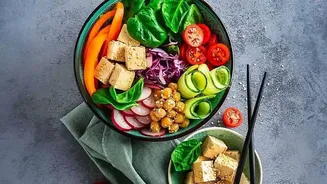
Lemongrass has a special affinity for a wide range of vegetables. Its bright notes complement earthy mushrooms and sweet carrots beautifully. It also stands up well to robust vegetables like broccoli, bell peppers of all colours, and eggplant. For something a little different, try it with tender bok choy, crunchy green beans, or even in a fragrant broth with tomatoes. The key is balance; the citrusy notes of the lemongrass cut through the richness or earthiness of the vegetables, creating a well-rounded and exciting flavour profile. Herbs that share its sunny disposition, like basil and cilantro, are also excellent partners.
Idea 1: Aromatic Vegetable Stir Fry
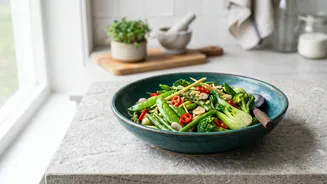
A stir fry is one of the easiest ways to start cooking with lemongrass. Begin by heating a little oil in a wok or large pan and sautéing finely minced lemongrass with garlic and ginger for a minute until fragrant. Then add your heartier vegetables like carrots bell peppers and broccoli stir frying for a few minutes until they begin to soften. Follow with quicker cooking vegetables like mushrooms zucchini or snap peas. For a simple sauce combine soy sauce (or tamari) a touch of maple syrup or brown sugar and a squeeze of lime juice. Pour the sauce over the vegetables toss everything together until well coated and heated through and serve immediately over rice.
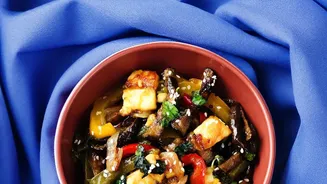
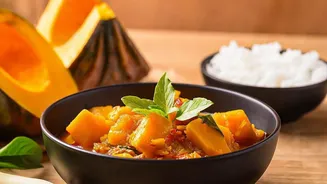
Lemongrass is a cornerstone of many coconut curries. To create a simple vegetable curry start by gently frying your aromatics—bruised lemongrass stalks sliced scallions and grated ginger—in a large skillet. Pour in a can of full fat coconut milk and a cup of vegetable broth and bring the mixture to a simmer. Now add your vegetables. Denser veggies like carrots and eggplant go in first followed by mushrooms or tofu a few minutes later. Let everything simmer gently covered for about 20 - 25 minutes until the vegetables are tender. Before serving be sure to remove the tough lemongrass stalks. Finish with a handful of fresh cilantro for a burst of freshness.
You can harness the power of lemongrass without even turning on the stove. Create a vibrant marinade for tofu or vegetables by blending finely minced lemongrass with garlic ginger soy sauce lime juice and a little honey or maple syrup. This mixture is perfect for marinating firm tofu mushrooms or bell peppers before grilling or baking. You can also turn this into a dressing for a noodle salad by adding a bit more oil and a splash of water. It provides an instant hit of Southeast Asian flavour to even the simplest of meals.